
Spindle (textiles)
A spindle is a simple hand tool for twisting fibers into yarn. This article explains its parts, varieties, historical role, how it is used, and why it remains important to hand spinners today.
The spindle is one of the oldest tools used to make yarn. Typically a slender stick with a weight attached, a spindle stores rotational energy so that natural fibres can be drawn out and twisted into a continuous strand. In common terminology the narrow rod may be called a spike or a shaft and is sometimes simply referred to as the shaft of the implement. Many spindles have a small hook or notch at the end to anchor the emerging yarn while it is being spun.
Image gallery
10 Images


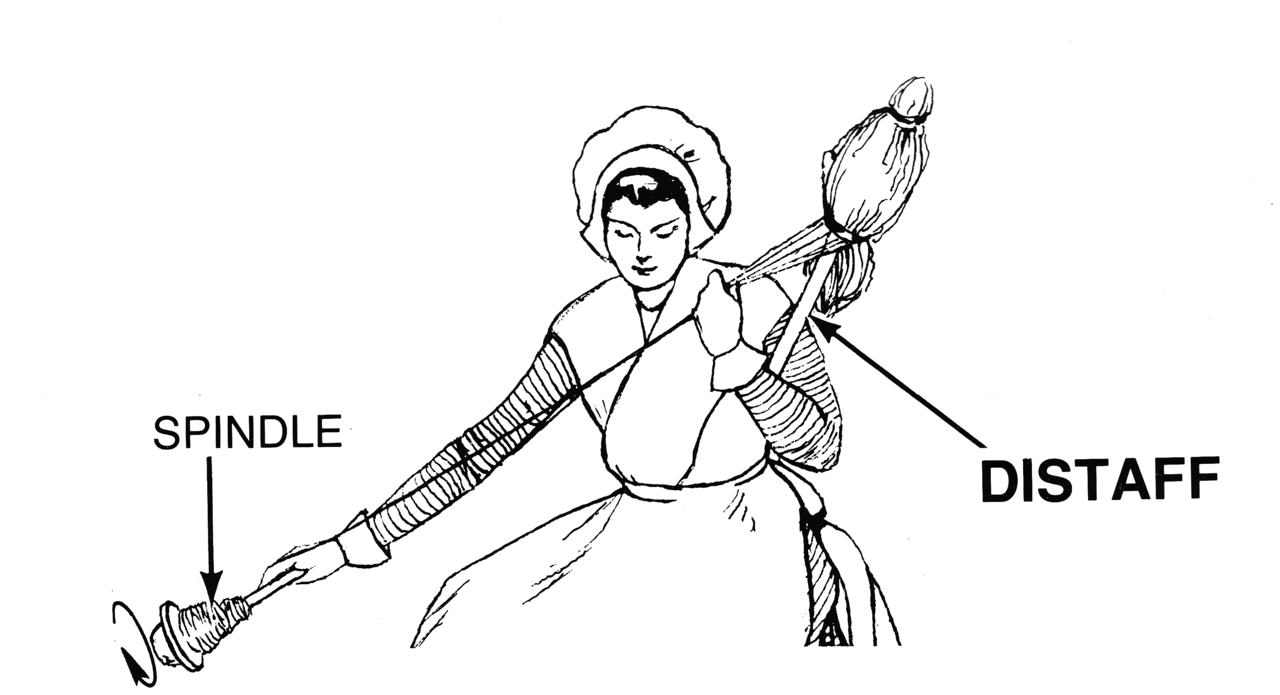


Parts and basic construction
A typical spindle has two main elements: the rod and the weight. The weight, often a circular disc called a whorl, provides the inertia necessary for smooth spinning; this component is commonly described as the weight. Spindles are made from a variety of materials — wood, bone, ceramic, metal, or stone — and the whorl may be carved, painted, or plain. Proportions vary widely: short, heavy spindles turn more slowly and suit thicker yarns, while long, light spindles rotate faster and are better for finer yarns.
How a spindle is used
Spindles are used to convert raw fibres such as wool and other fibres into a coherent thread. The spinner first attaches a leader to the hook or notch, then sets the spindle spinning to introduce twist. With one hand the spinner drafts fibres from a prepared supply and with the other hand controls the spindle so twist travels into the drafted fibres. Periodically the spun yarn is wound onto the spindle shaft and the process repeats. Plying—twisting two or more single strands together—is done by spinning singles in opposing directions or using the spindle to re-twist wound singles together.
Types and distinctions
- Drop (suspended) spindles: hung and allowed to spin freely; common worldwide and easy to carry.
- Supported spindles: rest on a surface while turning; used for very fine or fragile fibres in some traditions.
- Top-whorl vs. bottom-whorl: describes whether the weight sits above or below the shaft; this affects balance and handling.
History and cultural significance
Archaeological finds and ancient art show spindles were widespread in prehistoric and historic societies. As a simple mechanical device, the spindle predates more complex spinning machines and played a central role in textile production for millennia. Its invention and refinement are often cited among early human technologies because the spindle enabled efficient conversion of raw fibres into wearable cloth and other textile goods, shaping economies and daily life across cultures. Scholars point to its long-standing presence in domestic contexts and ritual symbolism in many regions.
Modern practice and importance
Although spinning wheels and industrial machinery largely replaced hand spindles for mass production, spindles remain popular with hobbyists, textile artists, and those studying traditional crafts. They are valued for portability, low cost, and the direct tactile control they provide over yarn character. Today’s hand spinners explore a wide range of fibres and techniques, and artisans continue to make and adapt spindle designs to achieve specific yarn textures or to preserve cultural traditions. For further general context on tools and textile technologies see related resources.
For basic instructions and demonstrations a spinner might consult instructional guides or community resources; introductory references often show how to choose a spindle, prepare fibre, and master drafting and plying. Practical advice typically emphasizes matching spindle size and whorl placement to the desired yarn thickness and learning to conserve momentum through consistent drafting and adjustments to spinning technique.
Related articles
Author
AlegsaOnline.com Spindle (textiles) Leandro Alegsa
URL: https://en.alegsaonline.com/art/92685