
Sandal (footwear): design, history, uses and varieties
A sandal is an open shoe with a sole held by straps or thongs. This article explains its parts, materials, historical roots, practical benefits and health trade-offs, and common styles and cultural roles.
Overview
A sandal is a type of open footwear whose sole is secured to the foot by straps, thongs, or other fastenings that leave much of the foot exposed. Sandals are distinct from fully enclosed shoes because they reveal parts of the foot, especially the toes, and typically use less material. They are worn for comfort in warm weather, for economy, for fashion, and sometimes for medical reasons.
Image gallery
10 Images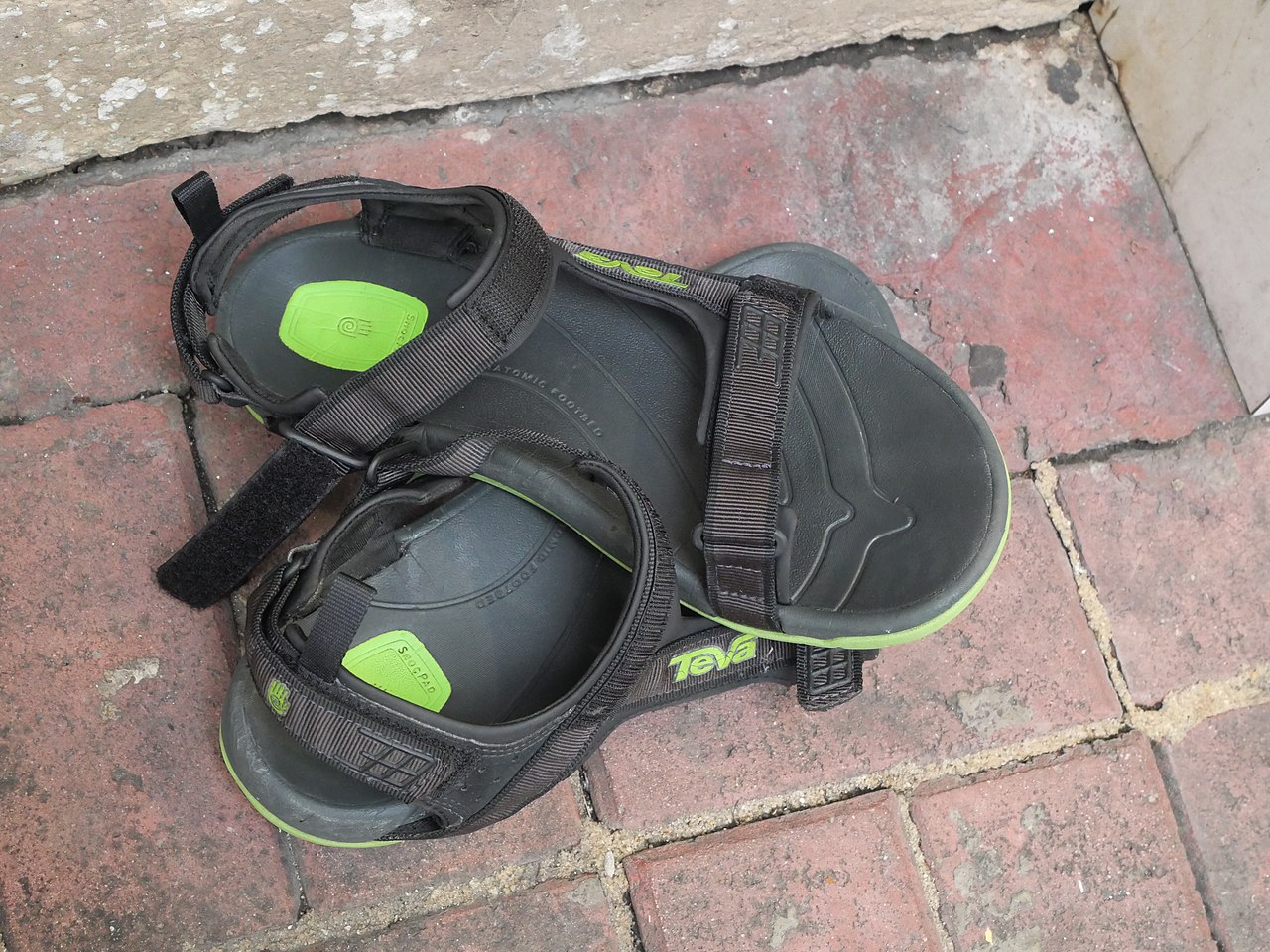


Typical parts and materials
Although styles vary widely, most sandals share several basic components and common materials:
- Sole: the bottom part that contacts the ground; can be flat, contoured, cushioned, or raised.
- Straps/thongs: secure the foot over the instep, around the ankle, or between the toes (toe-post or "thong").
- Fastenings: buckles, Velcro, knots, or elastic panels allow adjustment and fit.
- Materials: leather, rubber, cork, woven plant fibers, foam, and modern synthetic fabrics are common.
Types and variations
Designs range from very simple to elaborate. Common categories include:
- Flip-flops or thongs with a toe post and a Y-shaped strap.
- Slides with a single strap across the forefoot.
- Gladiator and strappy sandals with multiple straps up the foot and sometimes the ankle.
- Sport sandals featuring durable soles and secure straps for outdoor activities.
- Orthopedic and contoured sandals designed for arch support and therapeutic use.
- Woven or handcrafted varieties such as huaraches and other regionally specific styles.
History and cultural significance
Sandals are among the oldest known forms of footwear and appear in archaeological records from ancient civilizations. Their simple construction made them practical for warm climates and for societies where materials or resources for enclosed shoes were less available. Over time, sandals have been adapted for ceremonial, practical, and fashion uses and remain prominent in many cultures for both everyday wear and special occasions.
Practical benefits and health considerations
Sandals keep feet cooler and drier than many closed shoes, which can reduce the likelihood of conditions that thrive in moist environments. For readers seeking more on general footwear, see footwear overview. Medical guidance sometimes recommends open footwear as part of the treatment or prevention of superficial fungal infections; see athlete's foot information. However, sandals offer less protection against impact, sharp objects, and cold, and many styles provide limited arch and heel support, which can aggravate foot pain if worn long-term. For comparison with fully enclosed designs, refer to enclosed shoes.
Uses, fashion and selection tips
People choose sandals for leisure, travel, beachwear, and seasonal everyday use. Fashion cycles influence heel height, strap details, and ornamentation. When selecting sandals, consider sole cushioning, strap placement for a secure fit, the terrain and activities intended, and whether additional support is needed for long periods of standing or walking. Proper fit and occasional replacement are important to avoid blisters, strain, or slipping hazards.
Related articles
Author
AlegsaOnline.com Sandal (footwear): design, history, uses and varieties Leandro Alegsa
URL: https://en.alegsaonline.com/art/86957