
Jute: plant fiber — properties, cultivation, uses and history
Jute is a coarse bast fiber from tropical plants, widely used for sacks, hessian (burlap), ropes and geotextiles. It is inexpensive, biodegradable and important to South Asian agriculture and industry.
Overview
Jute is the common name for a group of long, soft, shiny bast fibers obtained from the stems of certain tropical plants. Classified as a vegetable fibre, jute is valued for its tensile strength, low cost and relative ease of cultivation. Products made from jute range from coarse woven cloth often called burlap or hessian to twines and reinforced composites. Compared with finer textiles such as cotton, jute is rougher and better suited to packaging, industrial and decorative uses.
Image gallery
10 Images




Characteristics and parts
Jute is a bast fiber, which means it is extracted from the inner bark (phloem) of the plant stem rather than from seeds or leaves. It shares this category with fibers such as hemp and flax. The raw fiber is long and shiny when fresh, and after processing it becomes softer and workable. Natural jute fibers are biodegradable and have good tensile strength and moisture regain, but they are relatively coarse and less suitable than cotton for fine clothing.
Cultivation and processing
Jute grows best in warm, humid climates with abundant rainfall and is widely cultivated in South and Southeast Asia. Major growing regions include Bangladesh and India, where it has long been an important cash crop. The cultivation cycle is relatively short and requires fewer pesticides and fertilizers than some other fiber crops, contributing to its lower cost.
- Harvest: plants are cut near ground level when flowering begins.
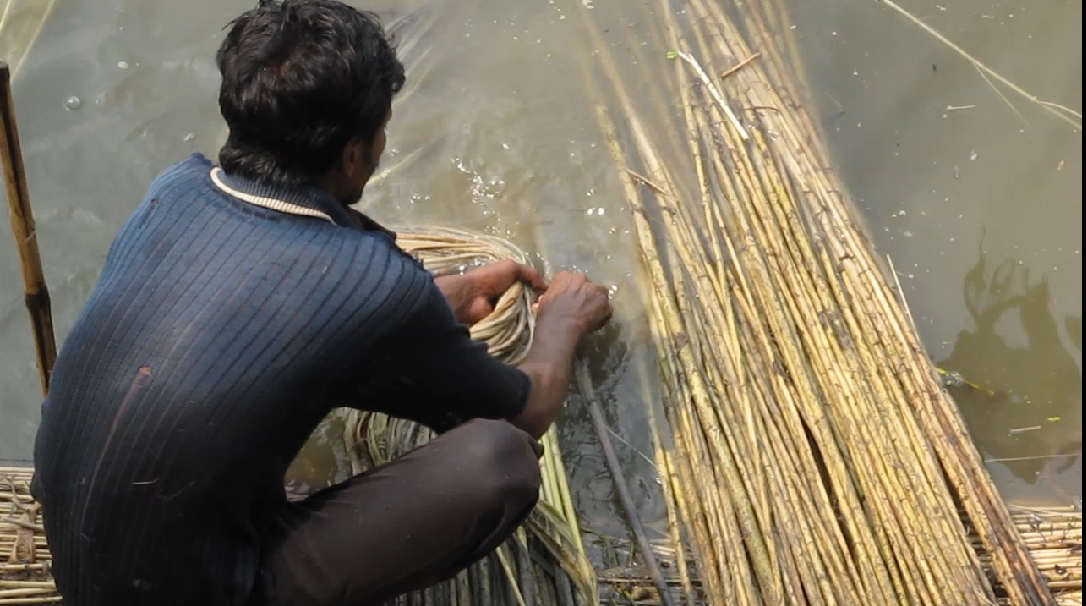
- Retting: stems are submerged in water to loosen the fibers from the woody core.
- Stripping and washing: fibers are separated, washed and dried.
- Carding and spinning: fibers are processed into yarns for weaving or twining.
History and geography
Evidence from archaeology and historical records suggests that fiber plants similar to jute have been used for millennia in parts of South Asia and adjacent regions. Archaeological finds indicate that similar fibers were present in Bronze Age contexts in what is now Iran, and jute cultivation and trade have long been established in the Bengal delta. Over the 19th and 20th centuries, jute became a major export commodity from South Asia, supporting local economies and associated industries such as spinning, weaving and sacking factories.
Uses and notable products
Jute's combination of strength, low cost and biodegradability makes it suitable for a wide variety of applications. Traditional and modern uses include packaging and sacks, ropes, carpets and rugs, interior textiles and erosion-control fabrics. Many everyday items carry regional or trade names derived from jute-based cloth, for example hessian and burlap. Other manufactured items include:
- jute bags and sacks for agricultural produce
- industrial twines and ropes used in shipping and construction
- carpets and floor coverings blended with other fibers
- light footwear components such as soles in espadrilles
- some knitted garments and home textiles, for example coarse sweaters or decorative items
Economic and environmental considerations
Jute remains important to rural economies in producing countries because of its labor-intensive value chain: cultivation, retting, fiber extraction and local processing provide employment. Environmentally, jute's biodegradability and lower agrochemical demands compare favorably with many synthetic fibers. However, limitations such as sensitivity to prolonged waterlogging during retting, susceptibility to fungal decay if stored damp, and its coarse texture restrict some uses. Modern research and industry efforts focus on improving fiber quality, diversifying applications (for example biodegradable composites and geotextiles) and optimizing processing to reduce water use and pollution.
For more details on cultivation, processing techniques and contemporary uses consult agricultural extension resources and regional industry guides: jute overview, plant fiber types, processing methods, cotton comparison, hemp, flax, burlap, Bangladesh, India, jute bags, carpets, espadrilles, sweaters.
Related articles
Author
AlegsaOnline.com Jute: plant fiber — properties, cultivation, uses and history Leandro Alegsa
URL: https://en.alegsaonline.com/art/51784