
Salt water (saline water)
Salt water, or saline water, is water that contains significant dissolved salts. This article explains composition, salinity, physical properties, ecological roles, human uses and hazards.
Salt water, commonly called saline water, refers to water that contains dissolved mineral salts, primarily sodium chloride and other ions. The term most often applies to the large bodies of the seas and oceans, but also to salty inland bodies and man‑made solutions. When discussing the chemical component broadly we use the word salt, and when focusing on the fluid we refer simply to water. Most of Earth's water is saline: the oceans hold the vast majority of the planet's liquid water, while fresh water is concentrated in glaciers, groundwater, lakes and rivers.
Image gallery
3 Images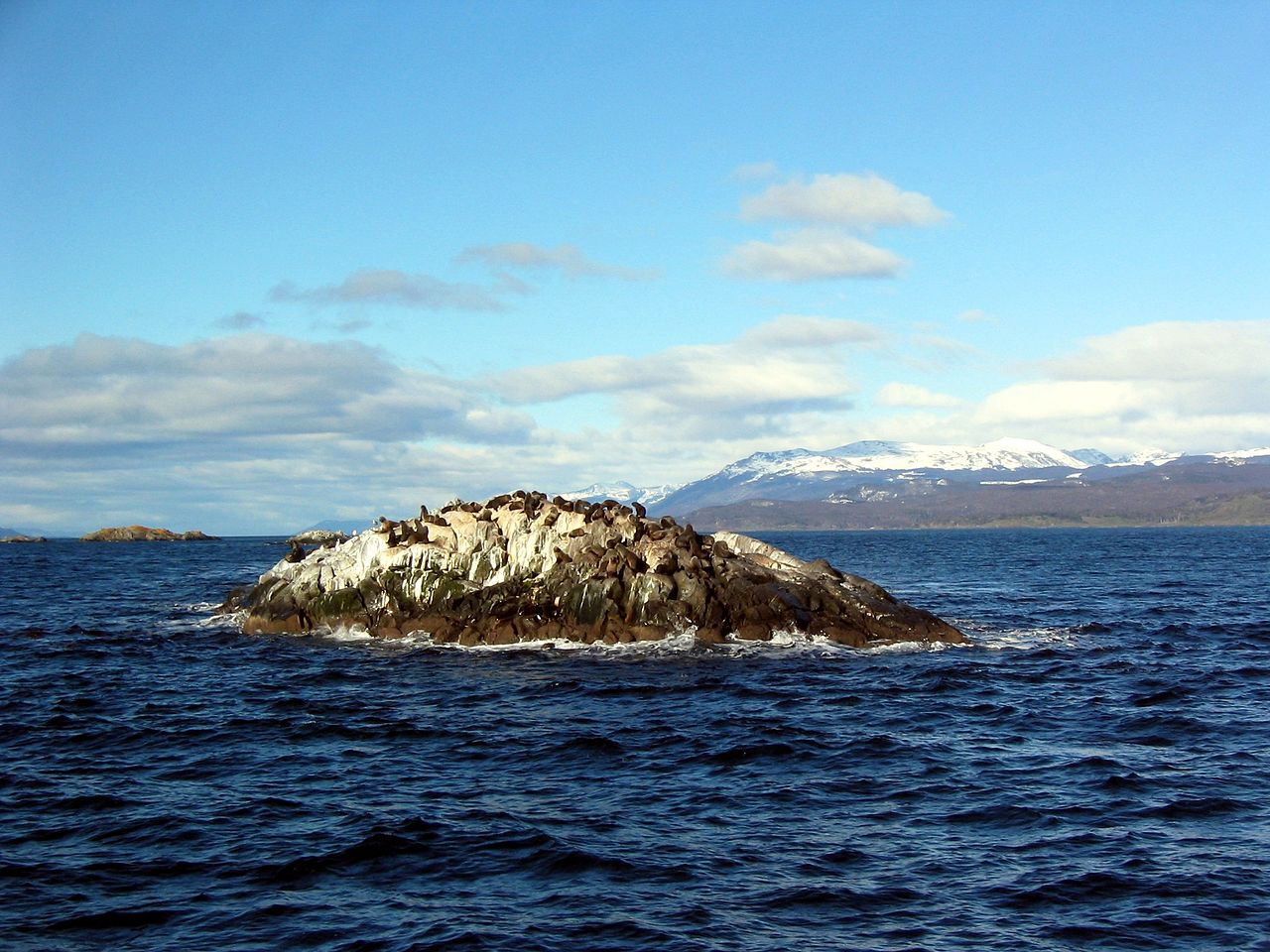

Composition and salinity
Salinity describes the concentration of dissolved salts in water and is usually expressed in parts per thousand (ppt). Typical open ocean water has a salinity near 35 ppt, meaning about 35 grams of dissolved salts per kilogram of seawater. Some inland or restricted basins can be much saltier: certain salt lakes are several times saltier than the ocean and extreme cases form salt flats once water evaporates. Solutions used for curing or industrial processes — commonly called brine — can be saltier than ordinary seawater. The scientific measurement and study of these concentrations is covered by the field of salinity.
Physical properties
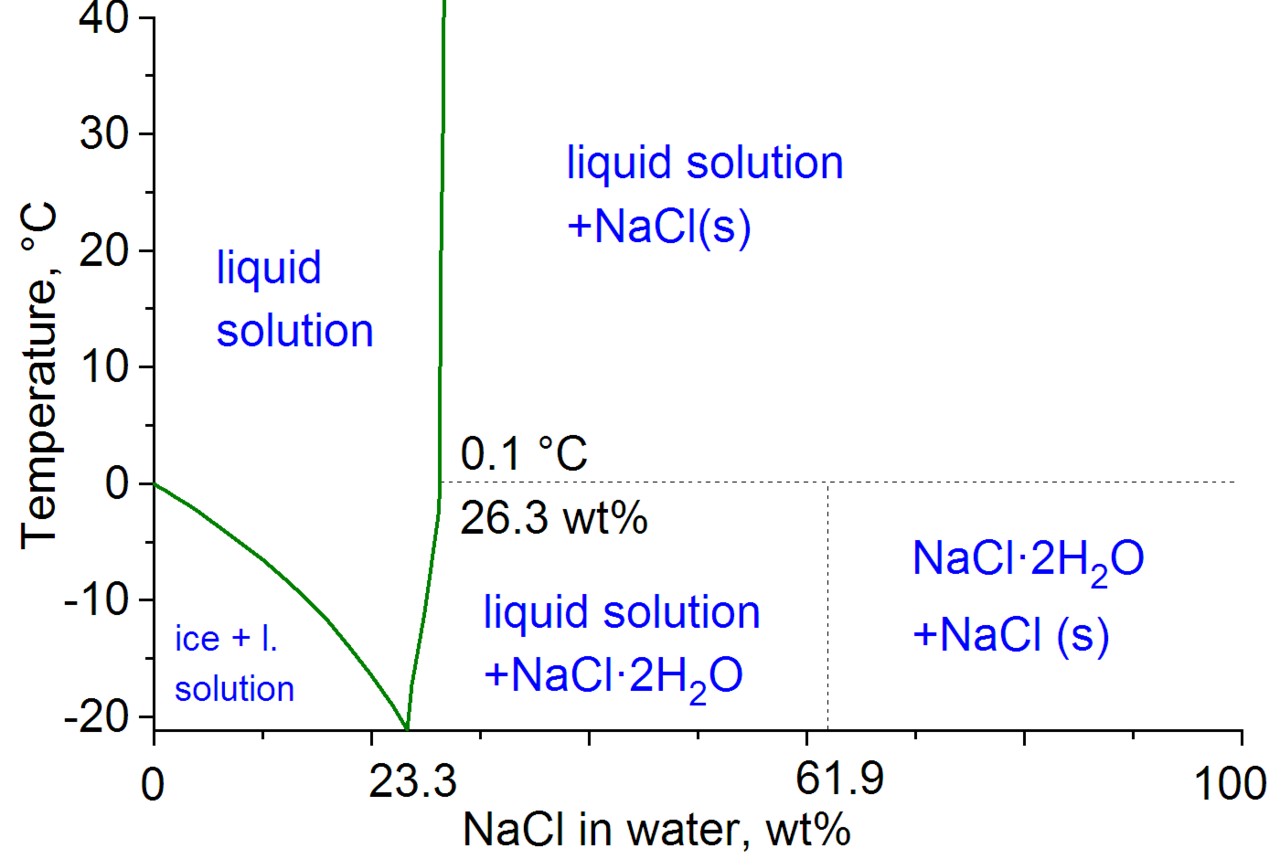
Adding dissolved salts changes water's physical behavior. Salt water is denser than fresh water; typical seawater has an average density around 1.025 g/mL compared with roughly 1.000 g/mL for pure water, and density increases with salinity and decreased temperature. Salt also lowers the freezing point of water, which affects sea ice formation and ocean circulation. When evaporation raises salinity beyond a critical point, dissolved minerals precipitate and may form mineral crusts or salt plains.
Ecological and biological importance
Salt water environments support vast and diverse ecosystems. Marine organisms are adapted to particular salinity ranges; many communities would be stressed by rapid salinity changes. Nutrient cycles, currents and temperature, together with salinity, drive global climate systems and influence weather patterns. Brackish waters — such as estuaries and some coastal lagoons — have intermediate salinity and serve as important nurseries for numerous species and as transition zones between freshwater and marine habitats.
Uses, hazards and distinctions
Humans exploit saline waters in multiple ways. Traditional and modern uses include sea salt production by evaporation, fishing and aquaculture, shipping and recreation, and industrial extraction of minerals. In food and preservation contexts, salt or concentrated brine is used to cure and preserve foods (link to food uses). Desalination technologies convert salt water to freshwater for drinking and irrigation, though they require energy and produce concentrated brine by‑products.
- Brackish water (brackish water) has lower salinity than seawater but higher than freshwater and is common where rivers meet the sea.
- Hypersaline basins and salt lakes can be many times saltier than the ocean; when salts precipitate they may form salt plains via precipitation.
- Physical properties such as density affect buoyancy and circulation, with practical consequences for ships and marine engineering.
Drinking seawater is hazardous because the high salt content places an osmotic burden on the body; consuming only seawater increases dehydration and can be life‑threatening in survival situations. Historical and experimental records highlight this risk: people exposed to prolonged saltwater intake fare significantly worse than those who avoid it.
History and notable facts
Salt has been a valuable commodity throughout human history. Methods for harvesting sea salt — such as evaporation in salt pans — have existed for millennia and supported trade networks, local economies and cultural practices. Salt extraction and salt marsh management remain important in many coastal regions. Modern concerns focus on sustainable management of marine resources, impacts of desalination brine discharge, and conserving ecosystems that depend on natural salinity regimes.
For further reading on specific topics related to saline water and its measurement see: salt, salinity, and applications to food preservation and brine.
Related articles
Author
AlegsaOnline.com Salt water (saline water) Leandro Alegsa
URL: https://en.alegsaonline.com/art/86553
Sources
- doi.org : 10.1016/0300-9629(87)90275-1
- pubmed.ncbi.nlm.nih.gov : 2881655