
Rhododendron: overview, characteristics, history and uses
Rhododendron is a diverse genus of woody flowering plants in the heath family, prized for large showy blooms and widely grown as ornamentals; includes azaleas and many Asian native species.
Overview
Rhododendron is a large genus of woody flowering plants in the heath family, often treated as comprising more than 1,000 species. Members of the group range from compact shrubs to sizable trees and are celebrated for their usually vivid inflorescences. Most species belong to the Ericaceae family and occur naturally across temperate and subtropical regions.

Image gallery
10 Images


Characteristics
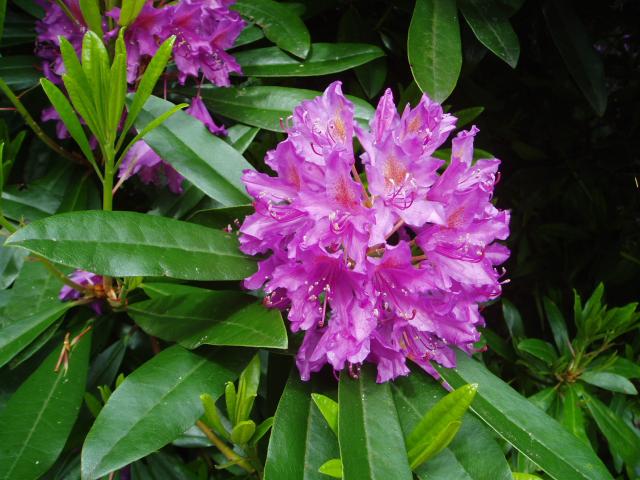
Rhododendrons show considerable variety, but share some common traits. Some are evergreen while others are deciduous, and leaf size, shape and texture vary by species. Flowers are typically clustered and often conspicuous, which is why they are widely valued for ornamental planting; gardeners note the genus for its showy flowers. A familiar subgroup in commerce and gardens is the azaleas, which are rhododendrons with particular growth habits and flower forms.
History and distribution
The greatest diversity of wild rhododendrons is found in Asia, particularly in montane regions of the Himalaya, China and Southeast Asia, though species also occur in Europe, North America and other parts of the world. European and North American horticulture adopted many Asian species following plant exploration in the 17th–19th centuries, and extensive hybridization produced the garden varieties now common in parks and private gardens.

Cultivation and uses
Rhododendrons are primarily cultivated as ornamentals. They are used in mixed borders, woodland gardens, containers and as specimen plants. Care requirements commonly include acidic, well-drained soil and protection from hot sun and severe drought. Many home gardeners prize them for spring colour; large public collections and botanical gardens display hybrid groups and wild species for conservation and study.
Distinctions and notable facts
- Azaleas: A horticultural name for certain rhododendrons that tend to be smaller and often deciduous; historically treated as a separate group.
- Cultural role: The rhododendron is the national flower of Nepal, where some species are part of local tradition.
- Invasiveness: A few species, notably Rhododendron ponticum, have become an invasive species in regions such as North America and parts of Europe, where they can outcompete native vegetation.
- Toxicity: Many rhododendrons contain compounds that are toxic if eaten, so they are not used for food; historical mentions of "mad honey" relate to toxins in nectar from some related plants.

For more detailed taxonomic information, cultivation advice, or conservation status consult specialist texts and botanical resources. Hybridization and selective breeding continue to expand the range of colours, sizes and hardiness available to homeowners and landscapers.

Related articles
Author
AlegsaOnline.com Rhododendron: overview, characteristics, history and uses Leandro Alegsa
URL: https://en.alegsaonline.com/art/82535