
Rhynia — Early Devonian fossil genus of simple vascular plants
Rhynia is an Early Devonian fossil plant genus represented by R. gwynne-vaughanii. Its well‑preserved remains reveal simple leafless axes, terminal sporangia and early vascular tissue important to plant evolution.
Overview
Rhynia is a genus of small land plants known from exceptionally preserved fossil deposits of the Early Devonian period. Only a single species has been described, R. gwynne-vaughanii, and its remains are best known from the Rhynie chert in Scotland. The fossils represent the sporophyte generation and have been central to interpretations of how plants first established themselves on land.
Image gallery
2 Images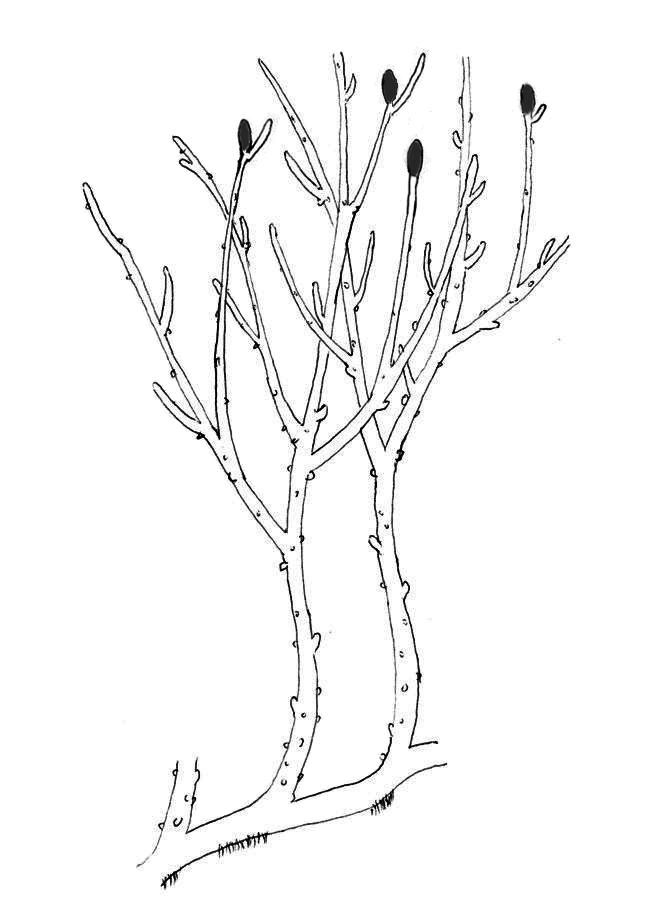

Anatomy and biology
Rhynia consists of unornamented, leafless stems (axes) that branched dichotomously and bore sporangia at their tips. Internal preservation shows a central strand of conducting cells, indicating it belonged to early vascular plants. These anatomical features include tubular, water‑conducting cells similar to primitive tracheids and a simple tissue organization lacking true leaves or roots.
Fossil record and preservation
The plant is famous for its preservation in silica‑rich chert, which permineralized whole tissues at cellular resolution. This mode of fossilization allows scientists to study cell types, spore structure and reproductive organs in detail. Because of this exceptional preservation, Rhynia provides rare direct evidence of early terrestrial plant anatomy and life history.
Significance and distinctions
Rhynia is often contrasted with living non‑vascular plants such as bryophytes. While superficially simple, Rhynia shows a greater level of internal complexity than mosses or liverworts: it possessed a conducting system and an independent sporophyte capable of sustained growth. These traits place it among the early steps in the evolution of true vascular plants.
Key characteristics
- Leafless, dichotomously branching aerial axes
- Terminal sporangia that released spores
- Central conducting strand interpreted as primitive vascular tissue
- Exceptional cellular preservation in chert allowing detailed study
Rhynia remains a fundamental reference in paleobotany and plant evolution studies. For introductory summaries and more technical treatments, see general overviews and specialist papers on Early Devonian flora and the Rhynie chert (genus overview, Devonian context, fossil techniques).
Related articles
Author
AlegsaOnline.com Rhynia — Early Devonian fossil genus of simple vascular plants Leandro Alegsa
URL: https://en.alegsaonline.com/art/82553
Sources
- doi.org : 10.1016/0034-6667(80)90057-3