
Rooibos (Aspalathus linearis): South African red bush tea
Rooibos is a caffeine-free herbal infusion from Aspalathus linearis, a leguminous shrub native to South Africa. Known for its reddish brew and green unoxidized form, it is used as a beverage and culinary ingredient.
Overview
Rooibos (scientific name Aspalathus linearis) is a shrub native to the Western Cape of South Africa. The common name comes from Afrikaans; see the local name via Afrikaans usage. Unlike traditional teas made from Camellia sinensis, rooibos is an herbal infusion prepared from a member of the legume family — the Fabaceae (legume family).
Image gallery
9 Images


Plant and processing
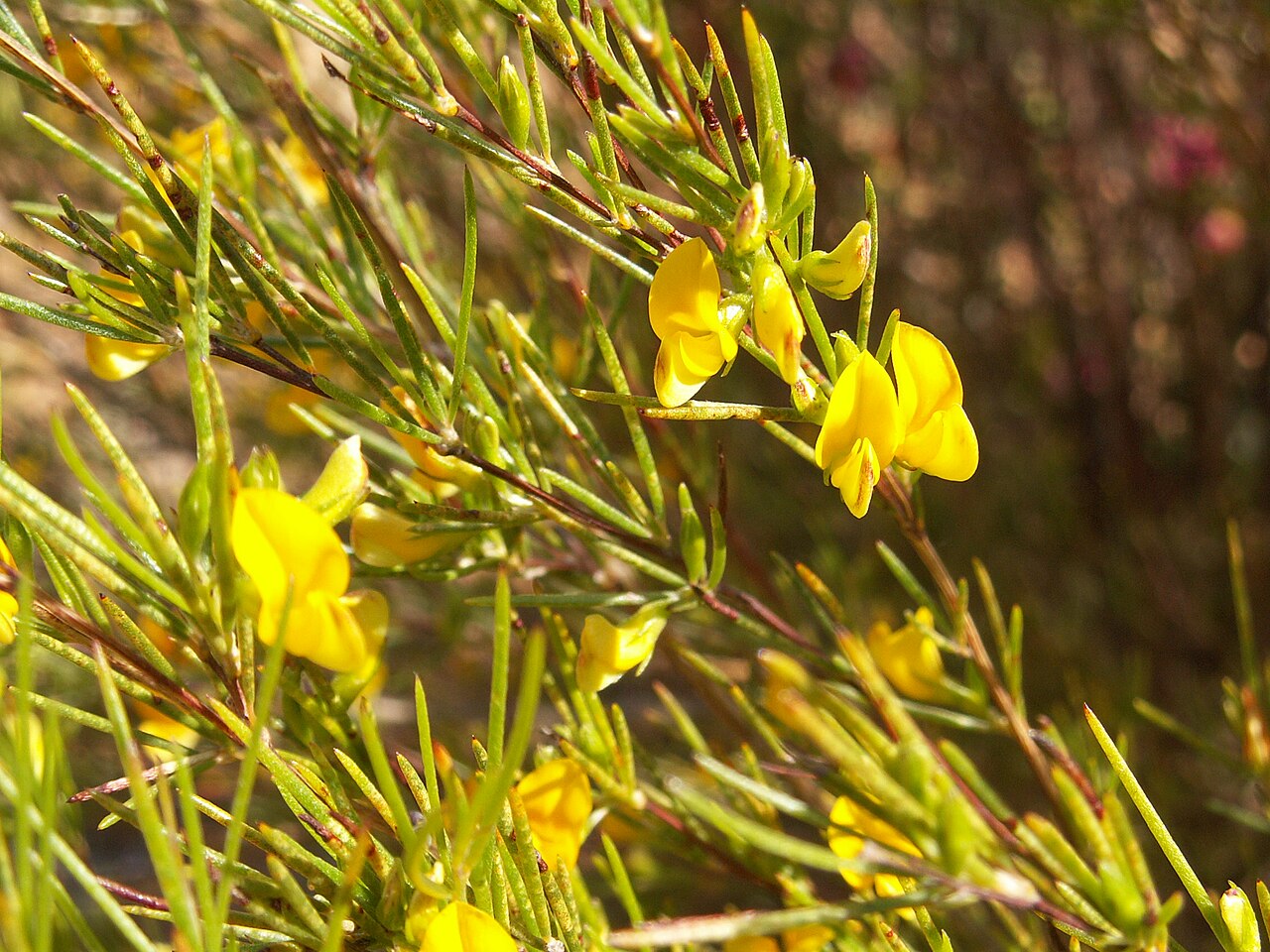
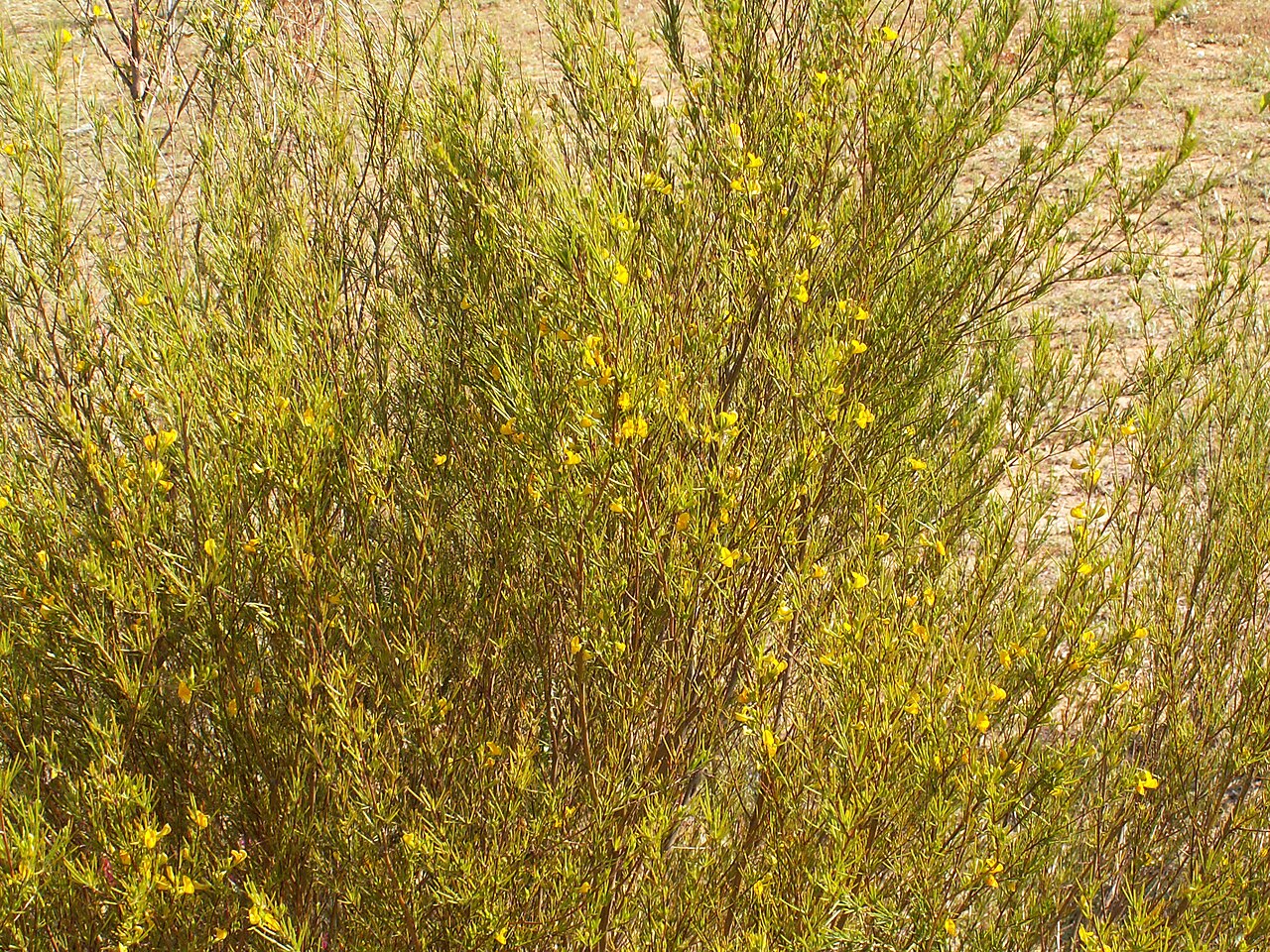
The plant has fine, needle-like leaves and yellow flowers. Harvested tips and leaves are either oxidized (often called fermented) to produce the characteristic reddish-brown liquor known as red rooibos, or they are left unoxidized to make green rooibos, which has a fresher, grassier flavor. Processing influences aroma, color and chemical composition: oxidized rooibos tastes nuttier and sweeter, while green rooibos retains more vegetal notes.
History and cultivation
Rooibos grows naturally in a limited area of South Africa and has been gathered and used in the region for generations. Commercial cultivation and processing expanded in the 20th century, turning the plant into an export commodity. Today most rooibos is produced in the Cederberg region and nearby districts where the climate, soil and rainfall patterns suit the species. International interest has grown because of its distinctive flavor and caffeine-free profile; for general background see the South African context at regional red bush.
Uses and preparation
Rooibos is consumed hot or cold as an infusion. It brews quickly and can be sweetened, served with milk, or combined with herbs and spices. It is also used in flavoring syrups, baked goods and savory dishes. Typical preparation involves steeping one teaspoon of processed rooibos per cup of water for several minutes; longer steeping deepens color and taste.
Varieties, properties and precautions
Common varieties include red (oxidized) and green (unoxidized) rooibos, and blends scented with vanilla, citrus or herbs. Rooibos is naturally caffeine-free and low in tannins compared with true tea. It contains flavonoids and distinctive compounds such as aspalathin, which are studied for their antioxidant activity. While generally regarded as safe for most people, anyone with specific health concerns or on medication should consult a healthcare professional before using large amounts as a dietary supplement.
Notable facts and distinctions
- Rooibos is a regional specialty and an important agricultural product for parts of South Africa.
- It is not a true tea but an herbal infusion derived from a leguminous shrub.
- Two main styles—oxidized (red) and unoxidized (green)—offer different flavors and culinary uses.
For recipes, cultivation details and product varieties, commercial and botanical resources provide more in-depth information on production, tasting notes and agricultural practices.
Related articles
Author
AlegsaOnline.com Rooibos (Aspalathus linearis): South African red bush tea Leandro Alegsa
URL: https://en.alegsaonline.com/art/84035
Sources
- doi.org : 10.1007/BF02858780
- jstor.org : 4254477
- doi.org : 10.1002/mnfr.200800117
- pubmed.ncbi.nlm.nih.gov : 19156714
- scienceinafrica.co.za : "Rooibos the healthy tea"