
Deciduous: Meaning, plant behavior, teeth, and ecological importance
Deciduous describes organisms that shed parts seasonally—commonly trees and shrubs losing leaves—or temporary structures such as childhood teeth. Covers causes, types, roles, and notable examples.
Overview and etymology
Deciduous is an adjective meaning "falling off" or "temporary". The term derives from a Latin root often cited in discussions of origin; see etymology. In general use it describes parts of organisms that are shed at a predictable stage or season, most familiarly the leaves of many temperate plants and the first set of human teeth.
Image gallery
10 Images


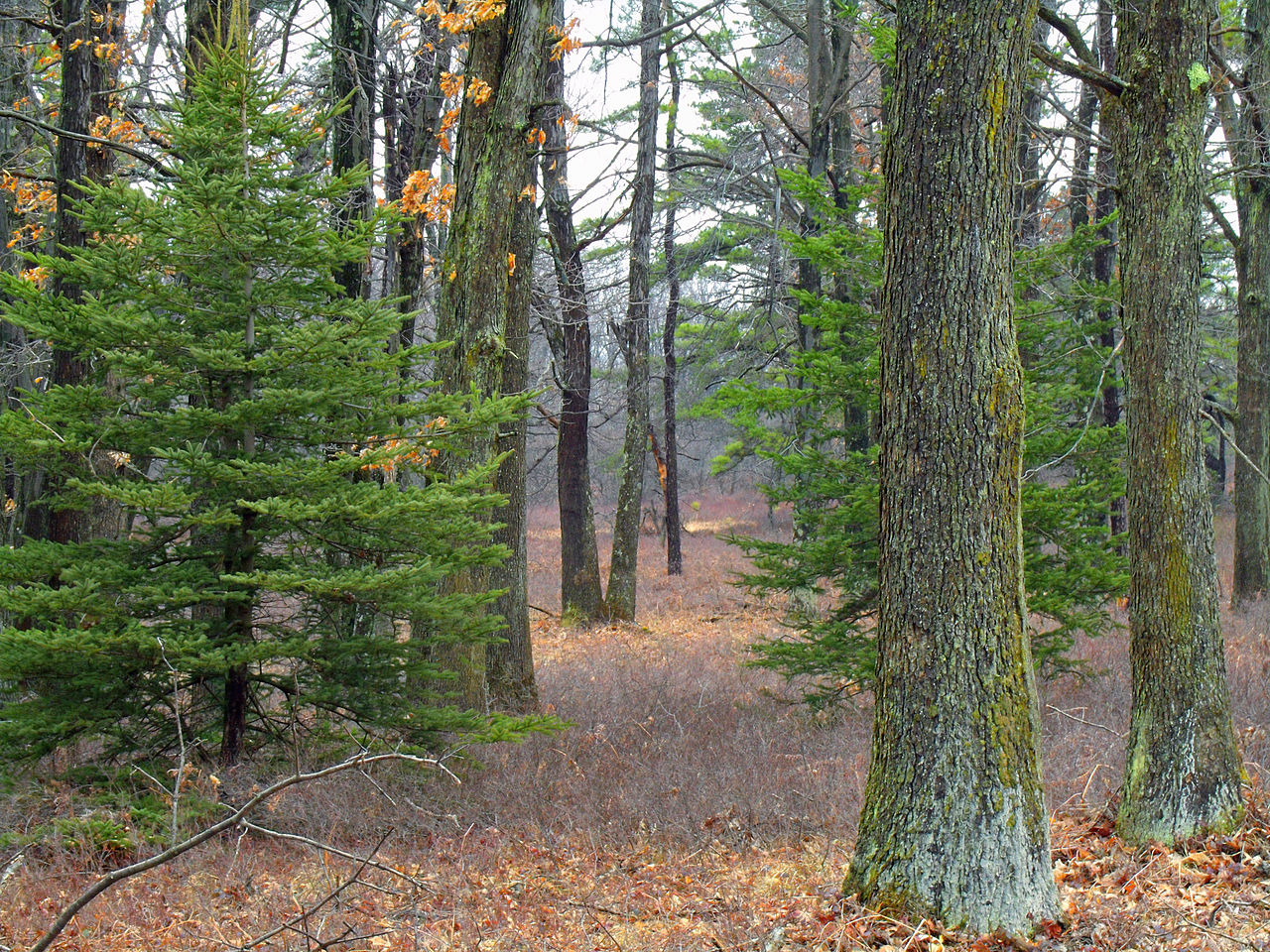


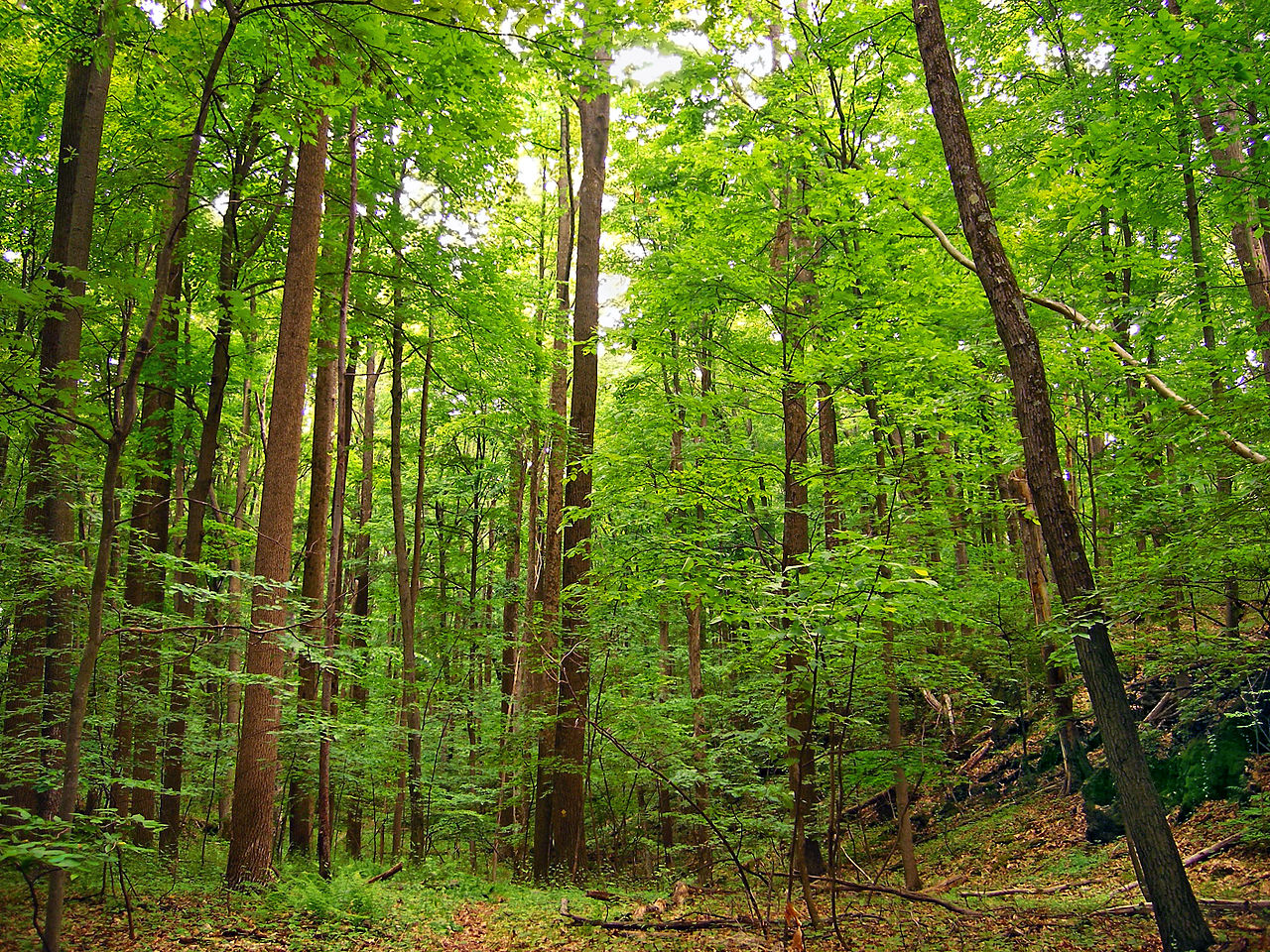


Deciduous plants: seasons and life cycle
When applied to plants, deciduousness usually refers to the shedding of leaves in a seasonal cycle. In temperate regions leaves are commonly dropped in autumn and regenerated in spring. The process is an evolved strategy to survive unfavorable conditions—cold, drought, or nutrient stress—by reducing water loss and metabolic demands while aboveground parts are inactive.
Characteristics and physiological mechanisms
Botanical and horticultural descriptions emphasize controlled separation at the leaf base, a process called abscission. In botany this involves changes in cell structure and hormone balances; horticultural practice studies timing and consequences for cultivation (horticulture). Abscission layers form where the petiole meets the stem, allowing leaves to detach cleanly while minimizing pathogen entry. Photoperiod, temperature shifts, and internal carbohydrate status all influence when a plant enters dormancy and begins leaf drop.
Varieties, contrasts and terminology
Deciduous species include many trees, shrubs and herbaceous perennials, especially in seasonal climates. Leaf loss timing varies with latitude and elevation; in extreme northern or polar climates the pattern is tied to prolonged darkness and freezing. By contrast, evergreens retain foliage year-round, replacing leaves gradually rather than in a synchronized flush. Between these extremes are semi-deciduous and semi-evergreen plants that drop some but not all foliage, or shed leaves irregularly.
- Semi-deciduous: older leaves are lost as new growth appears.
- Semi-evergreen: some leaves persist through adverse seasons; others are shed.
- Marcescence: retention of dead leaves on the plant through winter, seen in some oak species.
Ecological roles and timing of reproduction
Leaf drop alters light and nutrient cycles beneath canopies, affecting understorey vegetation and soil processes. Many deciduous species bloom when bare: flowering during a leafless phase increases visibility of flowers and reduces physical barriers to pollination. This benefits both wind- and animal-pollinated plants—lack of foliage improves wind transmission of pollen for wind-pollinated taxa and enhances the display of blooms to insects and other pollinators. The general idea that many plants flower without leaves is linked to more effective pollination and can be advantageous in seasonal habitats; not having leaves also reduces interference with pollen movement.
Human uses, examples and notable facts
Deciduous trees such as maples, birches and beeches are valued for timber, shade and autumn color. Orchards and gardens manage deciduous cycles for fruit production and pruning. The early loss and regrowth of foliage are culturally significant in regions with pronounced seasons—the spectacle of leaf color change is a major aesthetic and tourism draw. Climate variations and land use change are shifting timing of leaf emergence and drop in many areas, an active topic in ecology and conservation.
Deciduous teeth
Outside botany, "deciduous" describes the first set of mammalian teeth that erupt in infancy and later fall out to be replaced by permanent teeth. These are commonly called "baby" or "milk" teeth and play important roles in early feeding, speech development and guiding the proper alignment of the adult dentition.
For further reading on historical usage, plant physiology and management, see resources on linguistic origin, plant science and horticultural practice via referenced topics: etymology, plants, autumn, spring, botany, horticulture, trees, polar climates, evergreens, oak, flower, pollination, leaves, and insects.
Questions and answers
Q: What does the word "deciduous" mean?
A: Deciduous means "temporary" or "tending to fall off", deriving from the Latin word decidere, meaning to fall off.
Q: When referring to plants, what does it mean for them to be deciduous?
A: When referring to plants, being deciduous means that they lose their leaves in autumn and then grow them back again in spring.
Q: What is abscission?
A: Abscission is the process of a plant losing its leaves for part of the year. This usually happens in winter in temperate or polar climates.
Q: How do evergreens differ from deciduous trees?
A: Evergreens differ from deciduous trees because they keep their foliage all year round whereas deciduous trees shed their leaves during certain times of the year.
Q: What are semi-decidious plants?
A: Semi-decidious plants are those that lose old foliage as new growth begins, but not all their leaves at once like fully decidious plants do.
Q: Why do some plants flower when leafless?
A: Some plants flower when leafless because this increases the effectiveness of pollination by making it easier for wind and insects to reach the flowers.
Related articles
Author
AlegsaOnline.com Deciduous: Meaning, plant behavior, teeth, and ecological importance Leandro Alegsa
URL: https://en.alegsaonline.com/art/26159
Sources
- botany.uwc.ac.za : "Trees that lose their leaves"
- warnell.forestry.uga.edu : "Falling tree leaves: leaf abscission"
- sciencedaily.com : "Science Reference: Deciduous"
- pubs.cas.psu.edu : "Evergreen Shrubs and Trees for Pennsylvania"
- ibiblio.org : "The Illinois - North Carolina Collaborative Environment for Botanical Resources: Openkey Project. Glossary of Botanical Terms. Page 22"