
Garden
A garden is a managed outdoor area for cultivating plants—ornamental, edible, or scientific—shaped by design, maintenance, and local culture.
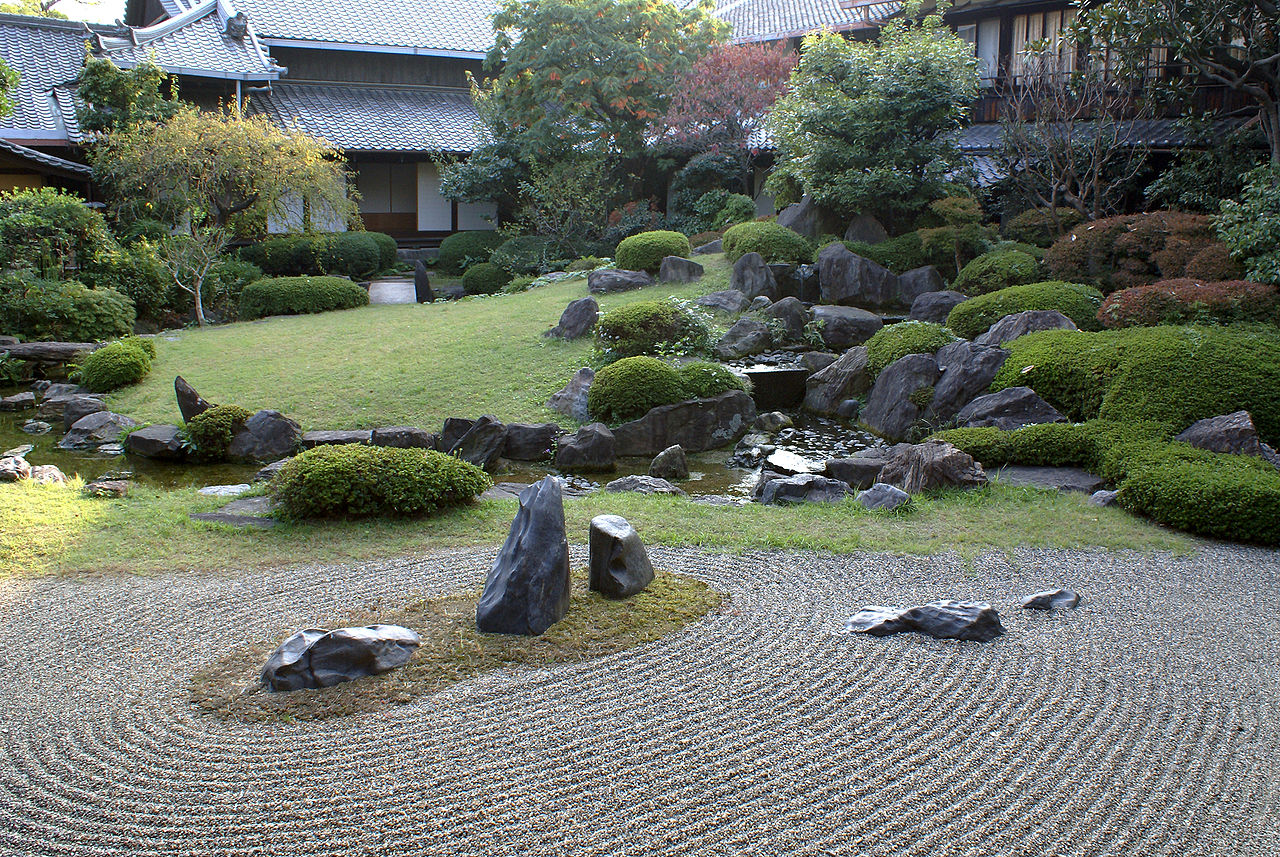
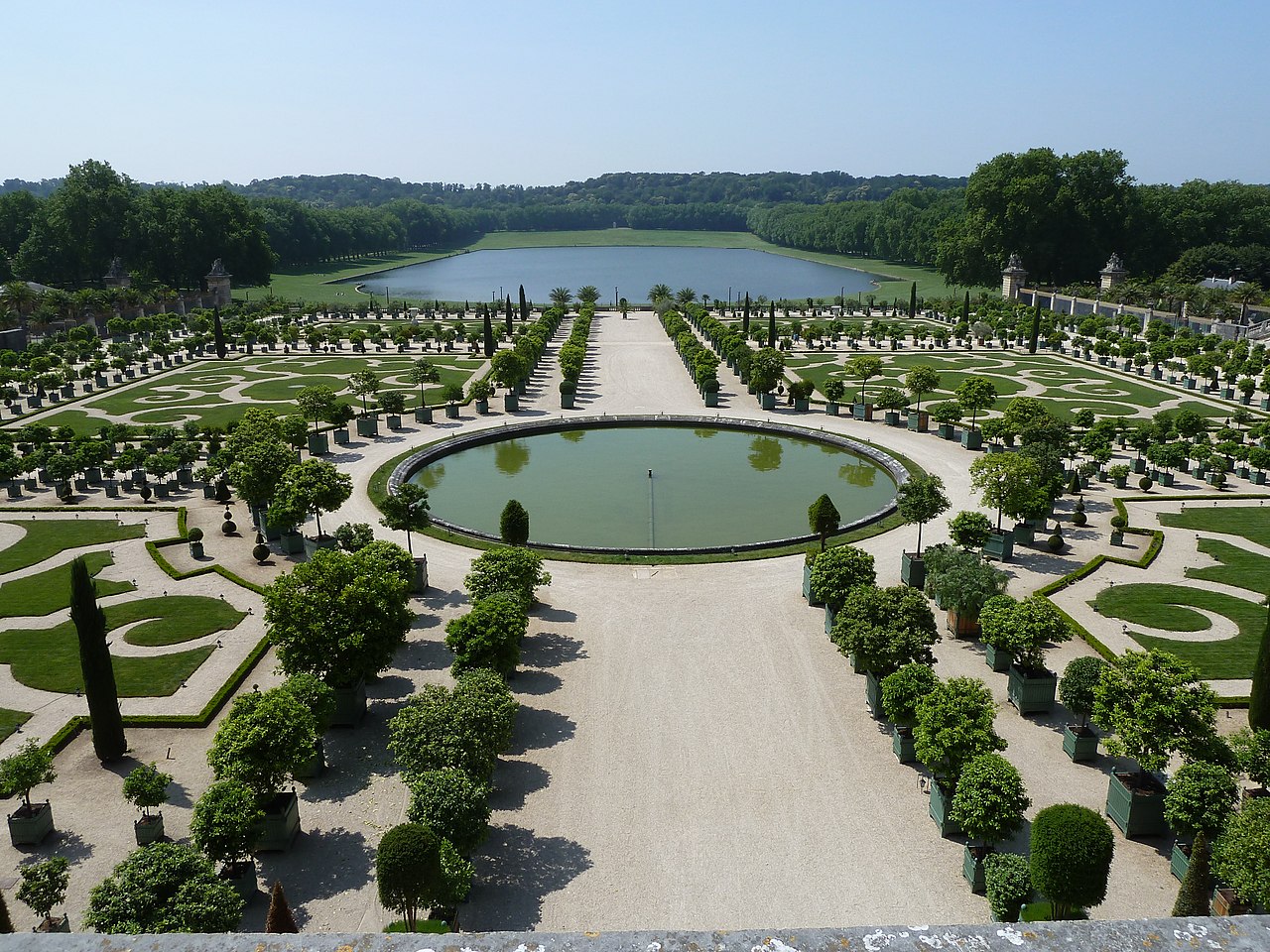
A garden is a piece of land managed to grow plants for beauty, food, study or recreation. It can range from a few containers on a balcony to large designed landscapes. A garden's purpose affects its layout, plant selection and maintenance regime, and many gardens combine several aims such as producing fruit while providing habitat for wildlife.
Image gallery
10 Images





Characteristics and components
Typical elements include beds or borders for planting, lawns, pathways, supporting structures (trellises, walls), and systems for water delivery. Plants commonly cultivated are flowering species, vegetables, herbs, trees, shrubs and groundcovers. Soil quality, sunlight and climate largely determine what will thrive in a given garden.
Types and uses
- Ornamental gardens focus on aesthetic display, texture and seasonal color.
- Kitchen or vegetable gardens supply household food and herbs.
- Botanical and demonstration gardens preserve plant diversity and educate visitors.
- Community and therapeutic gardens provide social, health and educational benefits.
Gardening—the practical care of a garden—includes watering, pruning, weeding and pest management. Hobbyists and professionals alike may follow organic or conventional approaches. For basic guidance on starting or maintaining plantings see general resources such as gardening guides.
History and cultural significance
Gardens appear in many civilizations as expressions of aesthetics, spirituality and food production. From traditional kitchen plots to the formal layouts of historic estates, gardens reflect local materials, design ideals and social practices. Public parks and modern urban gardens also respond to contemporary concerns about food security, biodiversity and well‑being.
Practical considerations and further reading
When planning a garden consider site conditions, desired maintenance level and the mix of uses. Plant selection may prioritize native species for easier care and wildlife support. For information on land use, planning and plant lists consult local authorities or online portals such as land and site resources and plant databases like flower and species guides.
Related articles
Author
AlegsaOnline.com Garden Leandro Alegsa
URL: https://en.alegsaonline.com/art/37547