
Heath (heathland): ecology, characteristics, distribution and conservation
Heath (or heathland) is an open shrubland on acidic, low-fertility soils. This article outlines its traits, global distribution, ecology, cultural use, and differences from moorland and other shrublands.
Overview
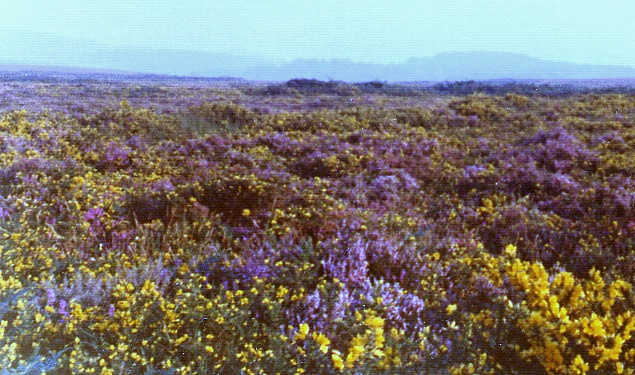
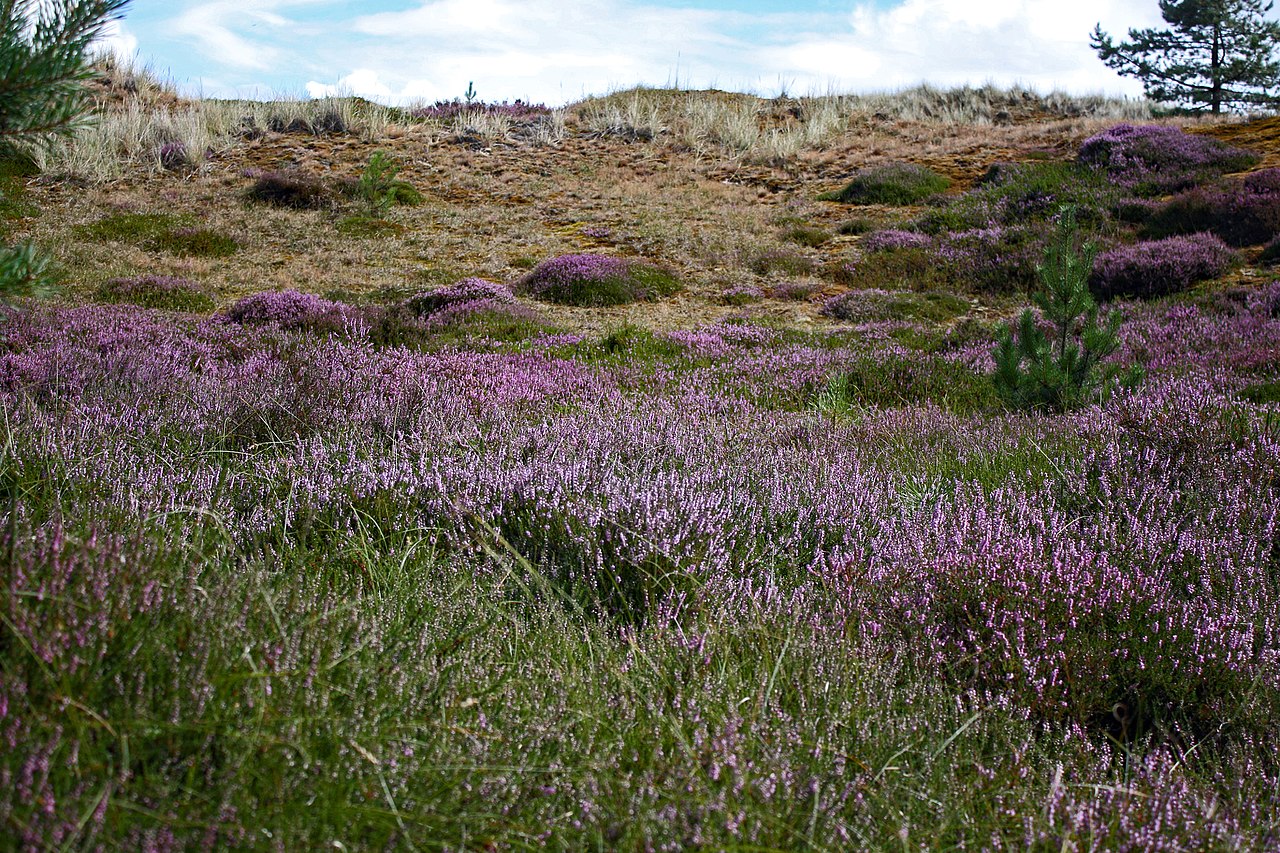
A heath, or heathland, is a type of open shrubland characterized by low-growing woody vegetation on poor, acidic soils. These habitats often support a mix of dwarf shrubs, grasses and herbaceous plants adapted to low nutrients and periodic disturbance. For a general introduction to these ecosystems see heathland overview and descriptions of their typical vegetation at plant community pages.
Image gallery
9 Images


Characteristics and structure
Heaths share a set of ecological features that distinguish them from taller forests or dense scrub. Typical characteristics include:
- Soils that are acidic and low in available nutrients, often sandy or gravelly rather than rich loams.
- Dominance by low woody shrubs (for example, species of Erica, Calluna, Ulex and other ericaceous plants), with scattered grasses and lichens.
- An open canopy with a height usually under two metres, creating a sunlit layer that supports specialized flora and fauna.
- Dependence on disturbance regimes such as fire, grazing or cutting to maintain the open, shrub-dominated structure rather than succession to woodland.
- Clear contrasts with moorland: moorlands often have a peaty topsoil and occur in cooler, wetter upland zones, whereas lowland heaths more commonly occupy free-draining acidic sands or gravels; see comparative notes moorland vs heath and regional climates climatic influences.
Global distribution and notable regions
Heathland vegetation appears on most continents except Antarctica, but its extent and composition vary by region. Notable areas include Australia, where extensive, highly diverse heath communities occur across humid and subhumid zones; the Cape region of South Africa (fynbos-type heaths); Mediterranean coastal heaths around the Mediterranean Basin; sclerophyllous and shrub-dominated zones in central Chile; island heaths such as those in New Caledonia; and chaparral-like assemblages in California and other Mediterranean-climate areas, often discussed under chaparral and related shrublands. These communities are also found in scattered patches across temperate and subtropical regions worldwide, see distribution summaries global occurrence.
Ecology, disturbance and management
Heath ecosystems are dynamic and frequently maintained by recurring disturbances. Fire plays a central role in many heathlands, stimulating regeneration of particular shrub species and preventing tree encroachment; some plants have life-history traits adapted to post-fire recovery. Traditional grazing by livestock and manual cutting have historically preserved open structure and species diversity in many regions. Modern conservation management often uses controlled burning, grazing regimes, or mechanical cutting to mimic historical disturbance and reduce invasion by trees and aggressive grasses.
Human uses, cultural history and examples
Humans have shaped and used heathlands for millennia. Many lowland heaths are cultural landscapes formed by repeated clearance, grazing and burning for grazing, fuel, and hunting. They support unique assemblages of plants and animals prized for biodiversity, and provide recreational space and aesthetic values. Examples include managed heaths used for upland game, grazing commons in Europe, and protected reserves established to conserve rare heath species.
Conservation, threats and distinguishing facts
Heaths face threats from agricultural intensification, afforestation, urban expansion, nutrient pollution and suppression of natural disturbance regimes. Loss of traditional management can lead to scrub and woodland succession, reducing habitat value for heathland specialists. Conservation efforts focus on retaining appropriate disturbance, controlling invasive species and restoring soil and vegetation conditions. For management guidelines and case studies consult regional resources and research reports such as those referenced in overview and comparative pages on moorland.
Notable distinctions: while the word "heath" may be applied loosely to any open shrubland, ecologists distinguish heathlands by their soil acidity, low nutrient status and characteristic dwarf shrub floras, separating them from taller shrublands, steppe, or woody savannas. Practical conservation requires recognizing these ecological differences and applying suitable disturbance-based management.
Questions and answers
Q: What is a heath or heathland?
A: A heath or heathland is a shrubland habitat found mainly on low quality, acidic soils with open, low growing woody vegetation.
Q: What are the differences between heath and moorland?
A: Some clear differences between heath and moorland include that moorland has a very peaty topsoil and it is free-draining, whereas a heath is not.
Q: Is heathland common worldwide?
A: Yes, heathland is common worldwide.
Q: Where are extensive and diverse heath communities found?
A: Extensive and diverse heath communities can be found across Australia in humid and sub-humid areas, and in Southern Africa, the California chaparral, New Caledonia, central Chile, and along the shores of the Mediterranean Sea.
Q: How are heathlands maintained in Australia?
A: Heathlands in Australia are maintained through fire regimes with burning.
Q: Is heathland found on all continents except Antarctica?
A: Yes, heathland is found in scattered locations across all continents except Antarctica.
Q: What is the relationship between moorland and high ground heaths in Great Britain?
A: Moorland is generally related to high-ground heaths in Great Britain, especially with a cooler and damper climate.
Related articles
Author
AlegsaOnline.com Heath (heathland): ecology, characteristics, distribution and conservation Leandro Alegsa
URL: https://en.alegsaonline.com/art/43113