
Ribes: the genus of currants and gooseberries
Ribes is a genus of about 150 species of shrubs and small trees, including currants and gooseberries, native to temperate regions of the Northern Hemisphere and valued for fruit, ornament and ecology.
Overview
Ribes is a genus of roughly 150 species of deciduous shrubs and small shrubs and subshrubs, commonly known as currants and gooseberries. Species occur across temperate regions of the Northern Hemisphere and occupy habitats from lowland woodlands to montane and alpine meadows. Plants are notable for their often lobed leaves, clusters of small flowers and fleshy berries that mature in summer.
Image gallery
5 Images



Morphology
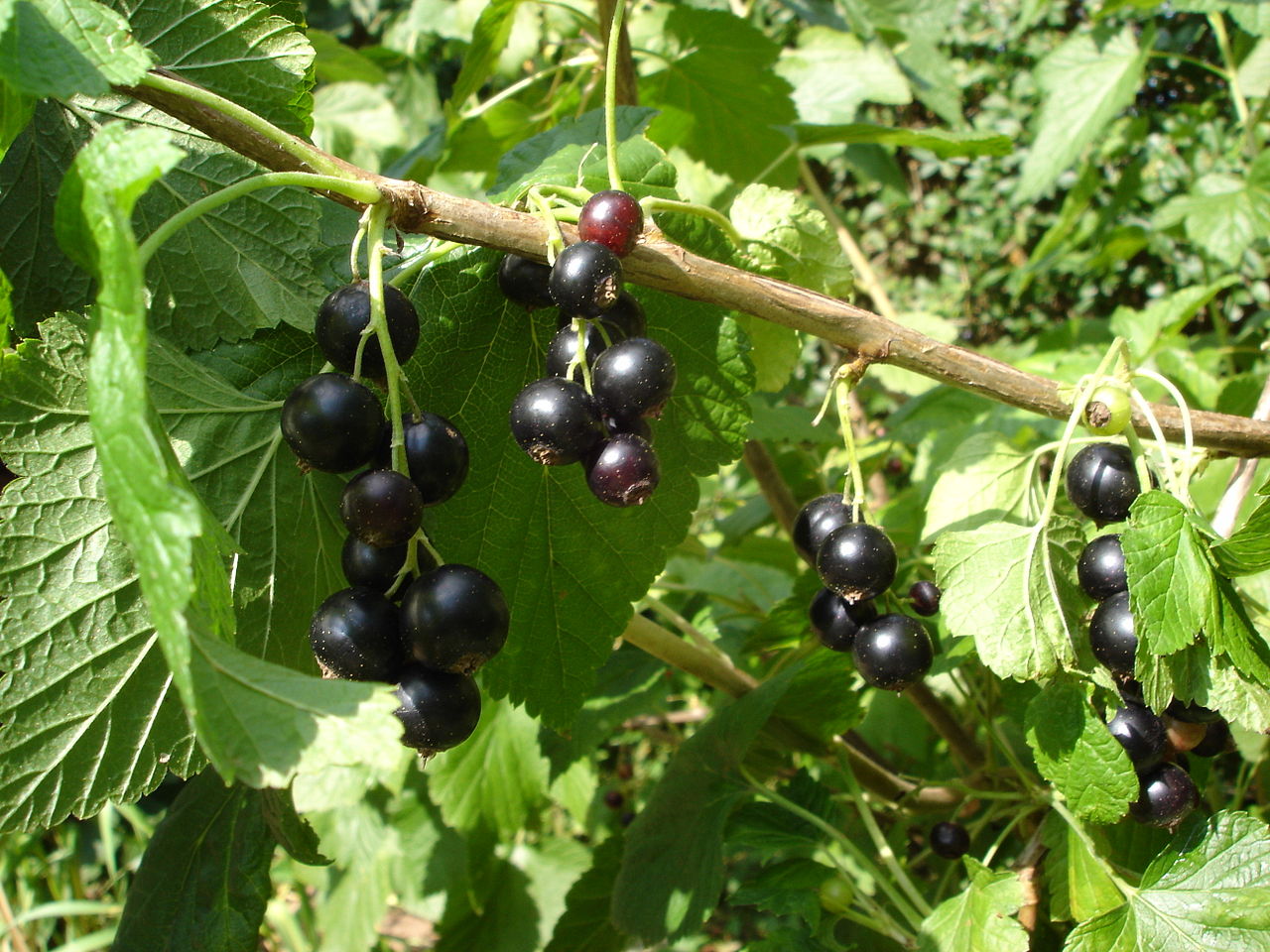
Members of Ribes typically have alternate leaves that may be simple or lobed. Flowers are usually small, urn-shaped or bell-shaped, and arranged in racemes, spikes or solitary clusters. Fruit are berries, sometimes with a translucent skin in currants or larger and often spiny in gooseberries. Growth form ranges from low, spreading shrubs to taller, erect bushes; a few taxa have thorny branches.
Taxonomy and distribution
Ribes is treated as the sole genus of the family Grossulariaceae, though historical treatments have placed it in the Saxifragaceae. Taxonomists commonly recognize several subgenera to reflect morphological diversity; some authors have segregated gooseberry-bearing species into a separate genus, Grossularia, though this separation is not universally accepted. The genus is native throughout the temperate Northern Hemisphere, with many species in Eurasia and North America; more detailed regional accounts are available from botanical sources such as this distribution reference.
Ecology
Ribes species provide food for birds and mammals and often flower in spring, offering nectar and pollen to insects. Many species are adapted to cool, moist environments and contribute to understory diversity in forests. The life cycles of some plant pathogens involve both Ribes and other hosts; most famously, certain rust fungi require both Ribes and five-needle pines to complete development, which has influenced management practices in forestry.
Uses
Several species are cultivated for their edible fruits. Blackcurrant, redcurrant and whitecurrant are used fresh, in preserves, jellies, syrups and baked goods; gooseberries are eaten fresh or cooked and are popular in traditional desserts in parts of Europe. Beyond culinary uses, many species are grown ornamentally for spring flowers and attractive fruiting displays.
Cultivation and pests
Ribes are generally hardy and adapt to a range of soils but prefer well-drained sites and moderate sunlight. Common pests include aphids and sawflies; fungal diseases such as powdery mildew and leaf spots can affect foliage. Management combines cultural practices, resistant cultivars and, where appropriate, targeted treatments. Historical quarantine measures in some regions restricted Ribes cultivation to protect conifer forests from blister rust, a matter now addressed through breeding and integrated management.
Notable species
- Ribes nigrum — blackcurrant; valued for dark, aromatic berries.
- Ribes rubrum — redcurrant; commonly grown for clusters of translucent red fruit.
- Ribes uva-crispa — gooseberry; includes cultivars with larger, often slightly hairy or spiny fruits.
- Ribes sanguineum — flowering currant; grown principally as an ornamental for early spring blooms.
Conservation and research
While many Ribes species are common in cultivation and the wild, habitat loss and localized threats affect some taxa. Ongoing research covers taxonomy, disease resistance and breeding for improved fruit quality. Botanical gardens and seed banks contribute to conservation of genetic diversity, and horticultural programs continue to develop cultivars suited to modern disease challenges and climate conditions.
Related articles
Author
AlegsaOnline.com Ribes: the genus of currants and gooseberries Leandro Alegsa
URL: https://en.alegsaonline.com/art/82589
Sources
- onlinelibrary.wiley.com : "An update of the Angiosperm Phylogeny Group classification for the orders and families of flowering plants: APG III"
- doi.org : 10.1111/j.1095-8339.2009.00996.x
- currentaffair2020india.com : current affairs 2020