
Psychedelic: meaning, effects, history and contemporary uses
Psychedelic describes substances and mental states that alter perception, mood and cognition, producing experiences such as hallucinations and synesthesia. Covers history, effects, therapeutic research and risks.
Psychedelic is an adjective used for certain drugs, experiences and cultural movements that produce profound alterations in perception, thought and emotion. The word itself was formed in the twentieth century from Greek roots meaning "mind" and "manifest" and is commonly applied to substances that can make ordinary sensory input feel novel or deeply significant. A psychedelic state often involves vivid imagery, altered sense of time, and changes in self-awareness.
Image gallery
8 Images





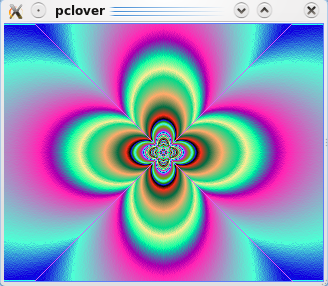
Origins and historical context
The modern use of the term grew as researchers and clinicians explored compounds that produced striking changes in consciousness. In the mid-20th century these substances entered psychiatry, religious practice and popular culture. They later became associated with social movements, scientific controversy, and regulatory restrictions; since the 1990s and 2000s a renewed research interest has investigated their therapeutic potential under controlled conditions.
Characteristics and common effects
- Perceptual changes: vivid imagery, intensified colors, shifts in spatial sense and altered sense of time.
- Hallucinatory phenomena: experiences sometimes described as hallucinations that can be visual, auditory, or multisensory.
- Synesthesia: blending of senses (for example, "seeing" sounds) often reported in literature and controlled studies (synesthesia).
- Cognitive and emotional shifts: insight, altered self-boundaries, intense feelings of wonder or anxiety.
Typical substances and applications
Classic psychedelics include lysergic acid diethylamide (LSD), psilocybin (magic mushrooms), mescaline and dimethyltryptamine (DMT). These psychedelic drugs act primarily on serotonin receptors and differ from stimulants, depressants or dissociatives in their qualitative effects. Research trials have explored brief, supervised administrations to treat conditions such as depression, PTSD and anxiety related to serious illness, often reporting promising but preliminary results.
Clinical work stresses preparation, controlled dosing and professional support to reduce adverse events. Not everyone will experience beneficial effects; people with or at risk for severe mental disorders may be vulnerable to adverse psychological reactions, including psychotic episodes (psychosis), and so screening is important.
For further background on terminology and early study of these states see general discussions of etymology and historical reviews. While public interest and scientific research continue to expand, psychedelics remain regulated substances in many jurisdictions and should be approached with caution and reliable guidance.
Related articles
Author
AlegsaOnline.com Psychedelic: meaning, effects, history and contemporary uses Leandro Alegsa
URL: https://en.alegsaonline.com/art/79846