
The Who
English rock band formed in 1964, celebrated for explosive live shows, pioneering rock operas (Tommy, Quadrophenia) and influential recordings. Core lineup: Pete Townshend, Roger Daltrey, John Entwistle, Keith Moon.
The Who are an English rock group that emerged in 1964 and became one of the most influential acts of the 1960s and 1970s. Combining aggressive guitar work, melodic songwriting and theatrical presentation, the band built a reputation for loud, high-energy concerts and inventive studio records. Over decades the group sold tens of millions of albums worldwide and inspired generations of musicians across genres from hard rock to punk.
Image gallery
10 Images



Core members and musical roles
The classic and most celebrated lineup consisted of Pete Townshend (principal songwriter and guitarist), Roger Daltrey (lead vocals), John Entwistle (bass) and Keith Moon (drums). Townshend's songwriting and power-chord guitar work defined much of the group's sound, while Daltrey's voice supplied a dramatic frontline presence. Entwistle's melodic, often complex bass lines provided a distinctive counterpoint, and Moon's frenetic, loose drumming became a signature element of The Who's live intensity. Together they developed a group identity that balanced virtuosity with raw showmanship.
Musical development and key recordings
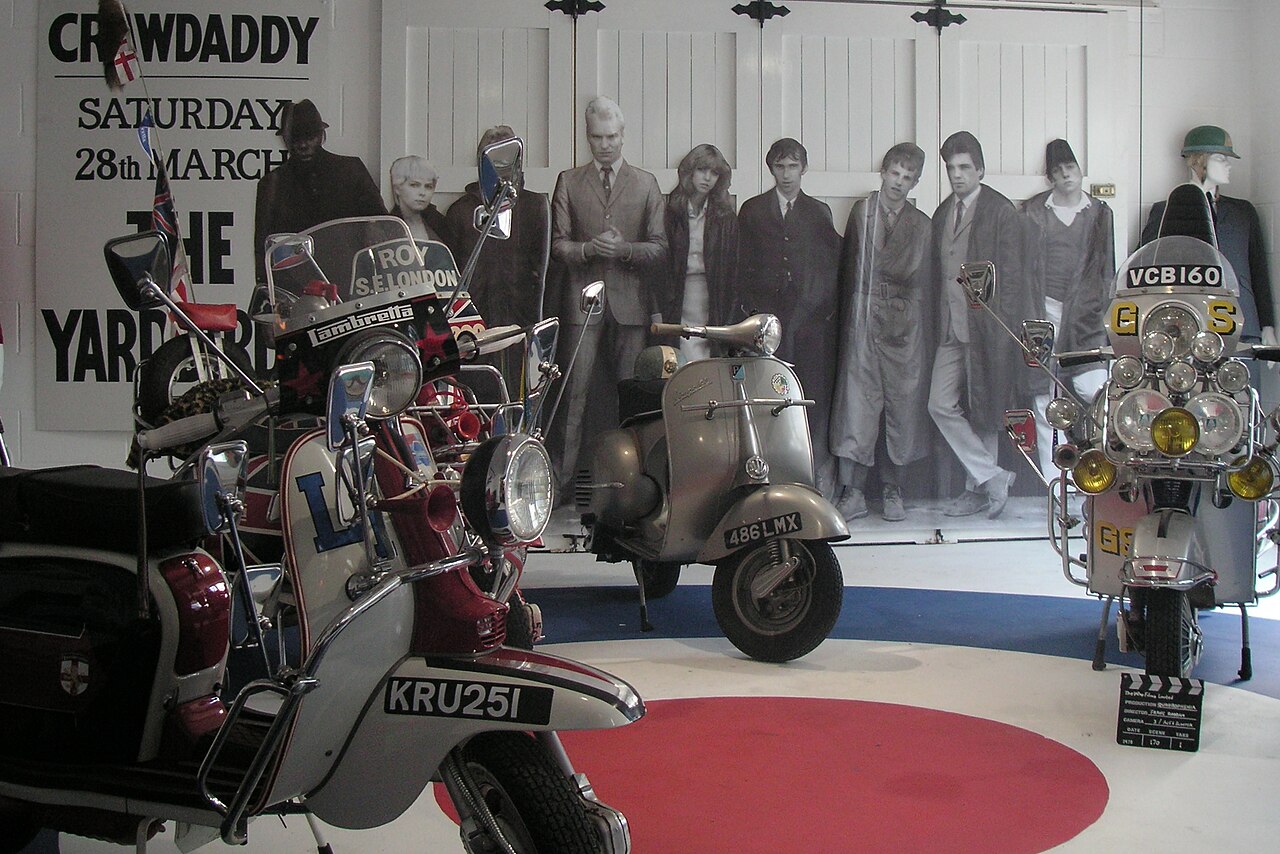
During the mid-to-late 1960s The Who released a string of singles and albums that established them in the rock scene. Early hits included "I Can't Explain," "The Kids Are Alright" and "My Generation," a youth anthem notable for its defiant lyrics and rhythmic drive. Albums such as My Generation, A Quick One and The Who Sell Out displayed a mix of pop, R&B and experimental production. In 1969 the band released Tommy, a long-form rock narrative that helped popularize the "rock opera" format; its commercial success broadened their audience and led to stage productions and a film adaptation. Subsequent landmark records included Who's Next and Quadrophenia, the latter further exploring character-driven themes and concept-album structure.
Performances, public image and milestones
The Who gained renown for dynamic festival performances (notably Monterey and Woodstock) and for stage theatrics: amplifiers were often destroyed, and Townshend's windmill guitar moves became emblematic of the group's confrontational energy. Critics and fans frequently cite them among the most compelling live bands of their era. The group's prominence in the United Kingdom and abroad led to many high-profile tours and appearances, and in recognition of their influence they were inducted into the Rock and Roll Hall of Fame in 1990.
Later history and legacy
Tragedy and change marked the band's later history. Keith Moon's death in 1978 ended the original rhythm section era; the band recorded further albums with drummer Kenney Jones and eventually ceased regular activity in the early 1980s. Periodic reunions followed, including benefit appearances and anniversary tours, with Townshend and Daltrey continuing to perform under The Who name. The death of John Entwistle in 2002 again altered the group's course, and plans for new material were interrupted; nevertheless the duo returned to release the studio album Endless Wire in 2006 and staged revival tours featuring material like Quadrophenia.
Influence, notable features and distinctions
The Who's legacy rests on several interlocking contributions: pioneering use of long-form rock narratives and concept albums, a distinctive blend of melody and power, and a blueprint for theatrical rock performance. Their approach influenced subsequent styles from hard rock and heavy metal to punk and Britpop. Musically notable elements include Townshend's songwriting and power-chord approach, Entwistle's inventive bass lines, Moon's propulsive and anarchic drumming style (often discussed in studies of rock percussion) and Daltrey's commanding vocal delivery. These characteristics help explain why the band remains a frequent subject in histories of modern popular music.
Selected highlights
- Breakthrough singles: "I Can't Explain," "My Generation."
- Major albums: Tommy, Who's Next, Quadrophenia, The Who Sell Out.
- Defining live moments: Monterey Pop, Woodstock and numerous world tours.
- Accolades: induction into the Rock and Roll Hall of Fame and lasting critical acclaim.
For further reading about individual members and specific albums see pages on Roger Daltrey, John Entwistle, and resources discussing their performance history and recording techniques, such as pieces on drumming style and the group's place in 20th-century popular music.
Questions and answers
Q: Who are The Who?
A: The Who are an English rock band formed in 1964. The main lineup from 1964 to 1978 was guitarist Pete Townshend, vocalist Roger Daltrey, bassist John Entwistle and drummer Keith Moon.
Q: How successful were they?
A: They became known for their high energy live shows and have sold about 100 million records. Many people think that The Who are the greatest live band of all time.
Q: What hit singles did they release?
A: They released a series of top ten hit singles including "I Can't Explain", "The Kids Are Alright", "My Generation", "Who Are You", and "Love Reign O'er Me".
Q: What albums did they release?
A: Their fame grew with memorable shows at the Monterey Pop and Woodstock music festivals and their albums included "My Generation", "A Quick One" and "The Who Sell Out". They also released the studio album titled “Tommy” in 1969 which was the first in a series of top ten albums in the United States.
Q: When did Keith Moon die?
A: Keith Moon died in 1978.
Q: When did The Who disband?
A: After releasing two more studio albums with drummer Kenney Jones, The Who disbanded in 1983 but re-formed at events such as Live Aid and for reunion tours such as their 25th anniversary tour and the Quadrophenia tours of 1996 and 1997.
Q: When were The Who inducted into the Rock & Roll Hall of Fame?
A:The Who were inducted into the Rock & Roll Hall of Fame in 1990.
Related articles
Author
AlegsaOnline.com The Who Leandro Alegsa
URL: https://en.alegsaonline.com/art/99112