
The 1960s: a decade of political change and cultural transformation
Overview of the 1960s decade and the broader 'Sixties' era, covering major political events, social movements, cultural trends, and lasting impacts worldwide.
The 1960s formally denotes the ten‑year span beginning on January 1, 1960 and ending on December 31, 1969. For many writers and historians the word also evokes a wider cultural era sometimes called the Sixties, a period of rapid social change and artistic innovation. For reference on the chronological decade see 1960s (chronology).
Image gallery
10 Images


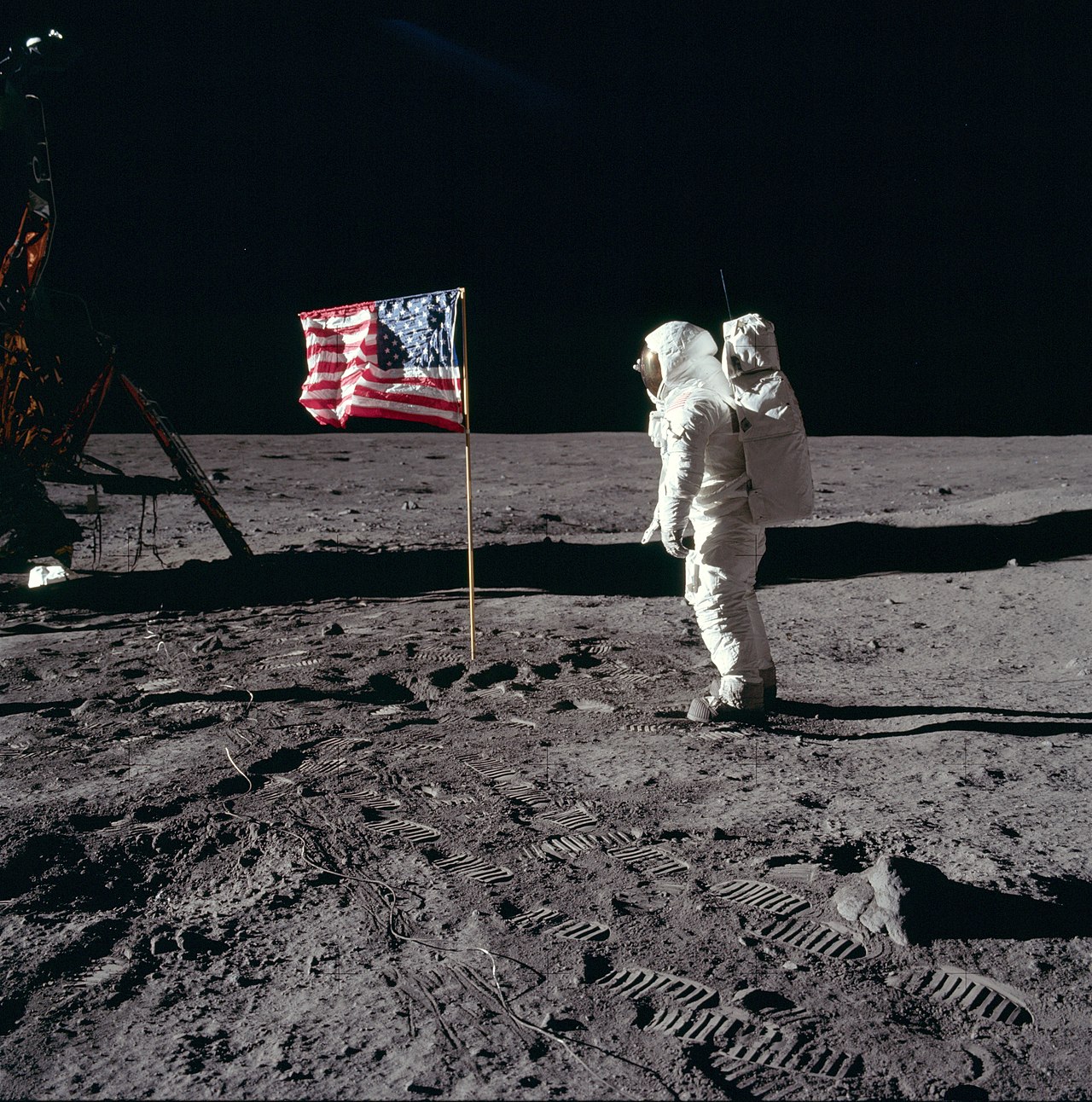


Major political and technological developments
Politics and technology were closely linked in this period. The Cold War framed much international action, producing intense rivalry between the United States and the Soviet Union and driving ambitious scientific programs. The competition for space milestones is often called the Space Race. At the same time, the struggle for civil rights and equal protection became a defining feature in many countries; in the United States this work is identified with the Civil Rights Movement. Armed conflicts and proxy wars also shaped geopolitics, with the Vietnam War becoming a central, divisive issue.
Cultural movements and social change
The decade saw an outflow of cultural energy that fused music, visual arts, fashion, and social protest. Writers and commentators often use the term Sixties to describe an era whose beginning and end are debated but whose character is recognizable. Shifts in social attitudes affected everyday life: new ideas about gender and sexuality spread alongside the widespread introduction of the contraceptive pill, a development commonly linked with the sexual revolution. Young people and artists rejected many established norms, forming a counterculture that challenged traditional authorities.
- Music and youth culture: rock, folk, and soul music became platforms for expression and protest.
- Visual arts: movements such as Pop art brought consumer imagery and mass media into fine art.
- Drugs and experimentation: changing patterns of recreational and experimental substance use influenced subcultures (drug culture).
- Social ideas: broader debates about race, gender and equality shifted public discourse (cultural trends and political change).
These cultural shifts were not uniform worldwide: in some places the period brought liberalization and visible reform, while in others conservative or authoritarian responses constrained change. The interplay of local conditions and global currents made the decade complex and often contradictory.
Legacy and notable characteristics
Many institutions and practices trace roots to the 1960s: expanded civil rights legislation in several countries, accelerated space and computing research, new musical genres and art movements, and altered social expectations about work, family and personal freedom. The Sixties also left a vivid record of protest movements, public debate, and artistic experimentation whose influence continued into the 1970s and beyond. For further thematic exploration see chronologies and specialized studies such as those on the Space Race or the Civil Rights Movement.
Because the decade combined rapid technological progress with intense political conflict and profound cultural change, it remains a frequent subject of study. Its events and trends are often revisited to understand the origins of contemporary social and political arrangements, the evolution of modern art and music, and the dynamics of generational change.
Questions and answers
Q: What decade was the 1960s?
A: The 1960s was the decade that started on January 1, 1960 and ended on December 31, 1969.
Q: What were some of the major events during the 1960s?
A: During the 1960s, there were several major events including the Space Race, the Civil Rights Movement, and the Vietnam War.
Q: When is an era often referred to as "the Sixties"?
A: An era often referred to as "the Sixties" is loosely defined as beginning around 1963 and ending around 1974.
Q: What was part of a wider counterculture in the social revolution of the 1960s?
A: Part of a wider counterculture in the social revolution of the 1960s included old ways being changed and new ways taken up such as introduction of birth control pill and its effect on sexual activity, widespread use of certain drugs and a general disrespect for traditional ways.
Q: How did pop art start in this decade?
A: Pop art also started in this decade during the 1960s.
Q: What type of changes occurred due to introduction of birth control pill?
A: Due to introduction of birth control pill during this time period, there were changes such as its effect on sexual activity and widespread use of certain drugs.
Related articles
Author
AlegsaOnline.com The 1960s: a decade of political change and cultural transformation Leandro Alegsa
URL: https://en.alegsaonline.com/art/112054
Sources
- nytimes.com : "Brokaw explores another turning point, the '60s"