
Jimi Hendrix: Life, Music, and Legacy
An overview of Jimi Hendrix — his life, guitar innovations, key performances, recordings, and lasting influence on rock, blues and popular music.
James Marshall "Jimi" Hendrix (born Johnny Allen Hendrix, November 27, 1942 – September 18, 1970) was an American guitarist, singer and songwriter whose techniques and stage persona reshaped popular music in the late 1960s. Widely regarded for his showmanship and inventive use of amplification and effects, Hendrix mixed blues, rock, soul and psychedelia to create a distinctive sound that influenced generations of musicians and altered expectations for the electric guitar in rock and roll.
Image gallery
10 Images




Early life and rise to prominence
Hendrix grew up in Seattle and taught himself to play, developing a style that emphasized feel and texture rather than formal notation; he reportedly could not read traditional music notation. After brief service in the U.S. Army and years backing soul and R&B acts, he traveled to the United Kingdom, where audiences and industry figures embraced his sound. In London he formed the Jimi Hendrix Experience and quickly became a focal point of the British music scene, before achieving broader fame across the world.
Musical characteristics and innovations
Hendrix is known for using feedback, wah-wah, controlled distortion and studio effects to extend the expressive possibilities of the electric guitar. He commonly played a right-handed Fender Stratocaster turned and restrung for left-hand playing, a configuration that shaped his attack and vibrato (Fender Stratocaster). His technique combined rapid runs, sustained bends and rhythmic chordal work, producing both lyrical solos and aggressive textures.
Key performances and recordings
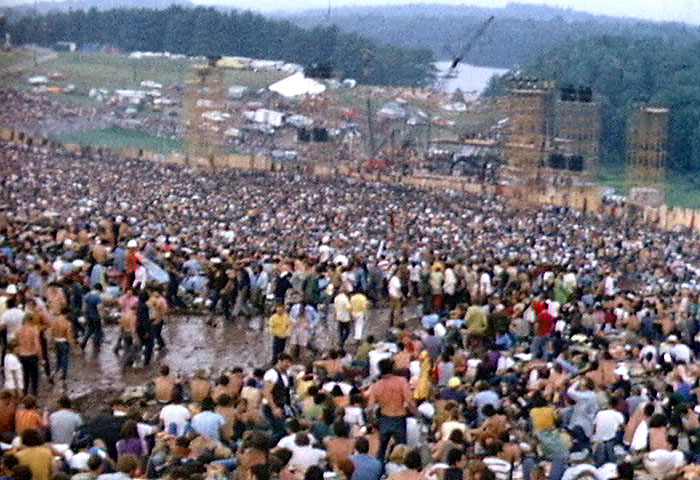
Public milestones contributed to Hendrix's legend: his incendiary set at the 1967 Monterey Pop Festival, where a dramatic act of setting a guitar ablaze became an iconic image, and his performance at the 1969 Woodstock Festival, which included an ambitious solo rendition of the U.S. national anthem. Major studio releases such as Are You Experienced and Electric Ladyland helped define his recorded legacy and showcased both concise songs and extended studio explorations.
Legacy and recognition
Hendrix's impact reached beyond technique: he expanded the palette of popular music production and inspired artists across genres. Critics and fellow musicians have frequently cited him among the greatest electric guitarists; for example, he was named the greatest guitarist by Rolling Stone magazine in 2003. His influence is visible in how guitarists approach tone, effects and performance.
Notable facts and distinctions
- Often credited with popularizing novel amplifier and pedal sounds that are standard today (musicians across styles acknowledge this).
- Though American by birth, he first became widely known after moving to England, where audiences and the press quickly embraced his work.
- Hendrix's approach fused roots forms like the blues with the new textures of late‑60s rock and psychedelia, altering what a soloist could achieve in a band context (guitarist innovations remain studied).
Today Hendrix remains a central figure in discussions about electrified popular music. His brief but prolific career left recordings, films and accounts that continue to be reissued and analyzed by fans, historians and performers seeking to understand how one musician broadened the expressive possibilities of his instrument.
Questions and answers
Q: Who is James Marshall Hendrix?
A: James Marshall Hendrix, born Johnny Allen Hendrix, was an American guitarist, singer, and songwriter.
Q: What was the major influence of Hendrix on other rock and roll musicians?
A: Hendrix was a major influence on other rock and roll musicians.
Q: Where did Hendrix initially gain recognition?
A: Hendrix initially gained recognition in England.
Q: Why did Hendrix become famous throughout the world?
A: Hendrix became famous throughout the world after appearances at the Monterey Pop Festival in 1967, at which he purposely set his guitar on fire, and Woodstock Festival.
Q: Was Hendrix trained in music notation?
A: No, Hendrix was a self-taught musician who was unable to read or write music notation.
Q: How did Hendrix famously play his guitar?
A: Hendrix famously played a right-handed Fender Stratocaster guitar turned over and restrung to play left-handed.
Q: What was Hendrix's achievement in Rolling Stone's magazine?
A: Jimi Hendrix was named Greatest Guitarist of all Time by Rolling Stone magazine in 2003.
Related articles
Author
AlegsaOnline.com Jimi Hendrix: Life, Music, and Legacy Leandro Alegsa
URL: https://en.alegsaonline.com/art/121979
Sources
- jimihendrix.com : "Biography"
- rockhall.com : "Jimi Hendrix in the Rock and Roll Hall of Fame"
- blogcritics.org : "Jimi Hendrix: The Most Influential Guitarist Of All Time?"
- digital.library.unt.edu : Hear Jimi Hendrix
- pbs.org : "Jimi Hendrix | Jimi Hendrix Biography | American Masters | PBS"
- rollingstone.com : "100 Greatest Guitarists of all Time] - Rolling Stone Magazine"
- megaessays.com : "Mega Essays - Jimi Hendrix"
- rockhall.com : "Rockhall timelines"
- guitarinternational.com : "Guitar international - Jimi Hendrix"
- historylink.org : "Jimi Hendrix's early years"
- elvis.com.au : "Elvis Australia - Hendrix and Presley"
- thesmokinggun.com : "Dismissal form from The Smoking Gun (1962)"
- bassplayer.com : "Billy Cox is Jimi Hendrix Experienced!, Richard Johnston"