
Frank Zappa (1940–1993): experimental composer, bandleader, and guitarist
Frank Zappa was an American composer, guitarist and bandleader known for genre-defying music, satirical lyrics, technical virtuosity and a large recorded catalog spanning rock, jazz and orchestral work.
Overview
Frank Vincent Zappa (December 21, 1940 – December 4, 1993) was an American musician and composer whose work crossed rock, jazz, classical and experimental idioms. He became known for combining virtuosic instrumental playing with sharp social satire, studio experimentation and a prolific output of recordings and performances. Across more than three decades Zappa released numerous albums and explored a wide range of musical styles, from concise songs to extended orchestral pieces.
Image gallery
10 Images


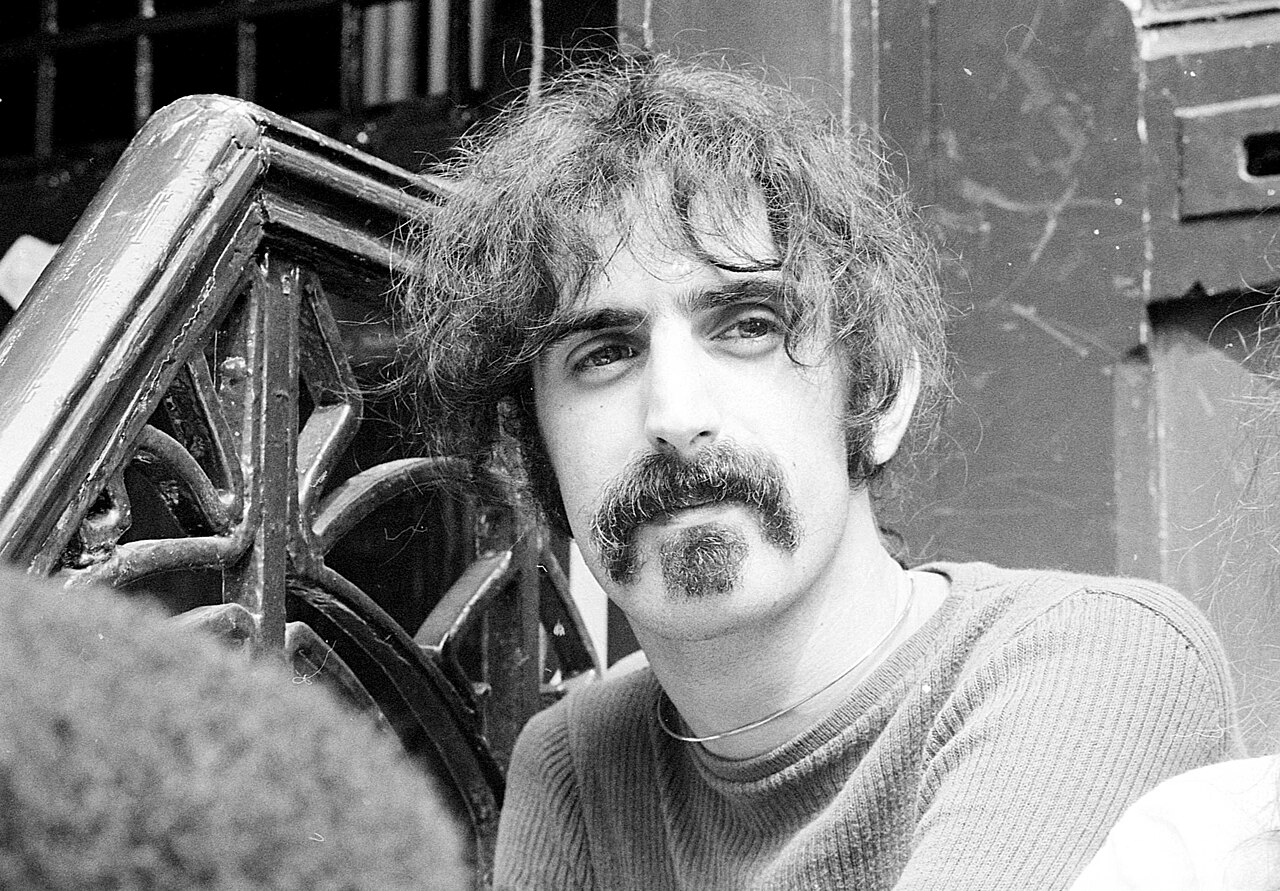


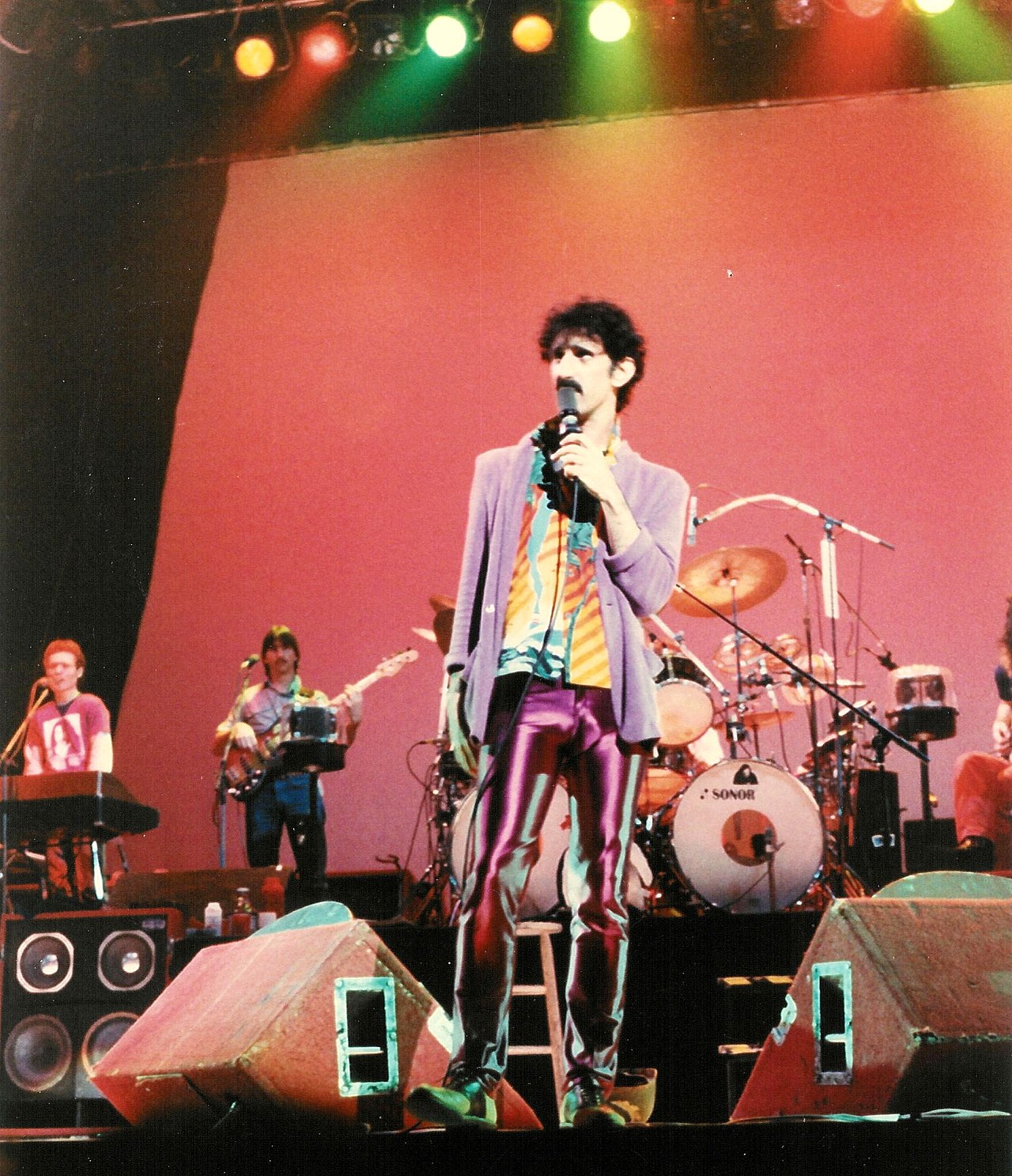
Early life and background
Zappa was born in Baltimore, Maryland, and spent much of his childhood in different parts of the United States, including Florida and communities in Southern California. He later lived in places such as Monterey and Claremont, developing an early interest in music and electronics. His mother was of French and Italian descent, and his father was an immigrant from Sicily. Zappa married Gail and they raised four children—Moon Unit, Dweezil, Ahmet, and Diva—names that attracted public notice for their uniqueness.
Career and collaborations
Zappa came to prominence in the 1960s as leader of the experimental group The Mothers of Invention, whose debut recordings blended rock with theatrical satire and complex arrangements. He worked with a broad array of musicians and producers, including a long creative association with Captain Beefheart and other avant-garde artists; some collaborations were presented as musical partnerships while others were friendships or guest appearances (collaborators). Zappa himself was widely respected as a guitarist and bandleader, often cited for his technical command and exacting rehearsal standards (guitarist).
Musical approach and themes
Zappa's music is marked by a mixture of humor, satire and serious compositional craft. He used unexpected time signatures, abrupt changes of style, and complex arrangements that referenced classical forms and modernist techniques; he also embraced studio technology as a compositional tool. His output included short satirical songs, extended instrumental works, film soundtracks and pieces written for chamber ensembles and full orchestra. He frequently addressed social topics in his lyrics, sometimes courting controversy by testing the boundaries of taste and public expression.
Positions, advocacy and controversies
Zappa was outspoken on several cultural issues. He publicly opposed illegal drug use as a lifestyle and criticized certain religious broadcasters for what he saw as manipulative rhetoric (anti-drug, televangelism). He was a prominent critic of music censorship and fought restrictions on artistic content, speaking about free expression in interviews and public appearances (censorship). These stances made him a frequent presence in debates about music, media and morality.
Legacy and later years
Zappa is often remembered as one of the most prolific and idiosyncratic figures in 20th-century popular music. He influenced a wide range of musicians across genres with his insistence on high musical standards, eclectic tastes and inventive production techniques. His catalog has been reissued and studied since his death from prostate cancer in Los Angeles, California, and his recordings continue to appear on reissues and archival releases. Beyond recordings, notable aspects of his career include extensive touring, film and orchestral projects, and a reputation for challenging listeners and critics to broaden their expectations of what popular music could be.
- Characteristics: satire, technical skill, genre-mixing.
- Notable groups: The Mothers of Invention and varied ensembles.
- Public roles: artist, outspoken cultural commentator, advocate for artistic freedom.
For further reading, archival materials and discographies consult specialist music libraries and reputable biographies that examine Zappa's life, recordings and continuing influence on contemporary music scenes.
Questions and answers
Q: Who was Frank Vincent Zappa?
A: Frank Vincent Zappa was an American musician and composer known for his strange style of music.
Q: What type of music did he make?
A: He made various types of music and many albums.
Q: Who were some of the musicians he worked with?
A: He worked with many other musicians, most notably his 1960s group The Mothers of Invention and his friend and blues singer Captain Beefheart.
Q: Where did Zappa grow up?
A: Zappa grew up in Baltimore, Maryland; Florida; Monterey, Claremont and El Cajon, California.
Q: How many children did he have?
A: Zappa had four children with his wife Gail - Moon Unit, Dweezil, Ahmet, and Diva.
Q: What was Zappa against?
A: Zappa was openly against drugs, Televangelism, and censoring music.
Q: Where did he die from prostate cancer?
A: He died from prostate cancer in Los Angeles, California.
Related articles
Author
AlegsaOnline.com Frank Zappa (1940–1993): experimental composer, bandleader, and guitarist Leandro Alegsa
URL: https://en.alegsaonline.com/art/119183
Sources
- digital.library.unt.edu : Hear Frank Zappa