
The Beatles: Origins, Music, and Lasting Influence
A concise encyclopedia entry covering the Beatles: formation in Liverpool, members, musical evolution, key recordings, cultural impact, and later developments.
Overview
The Beatles were an English rock and pop band founded in Liverpool, England, around 1960. The quartet—John Lennon, Paul McCartney, George Harrison and Ringo Starr—became one of the best-known and most influential acts in the history of popular music. During a relatively brief period of intense creativity they reshaped songwriting, studio production and the global popular-music business, and they remain a reference point for artists and audiences worldwide.
Image gallery
10 Images

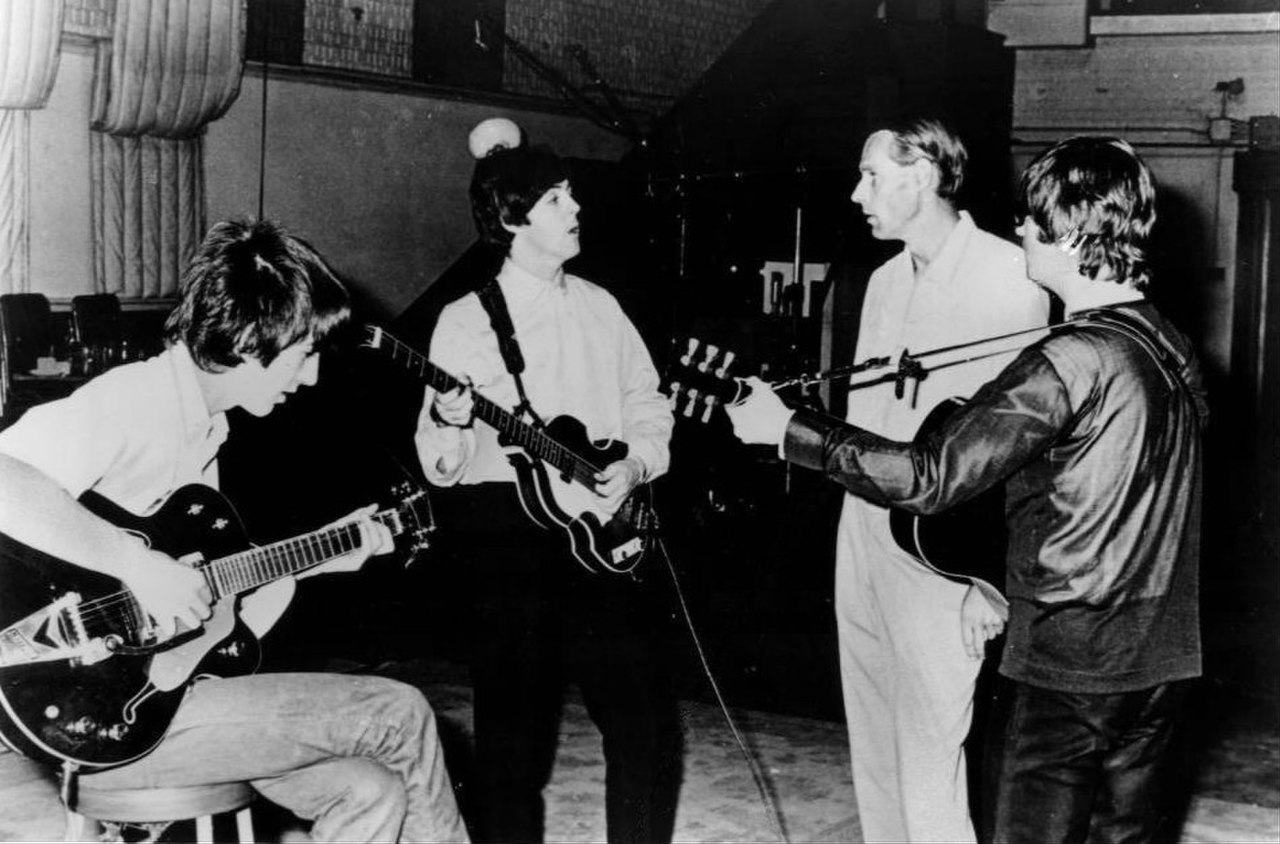


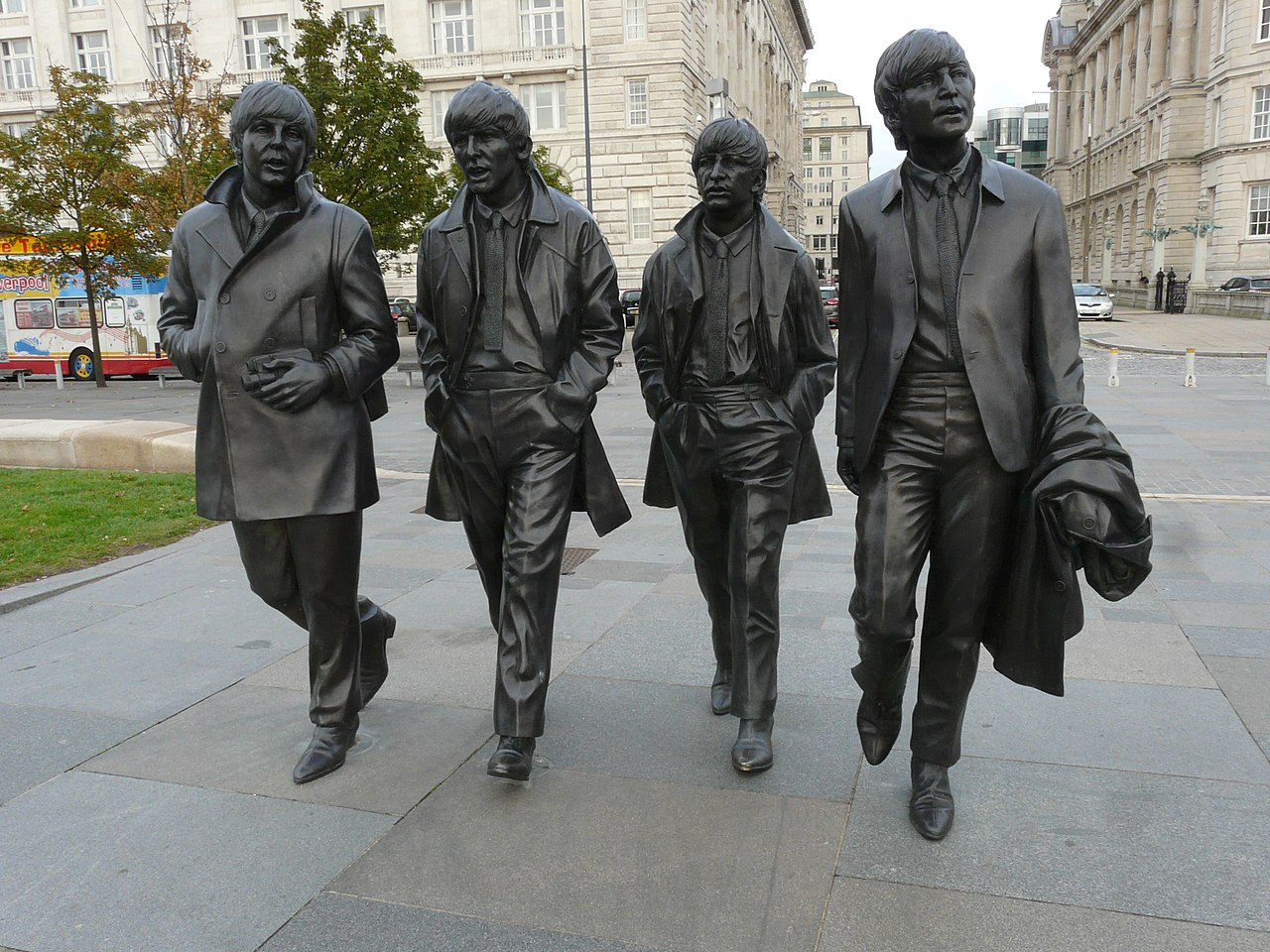


Formation and early years
The group's roots lie in mid-1950s skiffle and local rock scenes in Liverpool. After a series of lineup changes in the early 1960s the band settled into the lineup above; earlier members and associates included Stuart Sutcliffe, who originally played bass, and several temporary drummers. They spent extended residencies performing in clubs in Hamburg and around Liverpool, honing a high-energy live repertoire. For a time they employed Pete Best on drums before recruiting Ringo. Their manager, Brian Epstein, and producer, George Martin, were pivotal in shaping their professional career. The single "Love Me Do" (1962) and subsequent releases rapidly brought them popularity across the United Kingdom, and sensational press coverage coined the term "Beatlemania" for their fan phenomenon.
Musical development and characteristics
Beginning as a beat and skiffle band with clear influences from 1950s American rock and roll, the Beatles' sound expanded quickly. The songwriting partnership of Lennon and McCartney—often referenced as the Lennon–McCartney team—produced many of the group's best-known songs, while Harrison and Starr contributed distinctive guitar work and rhythmic foundations. Across the 1960s they experimented with folk, rhythm and blues, Indian music, psychedelia and orchestral arrangements. Studio techniques such as multitracking, tape manipulation and nontraditional instrumentation became central to their creative identity.
Major recordings and career milestones
By 1964 the Beatles were international stars and leading figures in the so-called British Invasion of the United States. Landmark albums that illustrate their progression include early records capturing their live energy, mid‑decade albums that expand lyrical and sonic boundaries, and later works that foreground studio artistry. Their catalogue contains many widely cited classics and several albums that are regularly listed among the most influential in rock history. The group's public profile and commercial success altered the music industry and popular culture in the 1960s and beyond.
- Key members: John Lennon, Paul McCartney, George Harrison, Ringo Starr.
- Notable phases: early beat/skiffle period, mid‑1960s studio experimentation, later reflective and orchestral work.
Later years and legacy
The group formally dissolved in 1970, after which each member pursued solo projects with varying commercial and critical success. Their cultural impact is broad: they inspired generations of songwriters and performers, influenced recording practice and album-oriented listening, and played a major role in the musical and social transformations of the 1960s. Tragic and notable events in later decades included the murder of John Lennon in New York City in 1980 and the death of George Harrison from illness in 2001. Paul McCartney and Ringo Starr have continued to record and tour, and archival releases, retrospectives and scholarship continue to renew public interest in the band's work.
The Beatles are frequently cited in discussions of 20th-century popular music because of their combination of songwriting innovation, studio experimentation and cultural resonance. Their catalogue and career remain subjects of study, reissue and reinterpretation, and their songs continue to be heard across media and generations.
Questions and answers
Q: Who were the members of The Beatles?
A: The members of The Beatles were John Lennon, Paul McCartney, George Harrison, and Ringo Starr.
Q: What type of music did they play?
A: The Beatles began as a skiffle and beat band and were influenced by 1950s American rock and roll. In their later years the band became experimental with genres such as different types of rock, avant-garde music and orchestral music. Some credit songs such as Helter Skelter and I Want You (She's So Heavy) as being the origins of metal and punk music.
Q: When was The Beatles formed?
A: The Beatles were formed in 1960 in Liverpool, England.
Q: Who produced most of their music?
A: George Martin produced most of their music.
Q: What was their first single?
A: Their first single was "Love Me Do", released in late 1962.
Q: What is Beatlemania?
A: Beatlemania is a term used to describe the intense fan frenzy surrounding the British rock band The Beatles during the 1960s.
Q: When did they break up?
A: They broke up in 1970.
Related articles
Author
AlegsaOnline.com The Beatles: Origins, Music, and Lasting Influence Leandro Alegsa
URL: https://en.alegsaonline.com/art/97583
Sources
- rollingstone.com : "500 Greatest Albums of All Time"
- cnn.com : "Rolling Stone's top 10 Beatles songs of all time"
- vogue.co.uk : Vogue UK; Stella McCartney Biography
- fashionfollower.com : Hopeful Romantics:Dopo Yume Wear their Hearts on Their Sleeves