
Hashish: resin from the cannabis plant — composition, history, and uses
Hashish is a concentrated cannabis resin used historically and today for recreational and medicinal purposes; its composition, production methods, cultural history, and legal status vary by region.
Overview
Hashish (often shortened to "hash") is a concentrated resin produced from the cannabis plant. It is distinct from loose dried cannabis flower (commonly called marijuana) because it collects the plant's resinous trichomes into a denser form. The raw material for hashish comes from female cannabis plants such as Cannabis sativa, which produce glandular trichomes containing cannabinoids and terpenes. Concentrating those trichomes increases the relative amount of psychoactive and non-psychoactive compounds compared with the unprocessed plant material.
Image gallery
7 Images


Composition and characteristics
Hashish is primarily composed of plant resins that contain cannabinoids (for example, delta-9-tetrahydrocannabinol, known as THC, and cannabidiol, CBD), terpenes that contribute aroma and flavor, and other minor plant constituents. Different samples of hash can vary widely in appearance, texture, color and potency depending on the cannabis strain used and the extraction method. Typical forms include soft, malleable pastes, firm pressed blocks or brittle shards. Potency is generally higher than dried flower because the trichomes—where cannabinoids concentrate—are collected rather than consumed along with bulk plant matter.
Production methods
Traditional and modern techniques are used to make hashish. Common approaches include:
- Dry sieving: mechanically separating trichome heads using screens to collect a powder often called "kief," which can be pressed into hash.
- Hand rubbing: gently abrading living plant material to collect sticky resin on the hands, historically common in some regions.
- Wet extraction: using ice water and agitation to separate trichomes, producing a refined resin when dried and pressed.
These methods influence the texture, purity and chemical profile of the final product. Industrial solvent-based extracts also exist but are typically classified differently (e.g., waxes, shatter) and may not be described as traditional hashish.
History and cultural context
The use of concentrated cannabis resin has deep historical roots in parts of Central and South Asia, North Africa and the Middle East. The word "hashish" comes from Arabic, where historically it referred to grass or dry herb and later to extracts made from the plant. Over centuries, hashish became integrated into various cultural and social practices, including medicinal, ritual and recreational contexts. Trade routes and migration spread both the plant and methods of concentration to other regions, influencing local production styles and terminology.
Uses and effects
Hashish is used primarily by inhalation (smoking or vaporizing) and occasionally by oral ingestion in edible preparations. Its effects derive from cannabinoids interacting with the human endocannabinoid system; THC is the primary compound responsible for intoxicating effects, while other cannabinoids such as CBD can modulate those effects. Reported acute effects include changes in mood, perception and appetite, while longer-term effects depend on frequency of use, dosage and individual factors. Some people seek hashish for symptom relief in conditions where cannabinoids are considered beneficial; however, medical use and formulations are usually governed by regulated medical-cannabis programs and vary by jurisdiction.
Legal status and distinctions
The legal classification of hashish differs widely around the world. In many countries it is controlled alongside other cannabis products; in some places, laws distinguish between different cannabis preparations, permitting regulated medical use or decriminalizing possession of small amounts. Debates about legalization, medical access and public health continue in numerous legal systems. For a general overview of laws and policy discussions, see resources referenced by governmental and international agencies via authoritative channels such as official policy overviews.
Notable distinctions
Key differences between hashish and other cannabis products include its method of production (resin concentration versus whole-plant use), typical potency, and traditional cultural associations. Consumers and regulators often treat hash as a distinct category because its concentrated nature can lead to different dosing and effects compared with unprocessed flower.
Understanding hashish benefits from appreciating both its botanical origins and the range of social, medical and legal perspectives that have developed around concentrated cannabis preparations. Contemporary discussion continues to evolve as scientific knowledge, regulation and cultural views change.


Usage
→ Main articles: Cannabis as intoxicant and hemp as medicine
Hash is used both as an intoxicant and as a medicine. With its relaxing effect it belongs to the rather "soft" drugs. Hashish is usually smoked in pipes (bong) or as a joint, but can also be consumed in food.
With the change in the law in Germany on 10 March 2017 regarding "cannabis as medicine", standardised extracts from the cannabis flower have become part of the therapy options and can be covered by health insurance.
Ingredients
In the hemp plant Cannabis sativa, 483 (as of 2007) different constituents have been identified so far. Among them are at least 113 cannabinoids and more than 140 terpene derivatives. Since there are now also many synthetic cannabinoids on the market, the cannabinoids from the hemp plant are called phytocannabinoids. The ingredients of the cannabis resin can be roughly divided into cannabinoid and non-cannabinoid substances.
Questions and answers
Q: What is hashish made from?
A: Hashish is made from the flower of the female cannabis plant.
Q: What are cannabinoids?
A: Cannabinoids are chemicals found in the leaves and flowers of the cannabis plant.
Q: What is the difference between THC and CBD?
A: THC gives a feeling of euphoria to the user, while CBD gives a relaxing feeling.
Q: What is CBG?
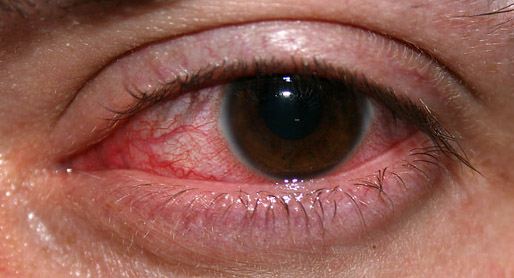
A: CBG is a cannabinoid that gives the user red or droopy eyes.
Q: What is the origin of the word "hashish"?
A: The word "hashish" comes from an Arabic word meaning dry weed.
Q: What is the difference between hashish and marijuana?
A: Hashish has much more THC than marijuana.
Q: Is hashish legal?
A: Hashish is illegal in many countries, including the United States and the UK.
Related articles
Author
AlegsaOnline.com Hashish: resin from the cannabis plant — composition, history, and uses Leandro Alegsa
URL: https://en.alegsaonline.com/art/42733
Sources
- treatment4addiction.com : "Hash Abuse and Side Effects"
- psychologytoday.com : "Psychology Today"