
Rainbow flag (LGBT)
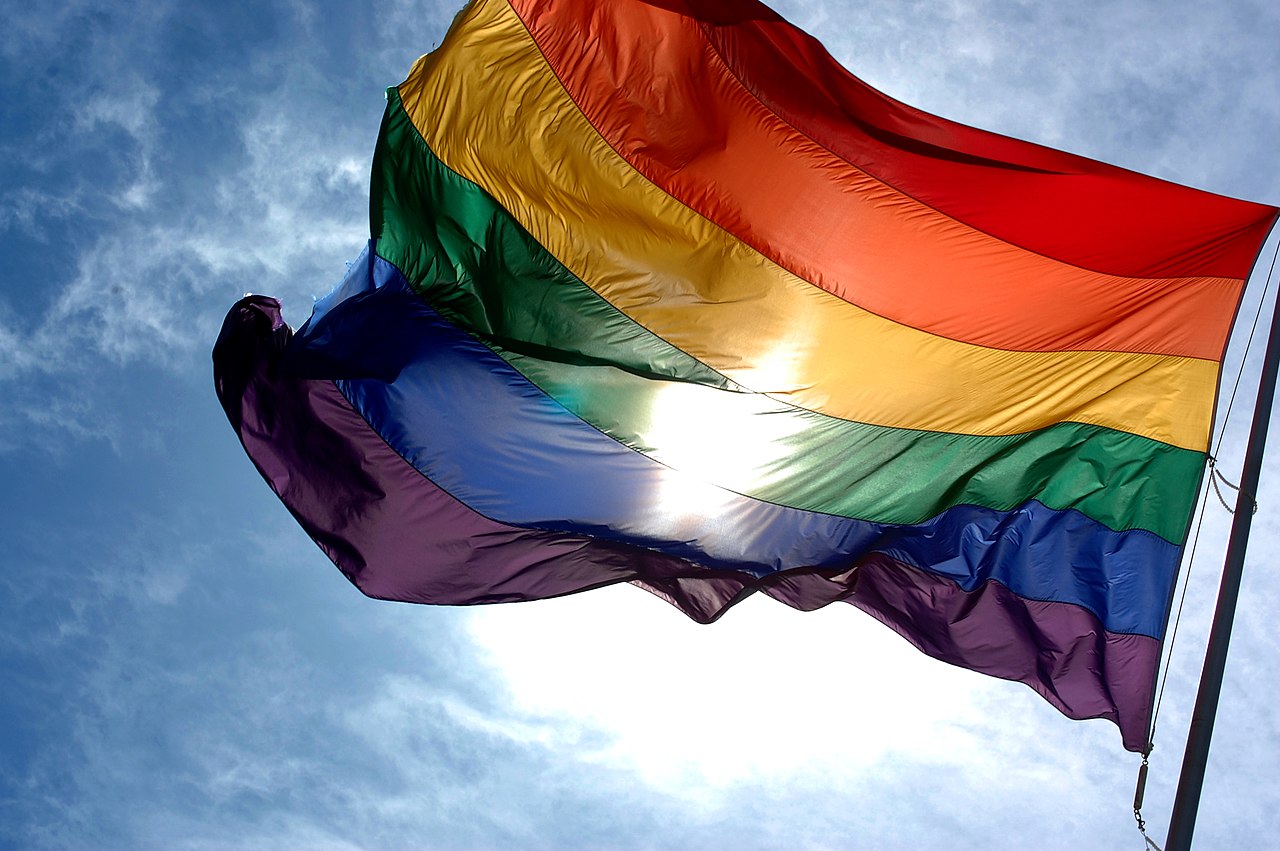
The rainbow flag, often called the Pride Flag, is the widely recognized emblem of LGBT communities. Created in 1978 by Gilbert Baker, it has evolved into multiple color variants and global usage.
Overview
The rainbow flag is the best-known symbol of modern LGBT communities and activism. Commonly called the Pride Flag, it signals inclusion, diversity and solidarity for lesbian, gay, bisexual, transgender and queer people. The banner is used by individuals, organizations and events to mark LGBT identity and safe spaces; it is recognized around the world as an emblem of pride and civil rights. For more background see symbol and general LGBT resources at LGBT.
Image gallery
10 Images


Origins and early history
The rainbow flag was designed in 1978 by Gilbert Baker, an artist and gay rights activist based in San Francisco. Baker created the flag for the local Gay Freedom Day parade; his original design used eight colored stripes, each chosen for a specific meaning. The flag quickly spread as a visible emblem of the movement and was reproduced by activists and vendors across the United States and beyond.
Design and meanings
The original eight-striped banner assigned a theme to each color: hot pink for sex, red for life, orange for healing, yellow for sunlight, green for nature, turquoise for magic or art, indigo (or royal blue) for serenity and violet for spirit. Practical factors—such as fabric availability and mass production—led to simplified variants. The now-familiar six-color version removes hot pink and combines turquoise and indigo into a single blue stripe; that six-stripe arrangement is widely used today.
Variations and related flags
- Standard six-color Pride Flag: red, orange, yellow, green, blue, violet.
- Local and community adaptations: some cities and groups have added black and brown stripes to highlight racial inclusion, or incorporated additional elements to recognize trans and nonbinary people.
- Combined or "Progress" designs: newer versions use chevrons or added stripes to include the colors of the transgender flag and other community markers.
- Distinct flags exist for particular identities—such as lesbian and gay communities—while the rainbow remains a pan-community emblem.
Use, importance and notable facts
The rainbow flag functions as both a celebratory and political symbol: it is flown at pride parades, rallies, community centers and commercial venues. Its visibility helps signal inclusion, supports collective identity, and draws attention to ongoing struggles for legal equality and social acceptance. Although many variations have emerged, the rainbow motif endures as a unifying image across generations and cultures, rooted in Baker’s original 1978 creation.
Questions and answers
Q: What is the Rainbow flag?
A: The Rainbow flag is the symbol of the LGBT community.
Q: What does LGBT stand for?
A: LGBT stands for lesbian, gay, bisexual, and transgender.
Q: Who created the Rainbow flag?
A: The Rainbow flag was created by Gilbert Baker of San Francisco, California in 1978.
Q: What is another name for the Rainbow flag?
A: The Rainbow flag is also called the 'Pride Flag'.
Q: When was the Rainbow flag created?
A: The Rainbow flag was created in 1978.
Q: Why was the Rainbow flag created?
A: The Rainbow flag was created as a symbol for the LGBT community.
Q: What is the significance of the Rainbow flag?
A: The Rainbow flag is significant because it represents diversity, acceptance, and the fight for equal rights for the LGBT community.
Related articles
Author
AlegsaOnline.com Rainbow flag (LGBT) Leandro Alegsa
URL: https://en.alegsaonline.com/art/80908
Sources
- christiangays.com : "History of the Gay Pride Rainbow Flag"