
Politician: roles, routes to power, communication, and public perceptions
An overview of what politicians do, how they reach office, how campaigning and media evolved, and the distinctions and debates surrounding political actors and public service.
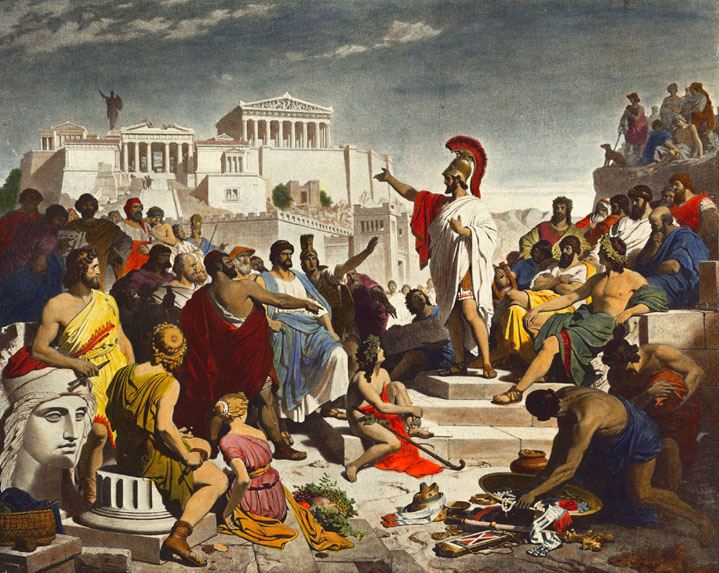
The word politician has ancient roots: it ultimately traces to the Greek concept of the city-state, often cited with the term polis and related civic ideas represented by polis in classical sources. In general usage a politician is any person actively engaged in party politics, holding public office, or seeking to influence government policy. The label covers a wide spectrum, from local councillors and legislative members to national executives and party leaders.
Image gallery
8 Images



Roles and typical activities
Politicians perform several distinct but overlapping functions in public life. They:
- propose, debate and enact laws as part of legislative bodies or executive administrations, participating in formal party systems and coalitions;
- represent constituents’ interests and provide constituent services, an aspect central to representative government;
- shape public policy and administrative priorities, drawing on expertise in governance and public affairs described by scholars as the art or science of government;
- navigate rhetorical choices and public image, sometimes being called a statesman when praised for leadership, or contrasted with the more neutral term political actor when emphasis is on partisanship.
Paths to office and methods of influence
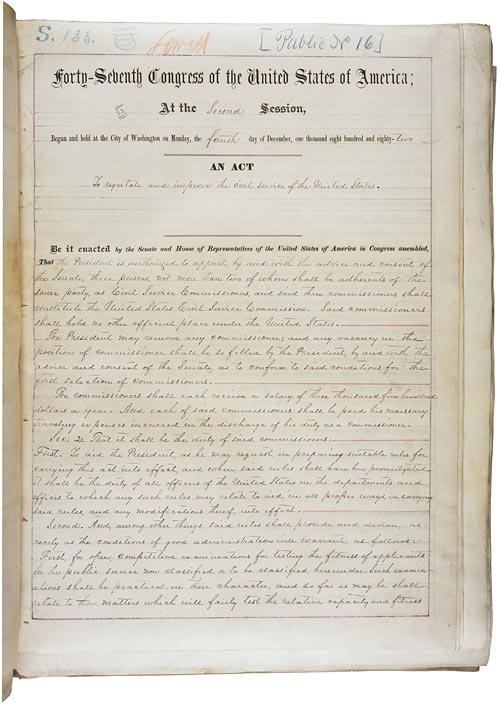
How politicians reach power depends on a country’s institutions. In democratic systems they normally seek election through organized campaigns and party nominations, processes associated with modern democracy and periodic ballots. Electoral competition, primary systems and general elections are routine mechanisms for selection of candidates and officeholders (elective positions). When vacancies occur between elections, temporary replacement may follow resignation or death through appointment or special elections (resignation procedures). In non-democratic or unstable settings, access to power can follow other routes, including patronage and corruption such as bribery, or abrupt changes through revolution and coups. Many careers combine lawful campaigning with informal networks and negotiation.
Communication, campaigning and media
Successful politicians are often skilled communicators and campaign managers who use language, symbolism and media to build support. Political actors frequently consult experts in messaging and polling to frame issues (expertise). The technological environment for campaigning has changed over time. The era of mass print and distribution made broad persuasion possible through the rise of mass media. In the 19th century, expanding literacy and information chains meant newspapers and periodicals were central to politics; historians note the impact of the 19th century press. Campaign literature included broadsheets and daily reporting, while newspapers (newspapers), magazines (magazines), pamphlets (pamphlets) and posters (posters) were standard tools for persuasion and organization.
The 20th century brought broadcast technologies that reshaped political communication. Developments in the 20th century introduced radio and later television, making spoken and visual messaging central to campaigns. Radio and television (radio and television) created new expectations about performance and presentation. Entering the 21st century, digital platforms altered outreach again: politicians now use online channels (21st century communication) including websites and social networks via the Internet and mobile devices such as smartphones to target messages, mobilize supporters and fundraise.
Public perceptions of politicians vary widely. Some citizens value political skill and regard experienced leaders as professional public servants; others express distrust, associating politicians with self-interest or partisan conflict. Distinctions such as the ideal of the statesman versus the practical label politician reflect normative debates about leadership, ethics and accountability. Contemporary discussion often emphasizes transparency, campaign finance, conflict of interest rules and the role of civil society in holding politicians to account. Understanding politicians therefore requires attention to institutions, communication practices, legal frameworks and the historical context that shape how individuals exercise public power.
For further reading on terms, institutions and communication strategies, consult introductory summaries and historical overviews via these topics: polis origins, classical political concepts, party systems, representative government, democracy, elective office, resignation procedures, bribery and corruption, revolutionary change, the study of government, statesmanship, political actor, expertise in politics, mass media history, 19th-century developments, newspapers, magazines, pamphleteering, political posters, 20th-century politics, broadcast media, digital era, internet, mobile communication.
Related articles
Author
AlegsaOnline.com Politician: roles, routes to power, communication, and public perceptions Leandro Alegsa
URL: https://en.alegsaonline.com/art/77776
Sources
- merriam-webster.com : "politician | someone who is active in government usually as an elected official"
- questia.com : online
- questia.com : online