
Politics of Pakistan: System, History and Key Institutions
A concise overview of Pakistan's political system, major institutions, history of military interventions and return to civilian rule, main parties, provinces and contemporary challenges.
Overview
The politics of Pakistan revolve around a federal structure and a contested balance between civilian institutions and the military. Broadly known as a federal parliamentary republic, Pakistan combines representative democratic institutions with a history of periodic extra‑constitutional interventions.
Image gallery
3 Images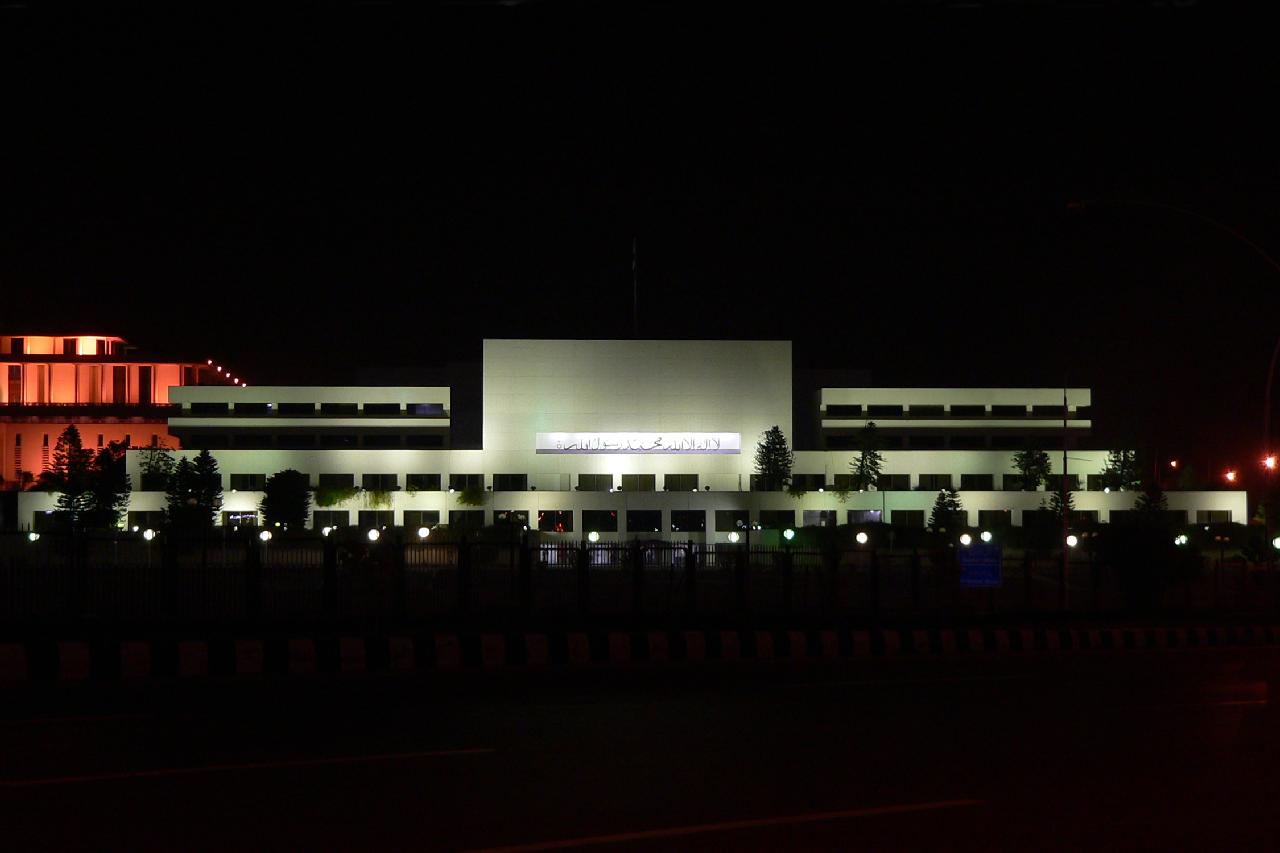


Constitutional framework and institutions
Pakistan is governed as a federal republic with powers divided between the centre and provinces. The formal heads of the national government are the President (a largely ceremonial head of state) and the Prime Minister, who serves as head of government and exercises executive authority in practice. Legislative authority rests with a bicameral parliament and judicial review is provided by a Supreme Court and a system of lower courts.
Main institutions
- Executive: Prime Minister and Council of Ministers
- Legislature: National Assembly (lower house) and Senate (upper house)
- Judiciary: Supreme Court and provincial high courts
- Subnational units: four provinces and federal territories
History and political development
Since independence in 1947, Pakistan’s political history has alternated between civilian governments and periods of military rule. Several coups and martial‑law eras in the second half of the 20th century—commonly remembered in public discourse—shaped institutional development. A written constitution, widely associated with the 1970s, established the contemporary parliamentary model that has been amended and contested over time. Civilian rule was restored after the late‑2000s elections and subsequent governments have operated within the constitutional framework while facing institutional and political pressures.
Political actors and subnational politics
Political life features national parties, regional movements and provincial governments. Major national parties, provincial leaders and parliamentary coalitions play decisive roles in forming governments. The country’s provinces—Punjab, Sindh, Khyber Pakhtunkhwa and Balochistan—have distinct political dynamics and interact with the federal centre over resources, law and order, and development.
Contemporary challenges and significance
Key challenges include strengthening democratic institutions, civil‑military relations, economic governance, and managing regional security concerns. Elections, coalition building and judicial interventions remain central mechanisms for resolving disputes. Pakistan’s politics are consequential regionally and domestically, affecting governance, social policy and international relations.
For further reading on institutional roles and recent developments, see official sources and analyses that track parliamentary proceedings, constitutional amendments and election results.
Related articles
Author
AlegsaOnline.com Politics of Pakistan: System, History and Key Institutions Leandro Alegsa
URL: https://en.alegsaonline.com/art/77779
Sources
- news.bbc.co.uk : Opposition confident in Pakistan - BBC News