
Revolution: sudden social, political, and technological change
A concise examination of revolutions: what they are, how they happen, major types and examples, causes and effects, and how revolutions differ from reforms, coups, or gradual change.
Overview
A revolution is a rapid and often fundamental reordering of political, social, economic or technological arrangements. The term derives from Latin and originally suggested a turning or return, but in modern use it describes abrupt change that alters power relations, institutions, or the dominant way of life. Revolutions may be political in intent, but they can also be social or scientific and sometimes combine several dimensions at once. For discussions of political upheaval see political revolutions.
Image gallery
10 Images



Common characteristics
Revolutions typically share a few broad traits: a sense of widespread discontent, a mobilized group or coalition, rapid replacement or transformation of existing structures, and a period of instability or contestation. They can be violent or nonviolent, sudden or unfolding over years; some include armed conflict and mass unrest, while others achieve change through mass protest, strikes, or negotiated transitions. Many revolutions aim to change the whole system—its laws, leadership, and distribution of resources—rather than only adjusting specific policies.
History and notable examples
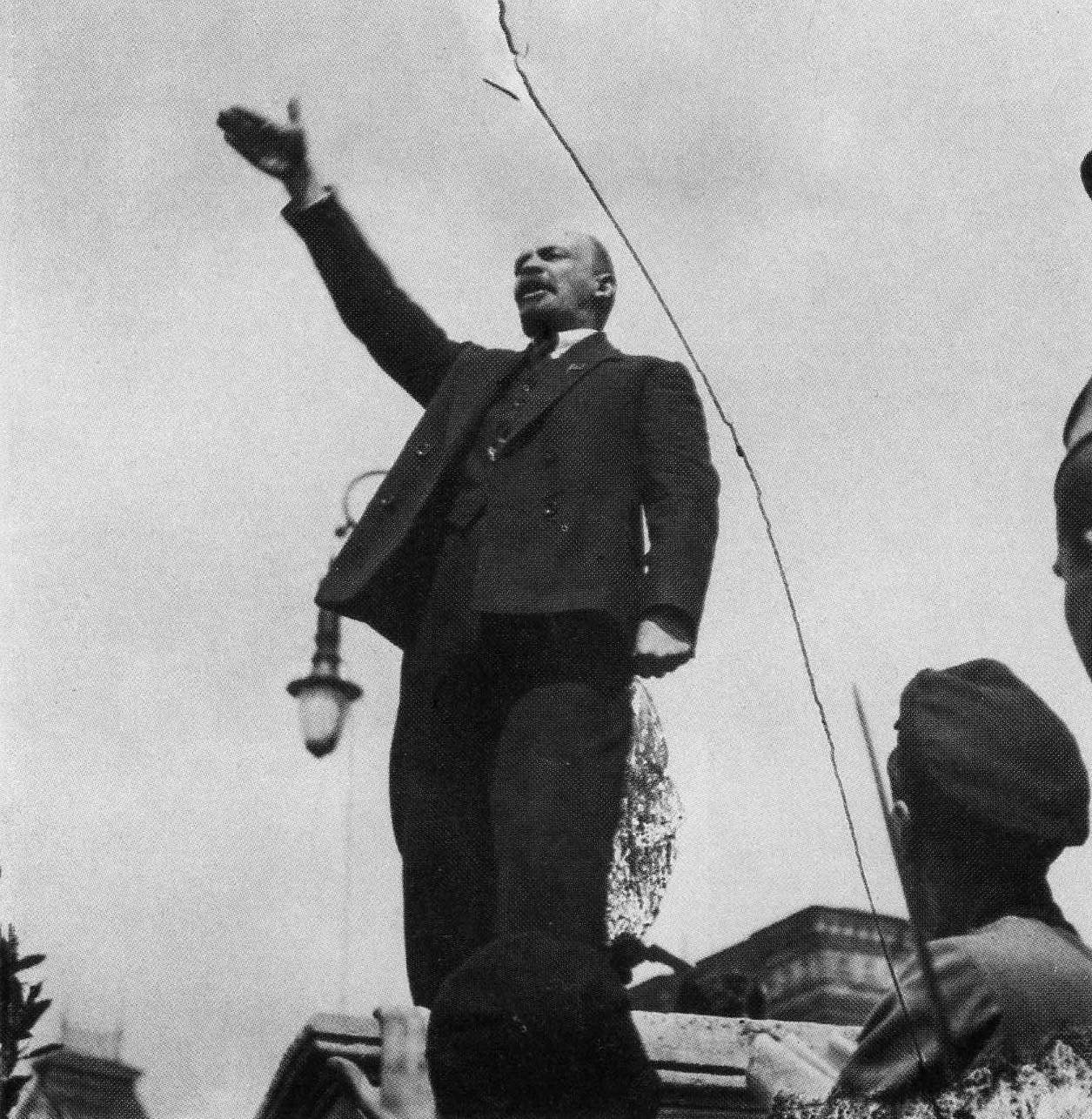
Historical revolutions fall into several families. Political revolutions overthrew rulers and regimes, for example the French Revolution of 1789, which led to radical social and institutional upheaval and a subsequent period often called the Reign of Terror. The Russian Revolution produced the Soviet state and vast geopolitical change; that state later experienced its own processes of reform and disintegration. The Soviet Union and its origins illustrate how revolutions can reshape nations and ideologies.
- Political independence movements: the American Revolution.
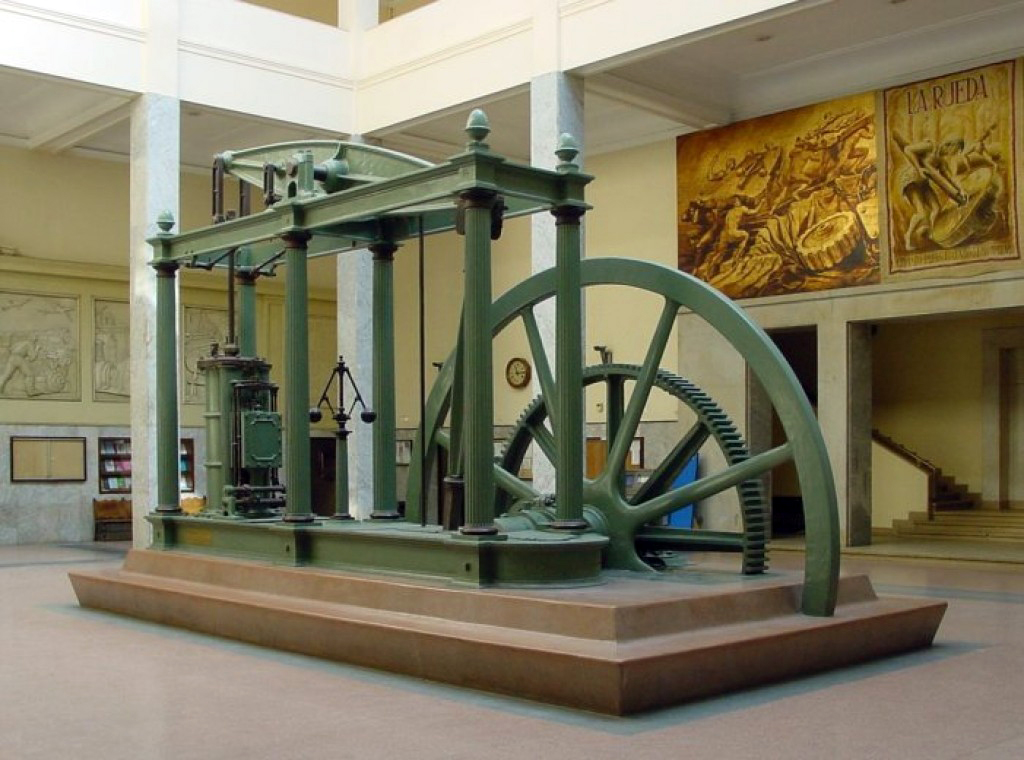
- Economic and technological shifts: the Industrial Revolution, which transformed production and urban life.
- Agricultural and biological change: the Green Revolution in farming techniques and the ancient Neolithic revolution that introduced agriculture.
- Late twentieth-century transitions: perestroika and other post‑communist transformations that led toward market economies and new political orders.
Causes and consequences
Causes of revolution often include economic hardship, political exclusion, rapid social change, ideological movements, or loss of legitimacy by those in power. External pressures such as war or international isolation can accelerate breakdown. Outcomes vary: some revolutions produce durable reform and broadened rights; others lead to authoritarian consolidation, prolonged conflict, or counterrevolution. Revolutions also leave long-term cultural and institutional legacies, reshaping legal systems, property relations, education, and international alignments.
Types and modern variations
Beyond classic political revolutions, scholars and commentators use the term for technological and social transformations: for example, the Industrial Revolution and modern technological shifts sometimes labeled the Cybernetic or Information Revolutions. Political leaders and policymakers may also use the language of a "Green Industrial Revolution" to describe rapid transitions in energy and infrastructure. Revolutions can be planned or emergent and may be primarily cultural, economic, or technological as much as political.
Distinctions and related concepts
Revolution differs from reform, coup, or insurrection in scale and objective. A coup replaces leadership quickly without changing the underlying structure; reform adjusts policies within the existing framework. Gradual change is often called gradualism, the opposite of revolutionary rupture. Nonviolent revolutions and negotiated transitions—where broad public mobilization forces change without widescale bloodshed—show that revolution is not synonymous with violence. Understanding these distinctions helps clarify debates about legitimacy, means, and ends in episodes of rapid change.
For further reading and primary case studies, see resources on political upheavals, social movements, and technological transitions: political revolutions, system change, and historical entries on the Soviet Union, Russian Revolution, French Revolution, the Reign of Terror, the Neolithic revolution, and debates about gradualism.
Related articles
Author
AlegsaOnline.com Revolution: sudden social, political, and technological change Leandro Alegsa
URL: https://en.alegsaonline.com/art/82418