
Poster
A poster is a printed or digital visual display designed to inform, persuade, or decorate public spaces. Commonly used for advertising, education, art reproduction, and political messaging.
A poster is a sheet of printed (or sometimes digital) visual material intended for public display. Posters typically combine imagery, typography and a concise message to attract attention from a distance and communicate quickly. They are produced on paper or similar substrates and attached to walls, boards, windows or freestanding frames in public and private spaces. For a basic definition and examples see further reading.
Image gallery
10 Images


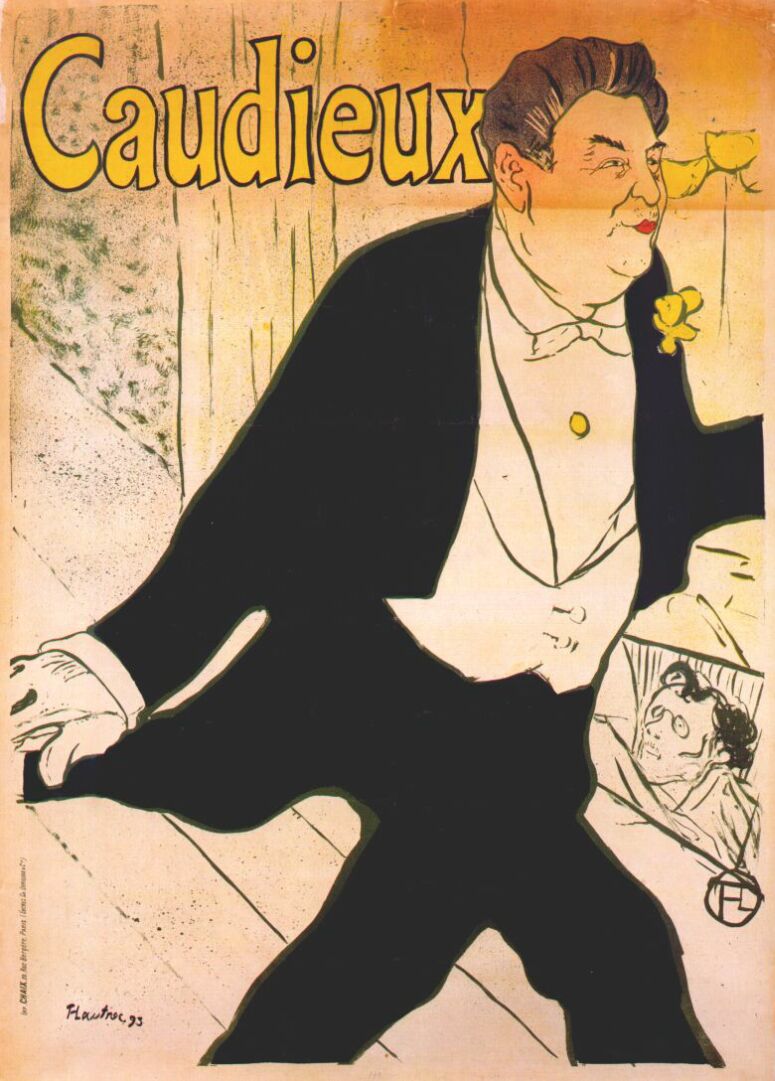

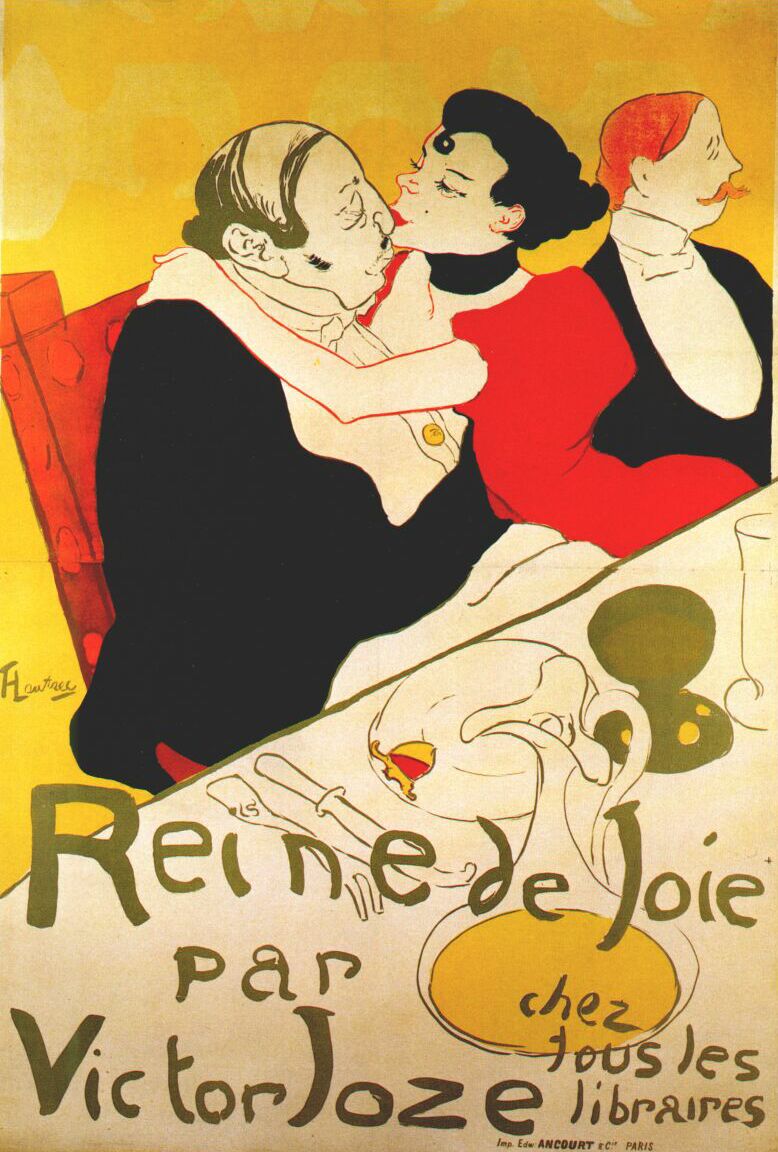
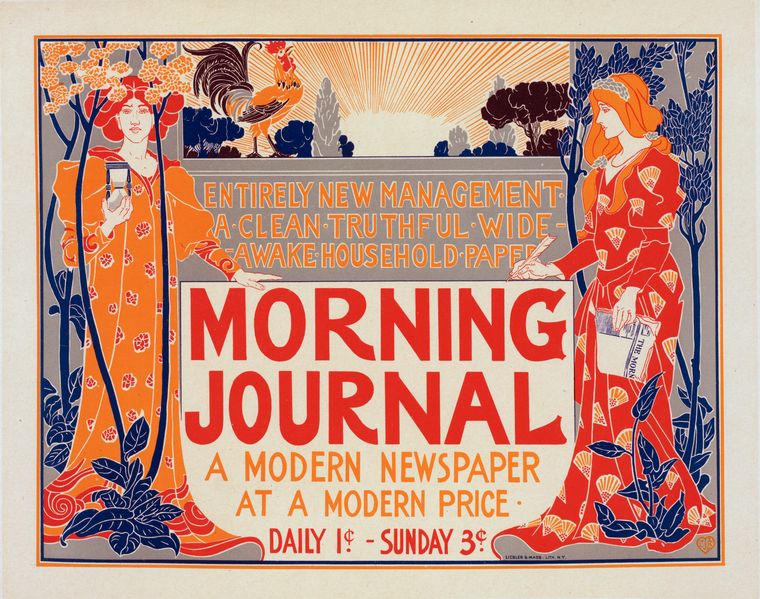
Characteristics and components
Most posters share a few common elements: a dominant image, a headline or slogan, supporting text, and a call to action or credit information. Designers balance color, scale and negative space to make a message legible at varying viewing distances. Materials and printing methods influence durability and finish; some posters are mass-produced for short-term campaigns, while others use heavier stock or protective laminates for outdoor use. Sample visual references and image catalogs can be found at image examples.
Production and placement
Traditional posters are produced by offset printing, lithography or digital printing; contemporary practice also includes large-format inkjet and UV printing. Installation methods range from simple paste-up and staples to framed displays and adhesive-backed vinyl. Legal permissions and local regulations often govern where posters may be placed; many cities provide designated poster spaces and noticeboards — see municipal guidance at posting locations.
History and development
Posters have been a principal medium of mass communication since the rise of color lithography in the 19th century. They served commercial advertising, entertainment promotion and political campaigns. Notable movements and artists helped establish the poster as a graphic art form; museums and retrospective collections document this evolution — for historical context visit advertising history.
Common uses
- Advertising: product, event and service promotion — see advertising examples at advertising resources.
- Education: classroom posters, safety notices and public information campaigns — illustrated in educational material.
- Propaganda and public affairs: persuasive government or political messaging — examples at public messaging.
- Decoration and art reproduction: copies of artworks and original graphic prints — see collections at art prints.
Posters remain a versatile medium because they are inexpensive, scalable and capable of reaching diverse audiences in physical spaces. Their design combines visual hierarchy and brevity to deliver an immediate impression, a quality that keeps the poster relevant alongside digital communication.
Questions and answers
Q: What is a poster?
A: A poster is a large piece of printed paper that usually contains a message and a picture.
Q: Where are posters typically displayed?
A: Posters are made to be shown in public on a wall or other flat surfaces.
Q: What were posters used for before the internet?
A: Posters were the main form of public advertising before the web.
Q: What are some common uses of posters?
A: Posters are used for advertising, education, propaganda, and decoration.
Q: Can posters be copies of famous works of art?
A: Yes, posters may also be copies of famous works of art.
Q: Are posters still used today?
A: Yes, posters are still used today, although the internet has become a more prominent form of advertising.
Q: What size is a poster typically?
A: Posters are generally larger than standard printed materials, with sizes ranging from 11x17 inches to several feet in height and width.
Related articles
Author
AlegsaOnline.com Poster Leandro Alegsa
URL: https://en.alegsaonline.com/art/78388
Sources
- americanart.si.edu : Smithsonian Institution
- encarta.msn.com : encarta.msn.com/encyclopedia_761559456/John_Bull.html · webcitation.org
- query.nytimes.com : "The Candidates as Culture Vultures"
- nga.gov.au : nga.gov.au/ModernPoster/