
Politics: how groups make collective decisions
Politics is the practice and study of making collective decisions in groups—from local communities to nation-states—covering power, institutions, policy, and the processes that govern shared life.
Politics is the set of practices, institutions and interactions through which groups make collective decisions about shared life. It appears wherever people must agree on rules, allocate resources, settle disputes, or coordinate actions—whether in tribes, cities, or countries. As an activity, politics includes negotiation, competition, cooperation and the exercise of authority; as a field of study it examines how those processes are organized and justified.
Image gallery
10 Images


Key actors and components
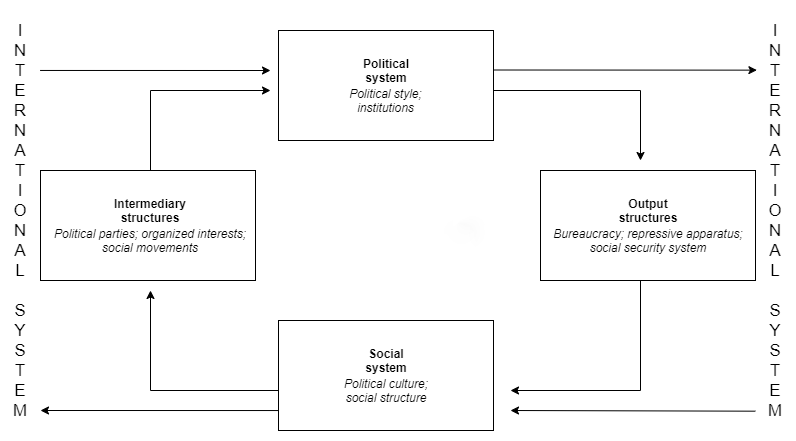
Politics involves a range of participants and structures. Elected officials and officeholders—commonly called politicians—play visible roles, but parties, civil servants, interest groups, social movements and ordinary citizens also shape outcomes. Formal institutions such as courts, legislatures and executive administrations form the framework of public decision-making, while informal norms and networks influence how rules are interpreted and enforced. Collectively these elements produce policies, laws and public programs administered by government.
How political processes work
At its core, politics is about making collective choices. Typical mechanisms include elections, bargaining, legislation, bureaucratic implementation and judicial review. Power in politics can be derived from law, force, expertise, wealth or moral authority; its distribution determines who can set agendas and whose interests are prioritized. Political activity also takes place inside non-state organizations—businesses, universities, religious bodies and clubs—where decisions about rules, leadership and resources follow similar dynamics.
Historical development and systems
Political organization has evolved from kin-based bands and tribal councils to city-states, empires and modern nation-states. Over centuries different systems emerged—monarchies, oligarchies, representative democracies, authoritarian regimes—each with distinct ways of selecting leaders and managing power. Contemporary political life is shaped by constitutional arrangements, global interdependence, mass media and the expansion of rights and citizenship.
Study and practice
The systematic study of these phenomena is pursued in political science and related fields; practitioners in public institutions study methods of governance in public administration. Research covers topics such as electoral behavior, policy design, institutional performance, political theory and public ethics. Practical politics demands skills in negotiation, coalition-building, communication and administration.
Importance and common distinctions
Politics shapes everyday life by deciding how public resources are used, how rights are protected and how collective problems are addressed. Distinctions often drawn include politics versus government (politics is the process; government is an organized authority), policy versus administration (what is decided versus how it is implemented), and ideology versus pragmatism (principled programs versus instrumental choices). Understanding politics helps citizens engage more effectively and hold institutions accountable.
Questions and answers
Q: What is politics?
A: Politics is the way that people living in groups make decisions by forming agreements and governing their group, such as a country.
Q: Who are politicians?
A: Politicians are people who spend a lot of their time making agreements between people so that they can live together in groups, such as tribes, cities, or countries.
Q: What is the study of politics called?
A: The study of politics in universities is called political science, political studies, or public administration.
Q: How do governments make rules and laws?
A: Governments make rules and laws through the process of politics.
Q: Are there other places where we can see politics at work?
A: Yes, we can also see politics at work in other groups such as companies, clubs, schools, and churches.
Related articles
Author
AlegsaOnline.com Politics: how groups make collective decisions Leandro Alegsa
URL: https://en.alegsaonline.com/art/77782