
Potawatomi (Neshnabé): people of the Great Lakes and Midwest
The Potawatomi (Neshnabé) are an Anishinaabe-speaking Indigenous people of the Great Lakes, upper Mississippi and Plains regions, known historically for the Council of Three Fires and modern cultural revival.
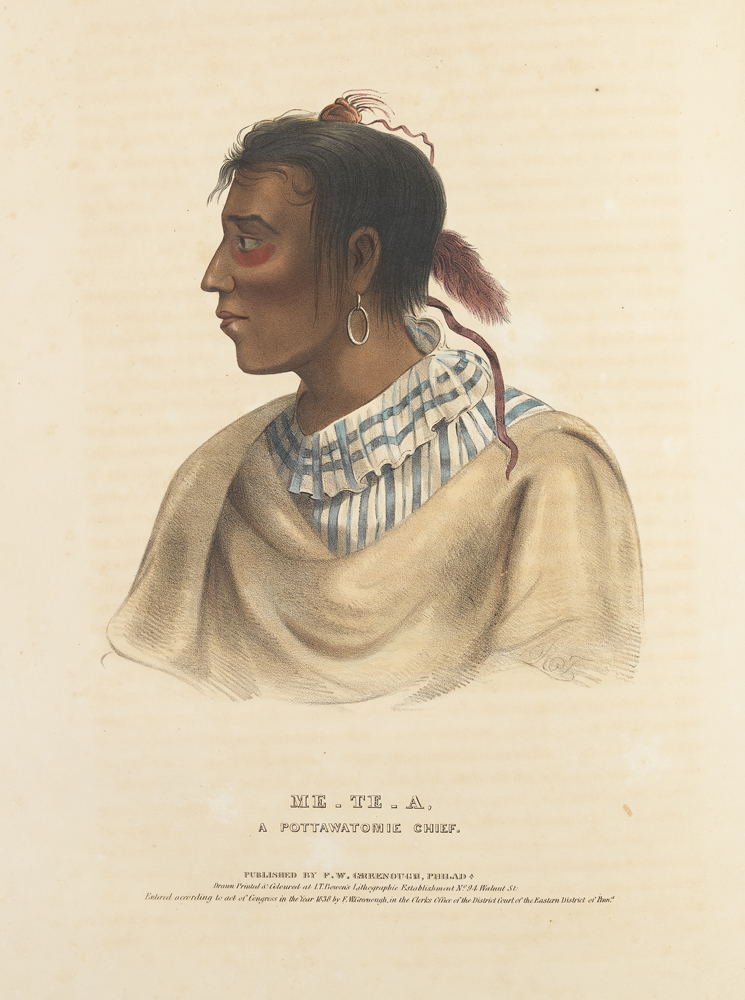
The Potawatomi are an Indigenous people historically located across the Great Lakes, parts of the Great Plains, the upper Mississippi River corridor and surrounding woodlands. They have long been associated with hunting, fishing, gardening and seasonal movement within this broad territory. Today Potawatomi communities live in several U.S. states and in Canada, maintaining cultural traditions while engaging in modern economic and civic life.
Image gallery
8 Images




Names, identity and alliances
The Potawatomi call themselves Neshnabé, a name closely related to the Anishinaabe family of peoples (see Anishinaabe). They are one member of a historic alliance known as the Council of Three Fires, together with the Ojibwe and Odawa. In some traditions the Potawatomi are also referred to by the name often translated as "keepers of the fire," reflecting a ceremonial and diplomatic role within that confederation.
Language
The Potawatomi language belongs to the Central branch of the Algonquian family. It shares many features with the closely related Ojibwe and Odawa languages. Like many Indigenous languages, Potawatomi suffered decline through the 19th and 20th centuries because of removal, boarding schools and assimilation policies; in recent decades communities have pursued revitalization through classes, immersion programs and documentation projects.
History and displacement
Before sustained European contact, the Potawatomi lived in dispersed villages and seasonal camps, combining agriculture (corn, beans, squash) with hunting and fishing. Contact with Europeans brought involvement in the fur trade and later a series of treaties with the United States and Canada. During the 19th century many Potawatomi were forced from their homelands by treaty and removal policies; a well-known episode is the 1838 forced march often called the "Potawatomi Trail of Death." Removals led to present-day Potawatomi communities in Kansas, Oklahoma, Michigan, Wisconsin and Ontario.
Contemporary communities and culture
Several Potawatomi nations are federally (or provincially) recognized and active in cultural preservation and economic development. Examples include:
- Citizen Potawatomi Nation (Oklahoma)
- Prairie Band Potawatomi Nation (Kansas)
- Pokagon Band of Potawatomi Indians (Michigan and Indiana)
- Forest County Potawatomi Community and Hannahville Indian Community (Wisconsin and Michigan)
Potawatomi cultural life combines traditional practices—seasonal harvesting, basketry, music and ceremony—with contemporary institutions such as tribal governments, schools and enterprises. Powwows, language classes and cultural centers play important roles in community life.
Notable distinctions
The Potawatomi are often highlighted for their role in the Council of Three Fires, their resilience in the face of displacement, and active language and cultural revitalization efforts. Modern Potawatomi nations exercise tribal sovereignty, manage programs for health and education, and work to preserve both historic memory and living traditions into the 21st century.
Related articles
Author
AlegsaOnline.com Potawatomi (Neshnabé): people of the Great Lakes and Midwest Leandro Alegsa
URL: https://en.alegsaonline.com/art/78433