
Pomo peoples — Native groups and languages of Northern California
The Pomo are Indigenous peoples of Northern California known for distinct languages, complex basketry, village-based lifeways, and long-standing cultural traditions tied to the Russian River and surrounding coastlands.
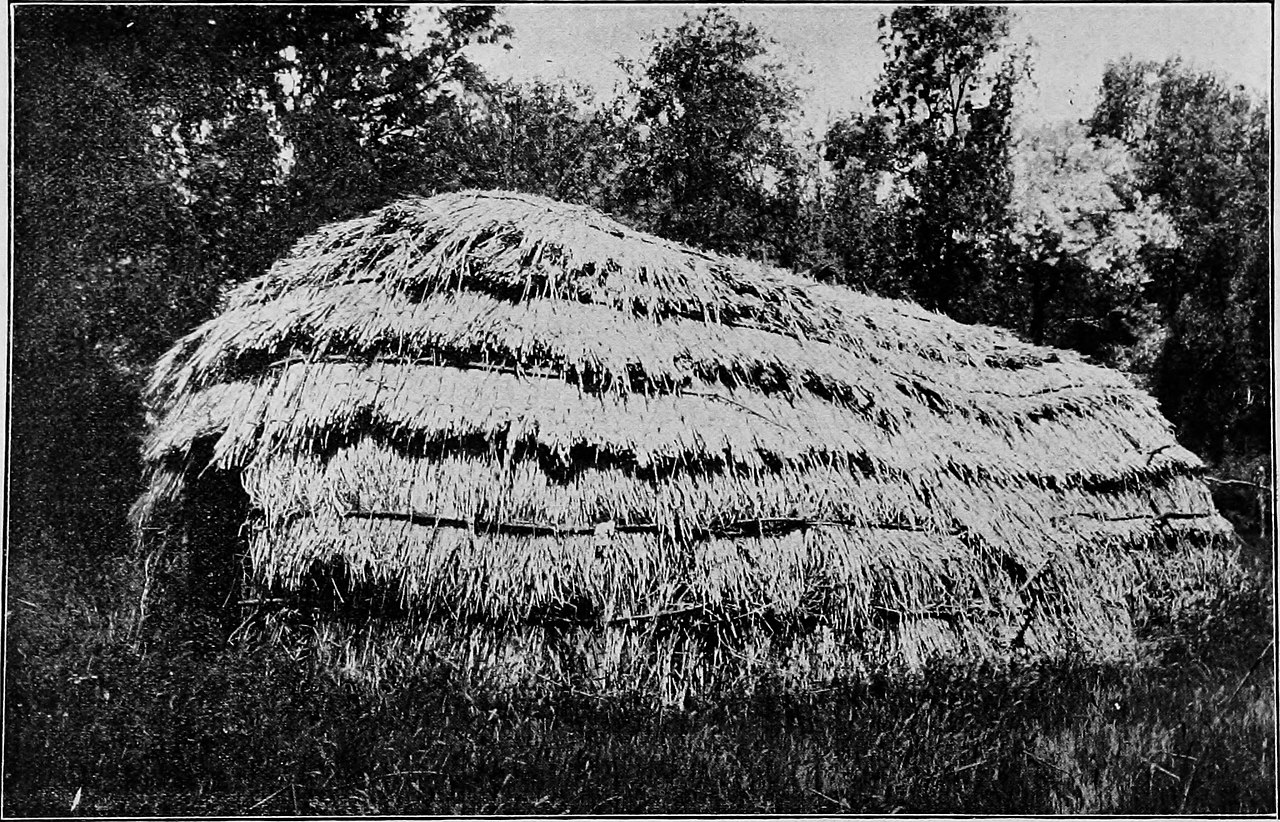
The Pomo are a collection of Indigenous groups native to what is now Northern California, historically concentrated around the Russian River, Clear Lake, and nearby coastal areas. The term "Pomo" is used both for the people and for a family of related languages spoken by distinct communities. Their traditional economy was based on seasonal rounds of fishing, hunting, and gathering, with villages that could range from small hamlets to larger settlements accommodating several hundred residents.
Image gallery
10 Images




Language and divisions
The Pomo language family comprises several distinct but related languages. Broadly recognized branches include Northern Pomo, Northeastern Pomo, Eastern Pomo, Southeastern Pomo, and Kashaya, among others. Each language is associated with particular communities and territories. For linguistic overviews and community resources see Pomo language family and community pages such as language branches. Scholarly and local resources often treat "Pomo" as a collective name for multiple groups rather than a single homogeneous tribe; for introductions to the peoples and their histories see regional summaries and tribal profiles.
Cultural life and economy
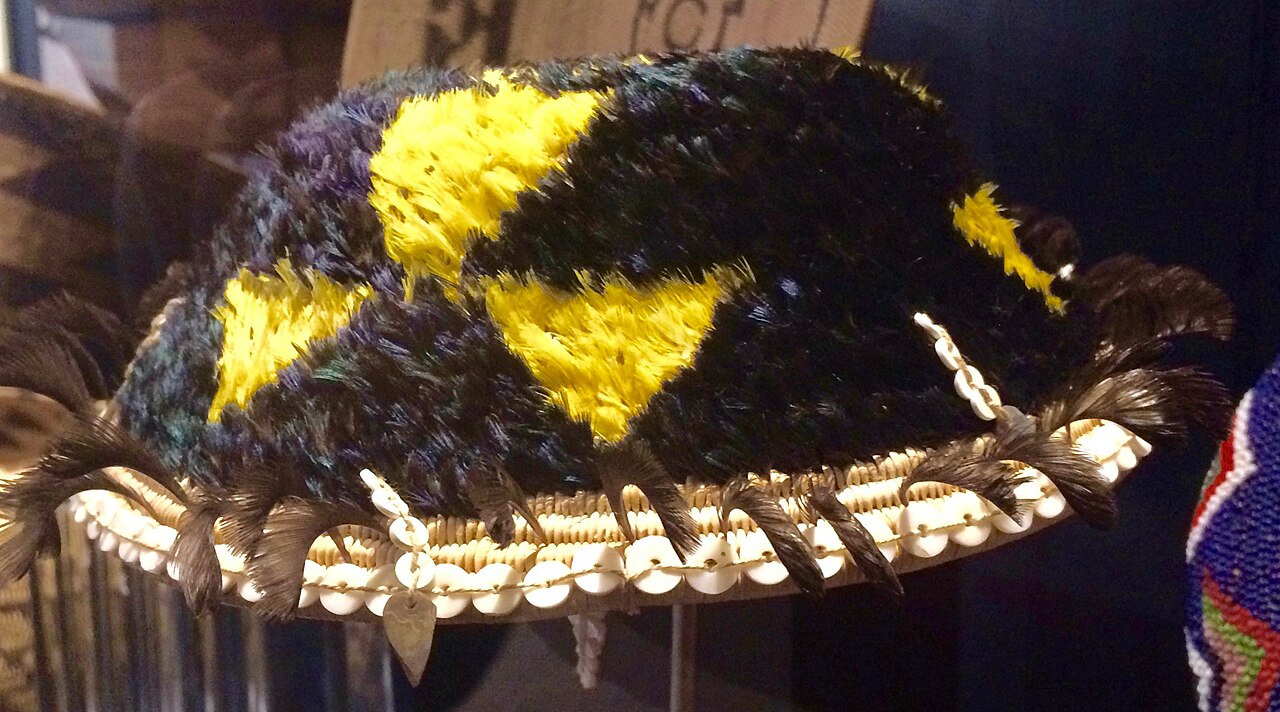
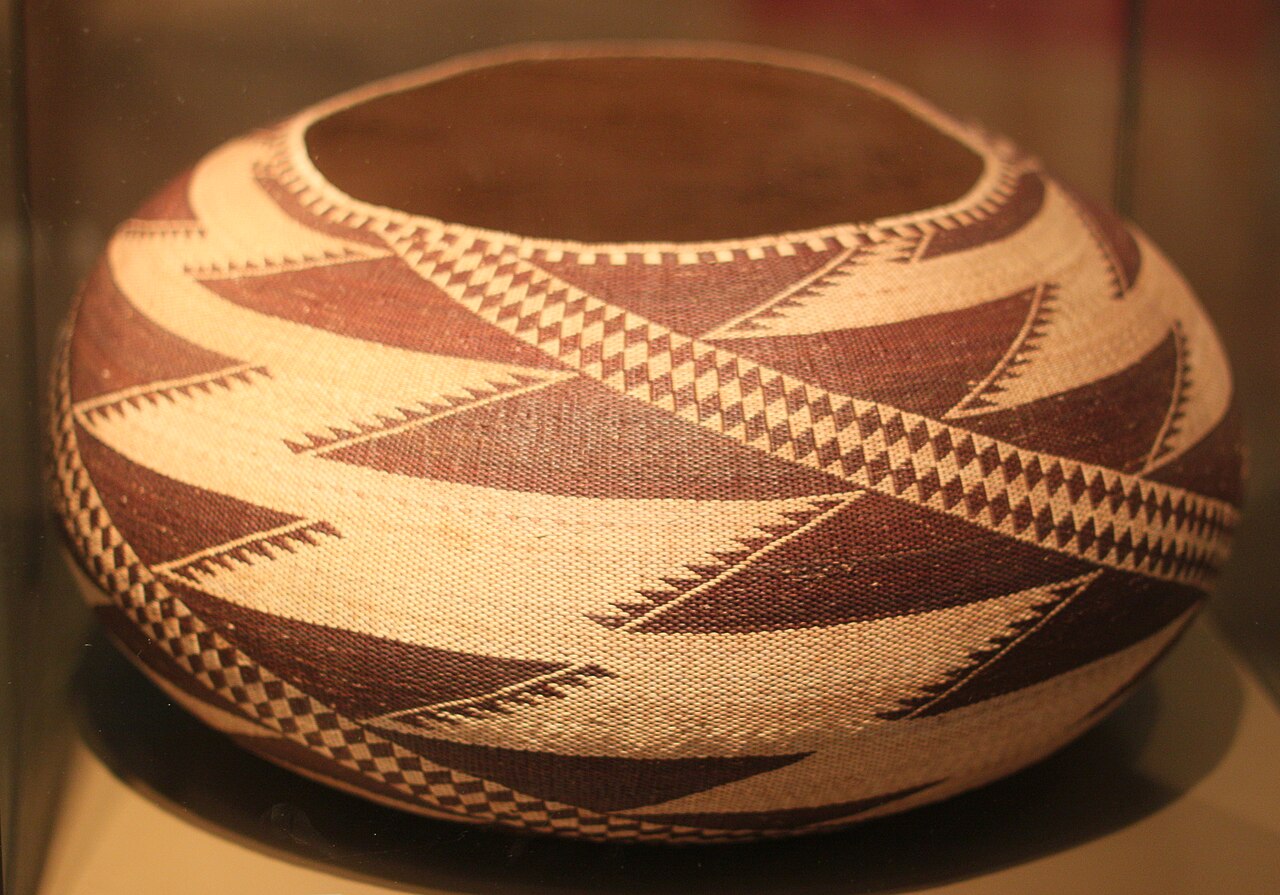
Pomo lifeways emphasized local ecological knowledge. Men typically hunted and fished—salmon and other riverine species were important—while women and children gathered acorns, nuts, seeds, and berries. Many Pomo communities built semi-permanent villages and seasonal camps to follow resource availability. Material culture is widely renowned for elaborately woven baskets, which were made for everyday use and ceremonial purposes and sometimes decorated with feathers, shell beads, or pigments.
History and change
Contact with Euro-American settlers in the 18th and 19th centuries brought dramatic change: displacement, disease, and disruption of traditional economies altered many communities. Despite these impacts, Pomo people preserved knowledge, crafts, and social practices. Today many descendants belong to organized tribal governments and cultural organizations that work on language revitalization, cultural preservation, and legal recognition; for modern initiatives see current programs and advocacy pages such as community resources.
Distinctive features and contemporary significance
- Complex linguistic diversity within a relatively small geographic area.
- Highly developed basketry traditions regarded as fine art by collectors and museums.
- Deep ecological knowledge tied to rivers, lakes, and coastal environments.
- Ongoing cultural revitalization and language teaching in many communities; see language programs.
Understanding the Pomo requires attention to both the diversity of individual communities and the shared cultural practices that connect them. Reliable further reading can be found through local tribal websites, regional cultural centers, and linguistic studies that document the distinct Pomo languages and their revitalization efforts. For curated introductions and resources consult community and academic portals such as tribal information and linguistic references.
Related articles
Author
AlegsaOnline.com Pomo peoples — Native groups and languages of Northern California Leandro Alegsa
URL: https://en.alegsaonline.com/art/77909