
Polish Americans
People in the United States with ancestry from Poland; their history, communities, religion, language, culture, and contributions to American life.
Overview
Polish Americans are people in the United States who trace their ancestry to Poland or to Polish-speaking territories. They form one of the larger European-origin groups in the U.S., maintaining distinctive cultural practices while integrating into American society. Polish immigration has taken place in several waves from the early colonial era through the 20th century and into the present.
Image gallery
10 Images


History and migration
Poles have been present in North America since colonial times, and larger inflows began in the 19th century as people left for economic opportunity or to escape political oppression under partitioning powers. Later waves included arrivals after World War I, refugees and displaced persons after World War II, and migrants following political changes in the late 20th century. These movements produced diverse immigrant experiences shaped by rural peasant origins, urban industrial employment, and differing religious and political backgrounds.
Characteristics and communities
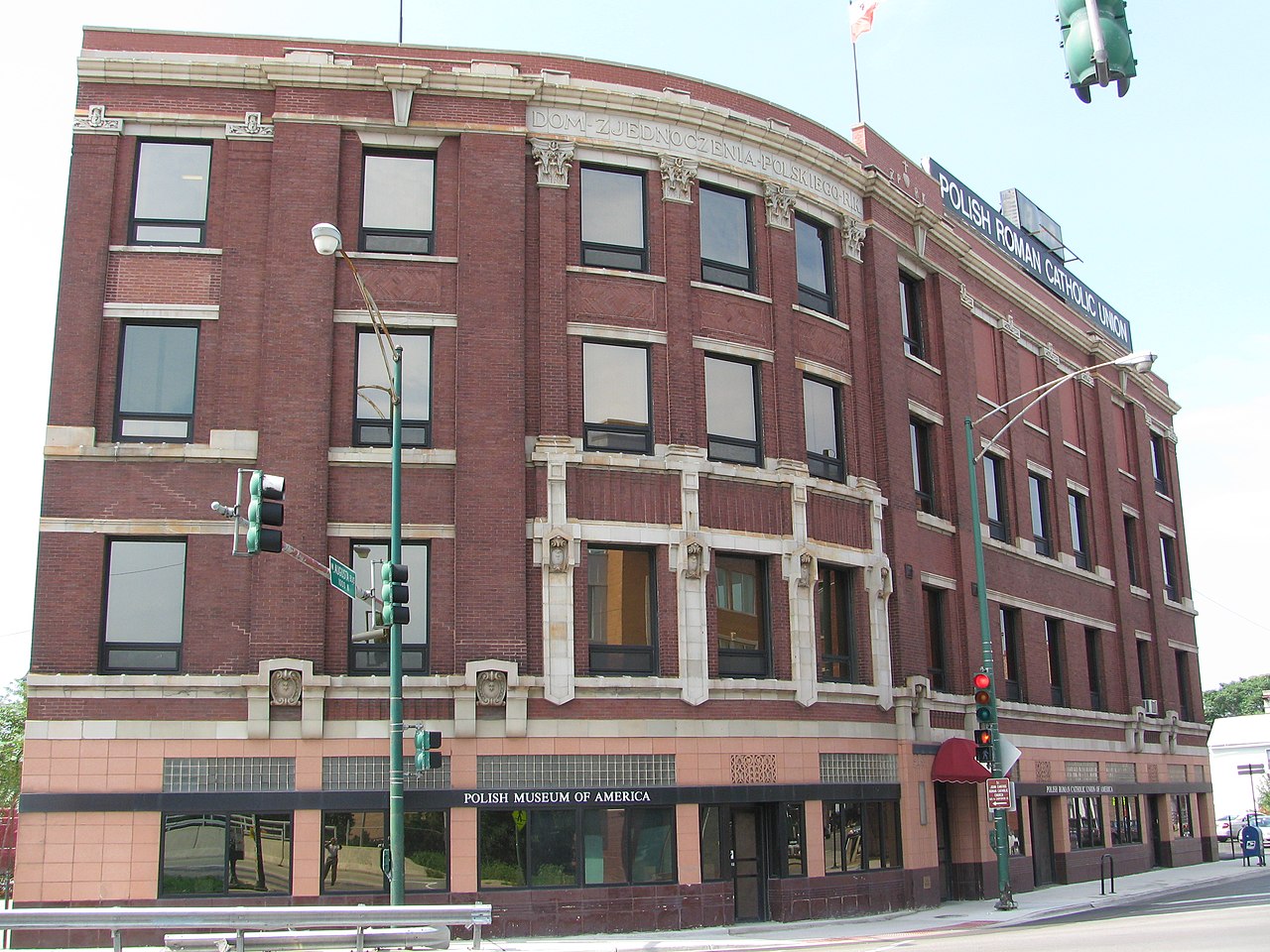
Polish Americans live across the country but are concentrated in certain metropolitan areas. Chicago is famous for its large Polish community; other cities with significant Polish populations include parts of the Northeast and Midwest. Communities often formed around parishes, social clubs, and mutual-aid societies that preserved language, customs, and social networks.
Religion, language, and culture
Religion has played a central role: a majority of Polish immigrants and their descendants have been Roman Catholic, and a sizeable number of Polish immigrants historically practiced Judaism prior to and during early migration waves. Polish-language newspapers, churches, fraternal organizations, folk music, festivals, and cuisine (for example, pierogi and other regional dishes) have helped sustain identity across generations. Language retention declines with later generations, though Polish-language schools and media persist in many communities.
Economic roles and civic life
Many early Polish immigrants found work in manufacturing, mining, and construction, contributing to the industrial growth of American cities. Over generations Polish Americans have moved into diverse occupations, including business, education, public service, and the arts. They have organized politically and culturally through national and local associations, veterans' groups, and cultural institutions that promote heritage and public memory.
Notable distinctions and legacy
- Polish American life reflects both preservation of traditions and adaptation to American norms.
- Polonia organizations and holiday observances—such as parade days and local festivals—remain visible markers of community life.
- The community includes a range of religious, regional, and historical backgrounds, reflecting the complex history of Poland and its borderlands.
For more detailed historical records and community resources, researchers often consult archives, ethnic studies collections, and local cultural centers that document immigration patterns, family histories, and institutional life among Polish Americans.
Related articles
Author
AlegsaOnline.com Polish Americans Leandro Alegsa
URL: https://en.alegsaonline.com/art/77741
Sources
- polishamericancenter.org : "First Polish Settlers"
- npr.org : "Chicago's Polish Community Reels From Plane Crash : NPR"