
Polynesian peoples: origins, culture, and distribution
An overview of the Polynesian peoples: their origins in the Pacific, language family, navigational traditions, cultural traits, and modern communities across islands like Hawaii, Tahiti, Samoa and New Zealand.
Overview
Polynesians are the indigenous peoples of the islands within the region broadly known as Polynesia. They share related languages, ancestral lineages and many cultural practices, yet encompass diverse societies from remote atolls to larger islands. Prominent communities include those of Hawaii, Tahiti, Samoa and the Māori people of New Zealand.
Image gallery
4 Images


Characteristics
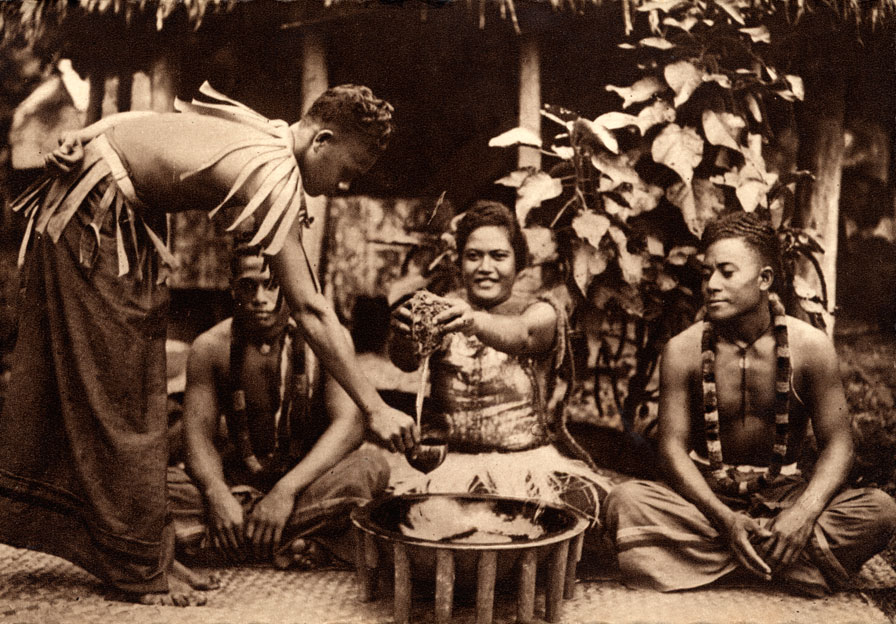
Polynesian cultures are often recognized by shared features that developed through centuries of oceanic migration and island life. Common elements include a family- and kin-based social organization, distinctive art forms such as tattooing and carving, and rich oral traditions of song, chant and storytelling. Many Polynesian societies traditionally organized around chiefly leadership and communal places of ceremony.
Origins and expansion
Polynesian ancestry traces to the wider Austronesian-speaking peoples who moved eastward from Island Southeast Asia and Near Oceania. Archaeological and linguistic evidence shows a pattern of island-hopping settlement that connected Micronesia, Melanesia and Polynesia. Early pottery styles and voyaging remains mark these movements, which produced the widely spaced but culturally connected island communities seen today.
Navigation, language and arts
One of the most notable achievements of Polynesian societies is long-distance voyaging. Skilled navigators used stars, ocean swells, bird behavior and cloud formations to cross vast ocean distances in double-hulled canoes. Languages of Polynesia belong to the Polynesian branch of the Austronesian family and are mutually related to varying degrees. Artistic expressions—dance (for example, hula and other regional forms), carving, weaving and tattooing—play central roles in identity and ceremonial life.
Distribution and distinctions
Geographically, Polynesia is often described as the "Polynesian Triangle," whose corners include Hawaii, Rapa Nui (Easter Island) and New Zealand. Within that space, island groups have developed distinctive adaptations to local environments, from the volcanic landscapes of larger islands to tiny coral atolls. These differences shaped local economies, subsistence strategies and social institutions while retaining linguistic and cultural ties.
Contemporary communities and issues
Today Polynesian peoples live both on their home islands and in urban diasporas. They engage with modern states and global networks while maintaining traditional practices and languages. Contemporary concerns include cultural revitalization, language preservation, land and resource rights, and the impacts of climate change on low-lying atolls. Understanding Polynesian histories and living cultures requires attention to both shared heritage and the distinct experiences of each island community.
- Typical cultural features: voyaging, oral history, tattoo, communal ceremony.
- Notable communities cited: Hawaii, Tahiti, Samoa, Māori of New Zealand.

See also
Related articles
Author
AlegsaOnline.com Polynesian peoples: origins, culture, and distribution Leandro Alegsa
URL: https://en.alegsaonline.com/art/77868