
Lech Wałęsa: Polish labor leader, Solidarity founder and president
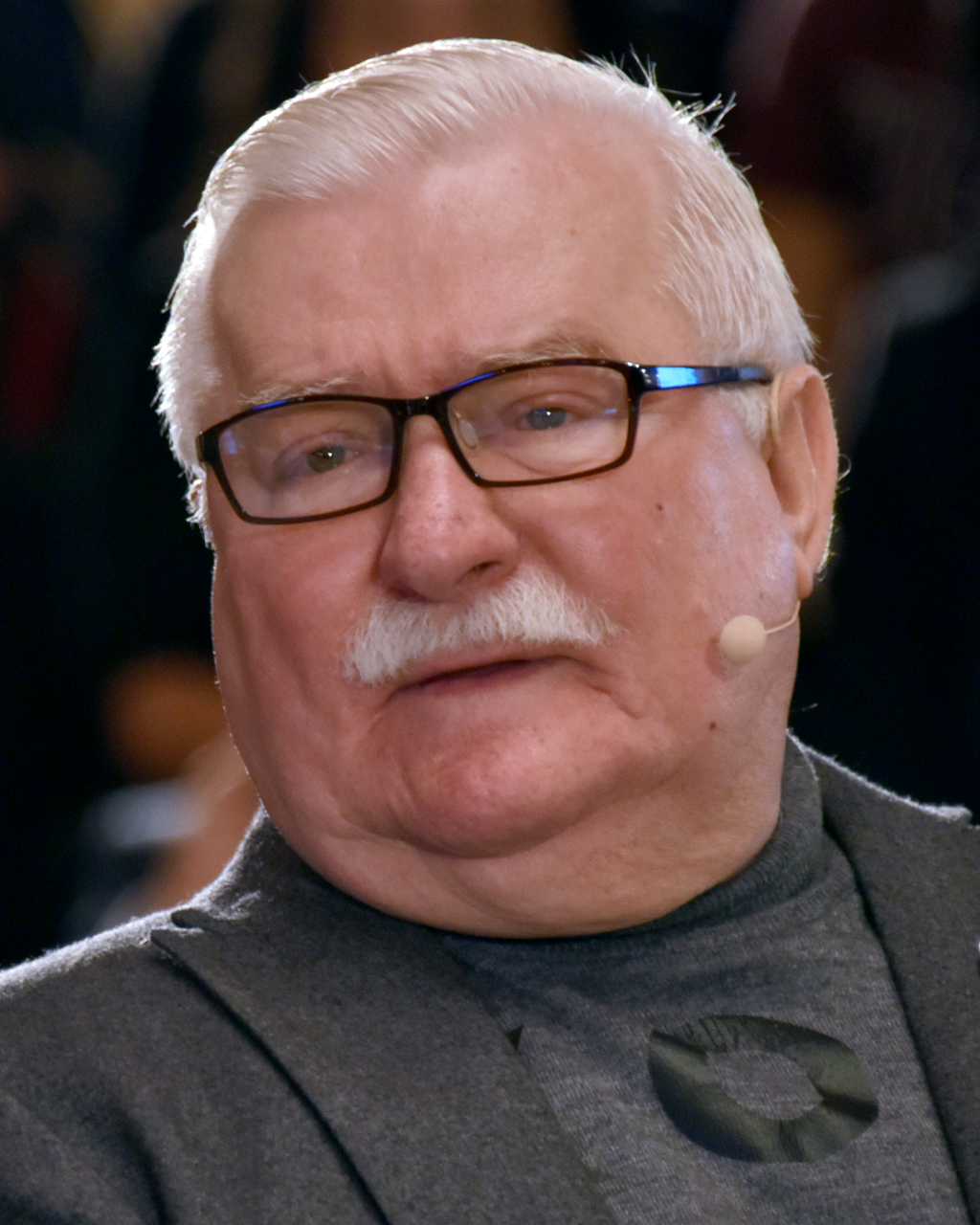
Lech Wałęsa (born 1943) is a Polish trade unionist, Nobel laureate and former president, known for founding Solidarity and helping Poland transition away from communist rule.
Lech Wałęsa is a Polish civic leader, trade union organizer and politician who rose from working-class roots to international prominence. Born on 29 September 1943, he became best known as a founder and public face of the independent trade union Solidarity. His name in Polish orthography is often written with diacritics (Wałęsa), and he is widely remembered for his role in negotiating the end of single-party communist rule in Poland and for serving as the country's president in the early 1990s.
Image gallery
10 Images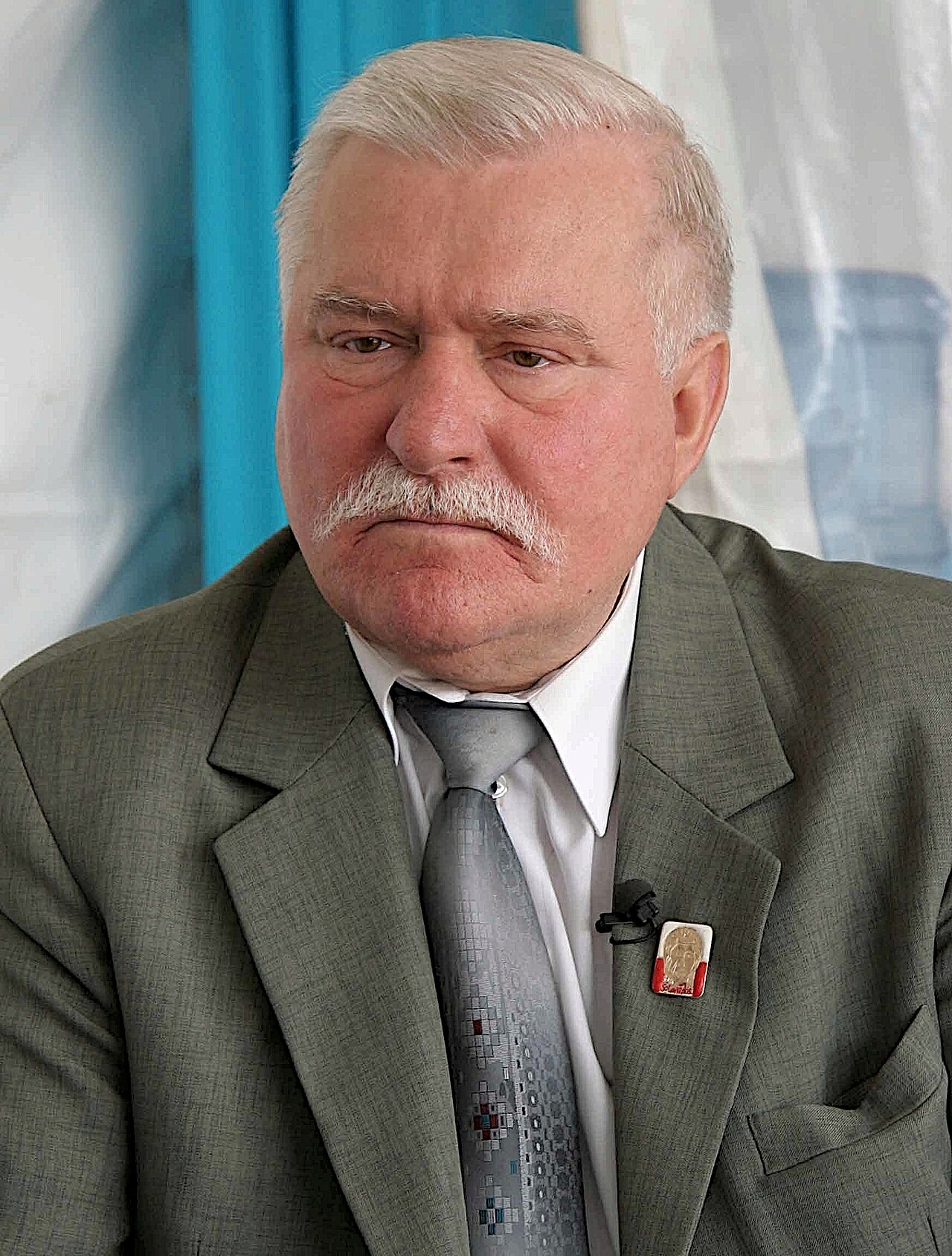





Early life and background
Wałęsa trained and worked as a shipyard worker in Gdańsk, where he became active in workplace activism and local labor grievances. His background as a skilled electrician and organizer shaped his pragmatic approach: he combined on-the-ground workplace experience with growing political awareness about civil rights, labor conditions and freedom of association. Over time he emerged as a recognizable public figure capable of bringing together disparate social groups.
Rise of Solidarity and activism
In the 1980s Wałęsa helped build Solidarity into the first independent, nationwide trade union in the Eastern Bloc. Through strikes, negotiations and mass mobilization, Solidarity pushed for legal reforms, free trade-union activity and broader civic liberties. Wałęsa's public role combined grassroots organizing with diplomatic negotiation, and his leadership made him a symbol of nonviolent resistance to authoritarian rule.
Political leadership and presidency
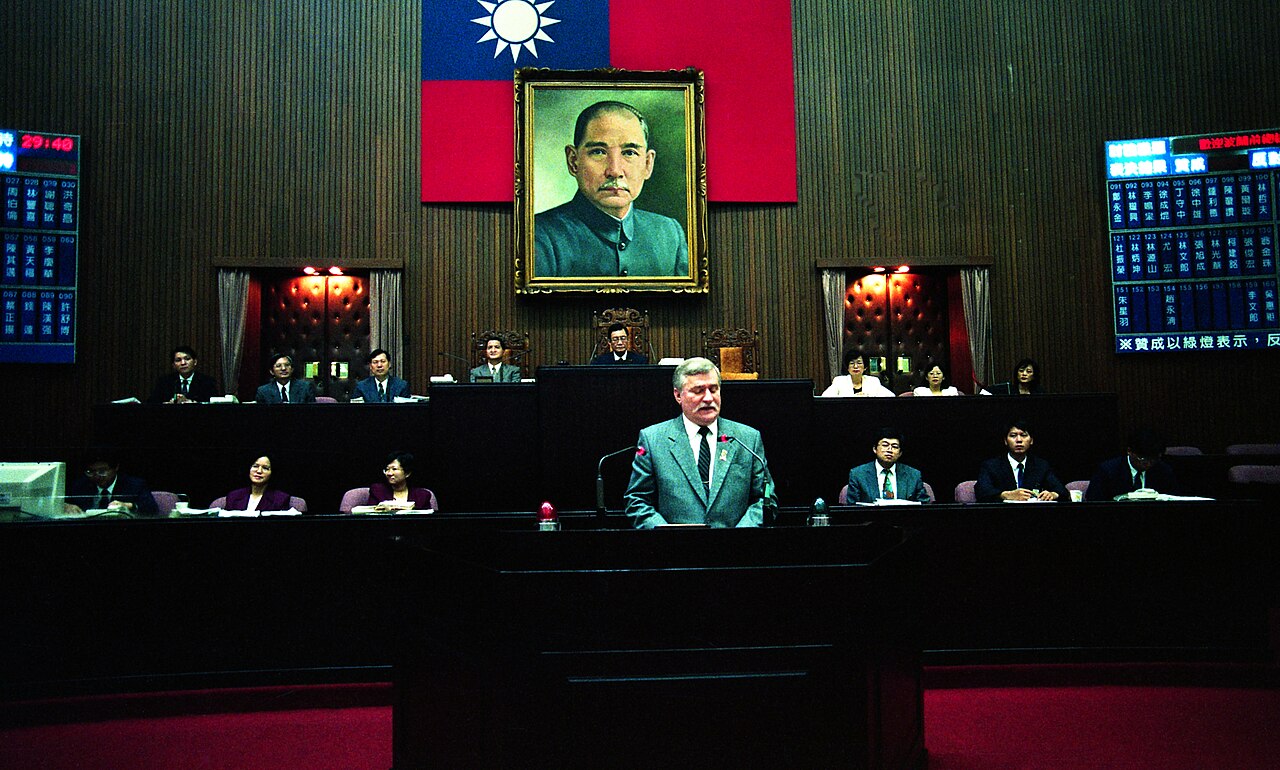
Following the partially free elections that opened the door to change, Wałęsa moved from union leadership into national politics and was elected president of Poland, serving as a Polish politician and head of state from 1990 to 1995. His time in office focused on managing the complex transition from a centrally planned economy to a market-oriented system, while also navigating social and political tensions that accompanied rapid change. Before and after his presidency he remained a public figure and commentator on Polish and international affairs.
Recognition and controversies
For his role in promoting peaceful political change, Wałęsa received international honors, most notably the Nobel Peace Prize. He is also described in many sources as a trade unionist who became a global emblem of workers' rights and popular resistance. His legacy is widely praised for advancing democratic freedoms, though it has also been subject to debate and scrutiny, including disputes over tactics, political choices during the transition period, and later controversies examined by historians and journalists.
Legacy and significance
- Symbol of peaceful opposition to authoritarianism and of the role of organized labor in political change.
- Influence on the broader collapse of communist regimes in Eastern Europe in the late 20th century.
- Ongoing public presence as an elder statesman, with a record that prompts both admiration and critical reassessment.
Wałęsa's life illustrates how workplace organization, public negotiation and sustained civic engagement can alter national trajectories. Readers seeking more detailed biography, primary documents or academic appraisal can consult specialized histories and archival material via resources linked below: Polish sources, biographical timelines, and collections of speeches and interviews available through institutional archives (labor history, political records, union documents, Solidarity archives, awards and citations).
Related articles
Author
AlegsaOnline.com Lech Wałęsa: Polish labor leader, Solidarity founder and president Leandro Alegsa
URL: https://en.alegsaonline.com/art/124145
Sources
- biography.com : biography.com