
Petri dish: design, history, and uses in microbiology and education
A Petri dish is a shallow, cylindrical laboratory dish used to culture microorganisms and cells. This article explains its design, history, common uses, variants, and safety considerations.
A Petri dish is a shallow, cylindrical laboratory vessel used to grow and observe microorganisms, small tissues, or cell cultures. Its simple form—a flat base with a loosely fitting lid—creates a contained, accessible environment for colonies to develop. The dish may be made of reusable glass or single-use clear plastic; both types are widely used depending on the application and biosafety needs. Form and shape are central to its function.
Image gallery
4 Images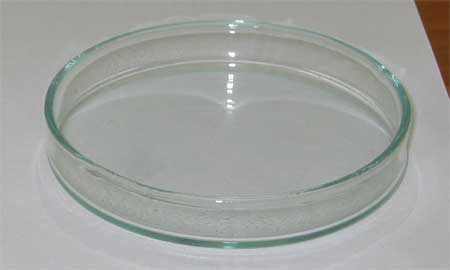


Structure and common materials
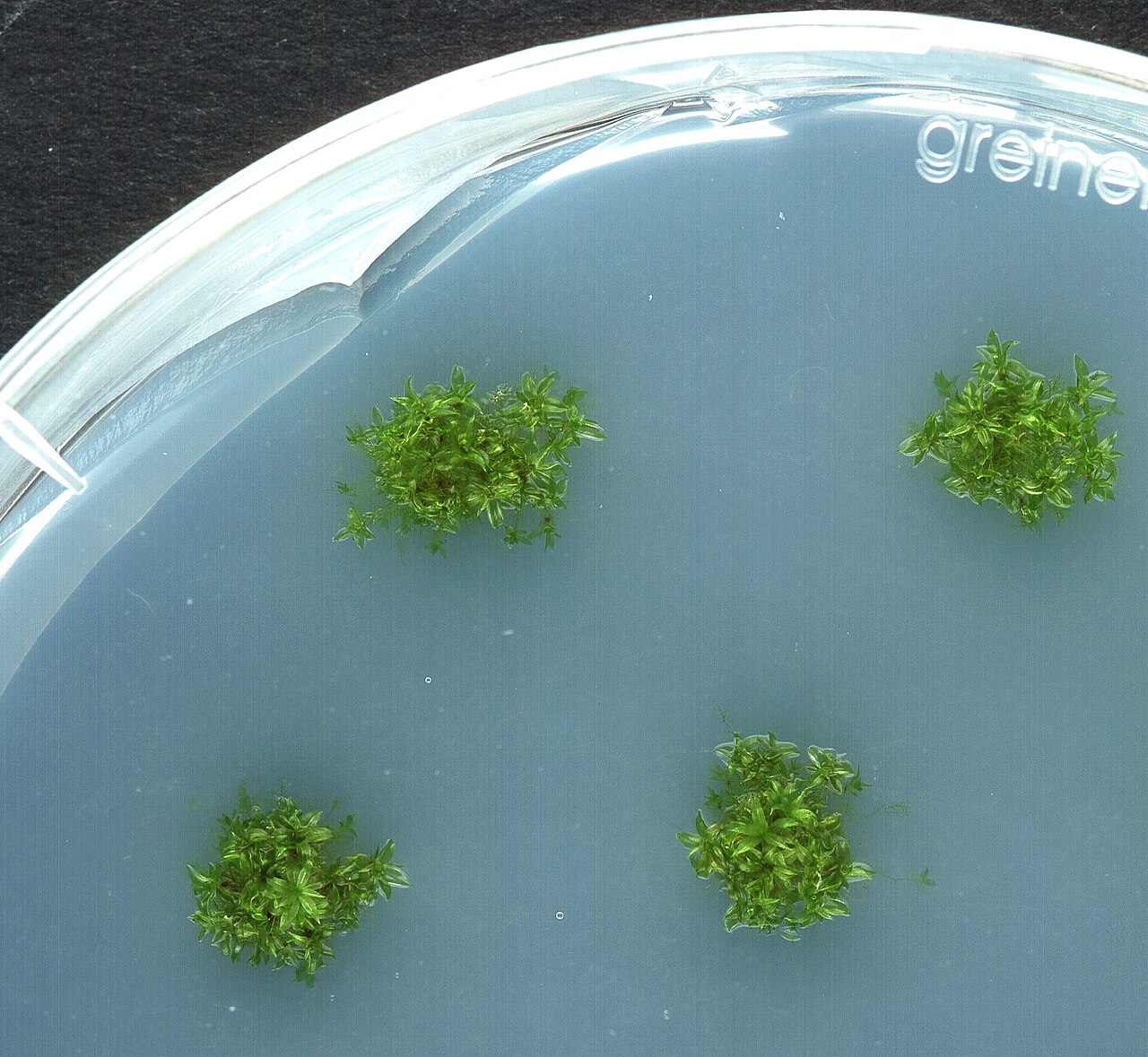
A typical dish has two parts: a flat bottom where a growth medium is placed and a cover that reduces airborne contamination. Many dishes are filled with a gel-like nutrient medium such as agar, which is derived from seaweed and solidifies to support colony growth. Variants include deeper dishes, partitioned plates and multiwell formats for parallel assays. Glass dishes are sturdy and can be cleaned and heat-sterilized for reuse, while plastic dishes are convenient, inexpensive, and often disposed of after a single experiment. Materials and reuse choices affect workflow and cost.
History and naming
The name "Petri dish" honors Julius Richard Petri, a German bacteriologist who popularized this simple plate while working in Robert Koch's laboratory in the late 19th century. The design refined existing culture techniques by providing a flat, covered surface that limited contamination while allowing easy observation and manipulation of colonies. Origins in bacteriology are important to modern microbiology.
Common uses and examples
- Basic microbiology: isolating and counting colonies, performing streak plates and observing colony morphology.
- Clinical and food safety testing: culturing pathogens from patient samples or food swabs to identify contaminants.
- Research and education: growing fungi, bacteria, and simple tissue cultures for study in classrooms and laboratories.
- Assays and screening: testing antibiotic susceptibility, environmental monitoring, and small-scale experiments.
Practical examples include using an agar plate to grow yeast or bacteria, or employing specialized media to encourage growth of particular organisms. Dishes help scientists perform controlled comparisons and visualize results that would be difficult to measure otherwise. Fungal cultures and environmental swabs are often examined in this way.
Preparation, incubation and safety
Preparing a culture plate typically involves pouring sterile medium into the dish under aseptic conditions, allowing it to solidify, then introducing the specimen. Plates are incubated at temperatures suitable for the organism under study and monitored until colonies form. Because cultures may contain potentially harmful microbes, appropriate biosafety measures are essential: work in designated spaces, use protective equipment, and properly sterilize or dispose of plates after use. Laboratories follow standard protocols for decontamination and handling pathogens.
Variations and notable distinctions
Petri dishes are one of several culture vessels. Alternatives include flasks, tubes, and multiwell plates used for tissue culture or higher-throughput assays. Differences in medium composition, surface treatment, and dish geometry influence how cells grow and how experiments are interpreted. Educational kits and classroom exercises commonly use safe, non-pathogenic strains so students can learn techniques without special containment; this practice illustrates the dish's value in teaching basic microbiology. For further technical references and protocols, see available resources on laboratory practice, sterilization methods, and media preparation. Glass dishes, plastic dishes, sterilization, agar, science education, school labs, and contamination control measures are all relevant topics.
Related articles
Author
AlegsaOnline.com Petri dish: design, history, and uses in microbiology and education Leandro Alegsa
URL: https://en.alegsaonline.com/art/76221