
Pathogen — agents that cause infectious disease
Overview of pathogens: definitions, types (viruses, bacteria, fungi, parasites), mechanisms of disease, host defenses, historical outbreaks, plant pathogens, and prevention and control.
A pathogen is any biological agent that can produce disease in another organism. Common categories of pathogens include viruses, bacteria, fungi and parasites; each group has distinct structures, life cycles and strategies for infecting hosts. The ability of a microorganism to cause disease is called pathogenicity, while the degree of damage it produces is described as virulence. Pathogens may act directly, for example by damaging cells, or indirectly, by provoking harmful immune responses or by releasing toxins.
Image gallery
6 Images

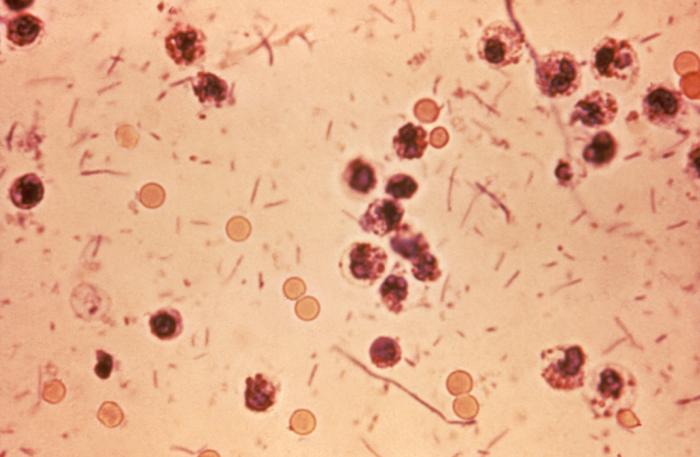
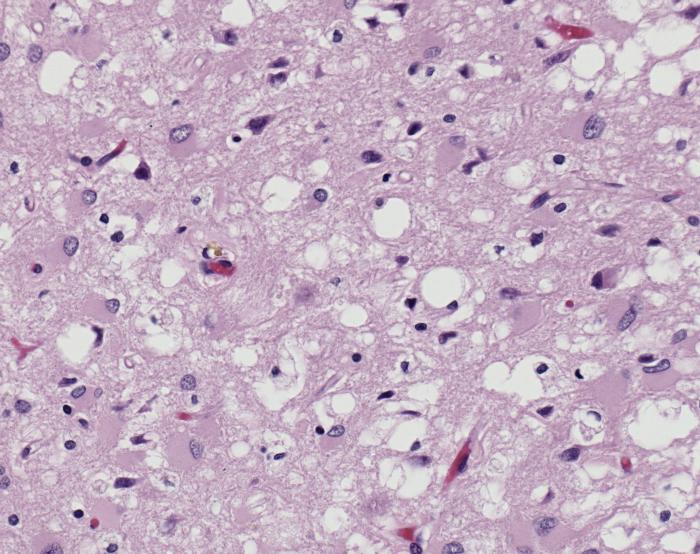

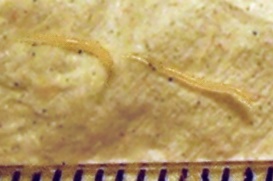
Types of pathogens
- Viruses are composed of genetic material enclosed in a protein coat and require host cells to replicate. They range from simple RNA viruses to more complex DNA viruses and can cause acute or chronic illnesses; introductory material: virus overview.
- Bacteria are single-celled organisms with varied metabolisms and lifestyles. Many are harmless or beneficial, but pathogenic species can invade tissues, secrete toxins, or trigger destructive inflammation: bacterial biology.
- Fungi include yeasts and molds that can infect skin, nails, lungs or crops; in plants, fungal agents are a major cause of disease: fungal pathogens.
- Parasites and protozoa are organisms that live on or within a host, often with complex life cycles; they include helminths (worms) and single-celled protozoa such as those that cause malaria: protozoa and parasites.
Not all microorganisms are harmful. Many bacterial species form a normal microbiota that aids digestion, blocks colonization by pathogens and contributes to immune development. Disruption of this balance, for example by antibiotics or medical treatment, can permit normally controlled organisms to become opportunistic pathogens. General context for disease terms: disease definitions.
Mechanisms of disease
Pathogens use a variety of mechanisms to establish infection: attachment to host cells, evasion of immune defenses, invasion of tissues, production of toxins and modulation of host responses. Some pathogens remain localized, while others disseminate through blood or lymph. Secondary infections may follow primary damage; for example, bacterial pneumonia commonly complicates severe viral respiratory infections. Information on complications: secondary infection and pneumonia.
Host defenses and opportunistic infections
The host resists infection through physical barriers (skin, mucous membranes), innate immunity (phagocytic cells, complement, inflammatory responses) and adaptive immunity (B and T lymphocytes, antibodies). Vaccination and hygiene strengthen these defenses. When immunity is weakened—by diseases such as HIV, by medical treatments such as chemotherapy, or by disruption of the normal flora—opportunistic infections can occur. Overview of the immune system: immune system basics. Human microbiota discussion: normal human flora.
Epidemiology and historical impact
Some pathogens have caused epidemics and pandemics with profound social and demographic effects. Historic examples include plague caused by Yersinia pestis, associated with the medieval Black Death, and smallpox caused by the Variola virus. The 1918–1919 influenza (an H1N1 strain) is notable for its exceptionally high global mortality and for causing severe respiratory complications and secondary bacterial pneumonias; summaries and studies: 1918 pandemic study and pandemic summaries. Overviews of epidemic concepts and control measures: epidemic overview.
Pathogens in agriculture and ecology
Pathogens also affect animals and plants, altering ecosystems and food production. Plant pathologists focus on fungal, bacterial and viral agents that cause rusts, blights, wilts and other crop losses. Animal and zoonotic diseases—those that cross between animals and humans—are a major source of emerging infections. Controlling pathogens in agriculture involves integrated measures including resistant crop varieties, sanitation and targeted treatments. For plant disease context: fungal and plant pathogens.
Prevention, detection and control
Effective control of pathogenic disease combines prevention (vaccination, clean water, vector control, food safety), early detection (surveillance, laboratory diagnostics) and appropriate treatment (antimicrobials, antiparasitics, antifungals, supportive care). Challenges include antimicrobial resistance, the emergence of new pathogens, and the need for global surveillance and public health infrastructure. Practical guidance on complications and severe infection management: complications of severe infections and details on respiratory injury such as pulmonary oedema: lung injury in infections.
Research, surveillance and public health
Research into pathogen biology, host responses, vaccines and diagnostics underpins modern public health. Surveillance systems monitor trends and detect outbreaks early; rapid response limits spread. Understanding carrier states, asymptomatic infection and transmission dynamics remains central to outbreak control. Foundational topics and references: general pathogen definitions, Black Death history, and plague bacterium information.
Further reading and resources
- General pathogen definitions and scope
- Basic virology and virus life cycles
- Bacterial diversity and mechanisms of bacterial disease
- Fungal pathogens in humans and plants
- Key disease and clinical terminology
- Human immune system: innate and adaptive immunity
- Human microbiota and the concept of normal flora
- How chemotherapy and other treatments affect infection risk
- HIV, immune suppression and opportunistic infections
- Epidemiology: outbreaks, epidemics and pandemics
- Yersinia pestis and plague
- History and impact of the Black Death
- Protozoan parasites such as malaria
- Primary sources on the 1918 influenza pandemic
- Summaries of major influenza pandemics
- Clinical complications from severe infections
- Secondary bacterial infections and pneumonia
- Pathophysiology of lung injury and oedema
Understanding pathogens requires integrating microbiology, immunology, ecology and public health policy. Ongoing advances in laboratory science, vaccination, antimicrobial stewardship and global cooperation continue to reduce the burden of infectious disease, but vigilance is required to address antimicrobial resistance and the constant risk of emerging pathogens.
Related articles
Author
AlegsaOnline.com Pathogen — agents that cause infectious disease Leandro Alegsa
URL: https://en.alegsaonline.com/art/75003
Sources
- books.nap.edu : "1: The Story of Influenza"
- pubmed.ncbi.nlm.nih.gov : 2021692
- www3.interscience.wiley.com : "A History of Influenza"
- doi.org : 10.1046/j.1365-2672.2001.01492.x
- pubmed.ncbi.nlm.nih.gov : 11576290
- ncbi.nlm.nih.gov : "Integrating historical, clinical and molecular genetic data in order to explain the origin and virulence of the 1918 Spanish influenza virus"
- doi.org : 10.1098/rstb.2001.1020
- ncbi.nlm.nih.gov : 1088558
- pubmed.ncbi.nlm.nih.gov : 11779381