
Phototroph — organisms that use light to make organic matter
Phototrophs are organisms that capture light energy to synthesize organic compounds from inorganic sources, driving primary production and supporting most ecosystems on Earth.
Phototrophs are organisms that obtain energy from light to synthesize organic compounds. Broadly speaking, the term covers photoautotrophs — organisms that use light to convert inorganic carbon into sugars — and related groups that harness light for energy. The defining process is photosynthesis, a biochemical pathway that transforms light, carbon dioxide and water into chemical energy.
Image gallery
2 Images
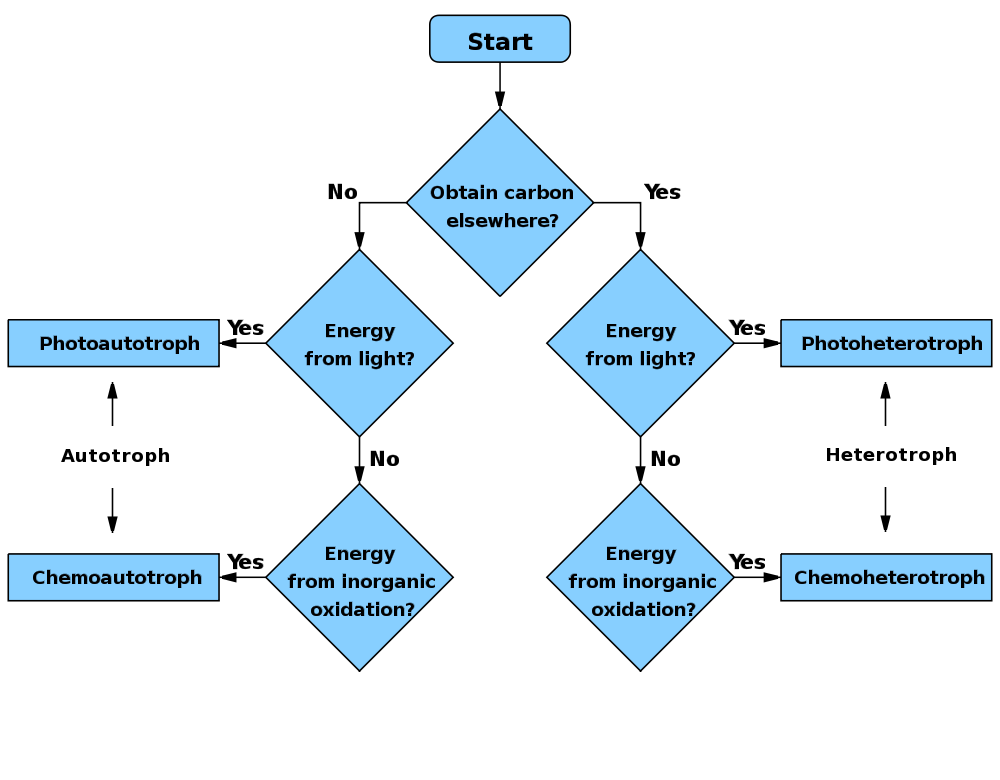
How phototrophy works
At the cellular level, phototrophs rely on light-absorbing pigments and specialised structures. In plants, algae and some protists these pigments are located in plastids such as chloroplasts. Light provides energy and is captured by pigments; the energy of sunlight drives electron transfers that produce ATP and reducing power. Those products are then used to fix carbon dioxide into simple sugars, often with electrons derived from water.
Products and cellular roles
The immediate product of CO2 fixation is typically a sugar which can be transformed into many other organic molecules, including starches, lipids and structural polymers. These compounds supply building blocks and energy for cellular functions, for example by fueling respiration in cells that break down organic matter to release usable energy.
Types and examples
- Oxygenic phototrophs: plants, algae and cyanobacteria carry out oxygen-producing photosynthesis using water as an electron donor.
- Anoxygenic phototrophs: some bacteria use alternative electron donors and do not release oxygen; their photochemistry differs from that in chloroplasts.
- Mixotrophs and photoheterotrophs: organisms that combine light capture with uptake of organic compounds from the environment.
Ecology, evolution and importance
Phototrophs form the base of most ecosystems by converting inorganic carbon into food that supports higher trophic levels. The evolution of oxygenic phototrophy profoundly altered Earth's atmosphere and enabled aerobic life. Phototrophs are central to global cycles of carbon and oxygen and underpin agriculture, fisheries and many biotechnologies.
Notable points: the word phototroph derives from Greek roots meaning "light" and "nourishment"; while many phototrophs are familiar plants, the group also includes diverse microbes with varied pigments and biochemical strategies. For further reading about definitions and classifications see introductory resources on phototrophs and reviews of photosynthesis, cellular organelles such as plastids, and the roles of energy, sunlight, carbon dioxide and water in primary production. Primary metabolic outputs like sugar and other organic molecules support cellular functions including respiration.
Related articles
Author
AlegsaOnline.com Phototroph — organisms that use light to make organic matter Leandro Alegsa
URL: https://en.alegsaonline.com/art/76613