
Pharmacokinetics: Principles of How the Body Processes Drugs
Pharmacokinetics studies how drugs enter, move through, and leave the body. It covers absorption, distribution, metabolism, excretion, key parameters, models, clinical implications and its relation to pharmacodynamics.
Pharmacokinetics is the scientific study of what the body does to a drug: how a chemical substance is absorbed, distributed, transformed and eliminated. As a core area within pharmacology, it quantifies the relationships between administered dose and concentrations in blood and tissues, and thereby helps predict onset, intensity and duration of effect. Pharmacokinetics complements pharmacodynamics, which describes the drug's effects on the body.
Image gallery
2 Images
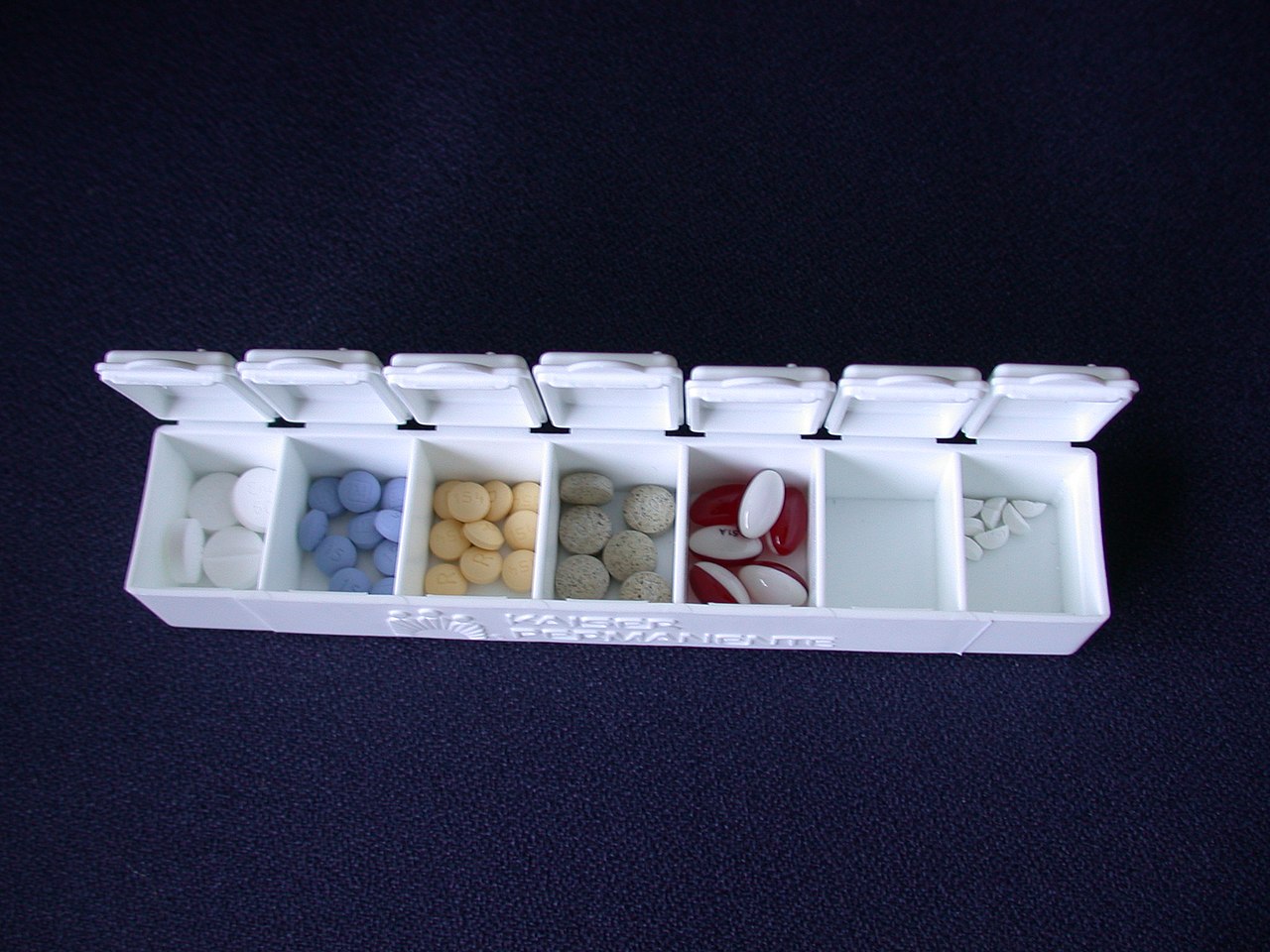
Core processes (ADME)
The main pharmacokinetic processes are often summarized by the acronym ADME:
- Absorption — movement of a drug from its site of administration into the bloodstream. Route (oral, intravenous, inhaled, transdermal) and formulation influence the rate and extent of absorption.
- Distribution — transfer of the drug between blood and tissues; influenced by blood flow, tissue permeability, plasma protein binding and the drug's chemical properties.
- Metabolism — biochemical modification, primarily by liver enzymes, that can activate, deactivate or prepare compounds for elimination.
- Excretion — removal of drug or metabolites from the body, mainly via urine or bile, but also by expired air, sweat or feces.
Key parameters and models
Pharmacokinetics uses measurable parameters to describe drug handling. Important terms include half-life (time for concentration to fall by half), clearance (volume of plasma cleared of drug per unit time), bioavailability (fraction of dose reaching systemic circulation) and volume of distribution (a conceptual volume relating amount of drug to concentration). Models range from simple one-compartment descriptions to multi-compartment or physiologically based models that reflect organ-specific kinetics.
History and development
The field matured in the 20th century as analytical chemistry and clinical pharmacology advanced. Early discoveries about drug metabolism and enzyme systems led to modern dosing principles, therapeutic drug monitoring and regulatory requirements for pharmacokinetic studies during drug development.
Clinical importance and distinctions
Pharmacokinetic knowledge guides dose selection, interval timing, route choice and adjustments for age, organ function or drug interactions. It explains why two drugs with similar effects may require different dosing schedules and why therapeutic monitoring is essential for narrow therapeutic index agents. Unlike pharmacodynamics, which explains the relationship between concentration and effect, pharmacokinetics explains concentration over time — together they determine clinical response.
For further reading on foundational concepts and methodology see general resources in pharmacology and drug science: drug concepts, substance disposition.
Questions and answers
Q: What is pharmacokinetics?
A: Pharmacokinetics is a branch of pharmacology that studies what the body does to a drug.
Q: What does pharmacokinetics look at?
A: Pharmacokinetics looks at how a substance enters, moves through, and exits the body.
Q: What is the relationship between pharmacokinetics and pharmacodynamics?
A: Pharmacokinetics is closely related to another branch of pharmacology, pharmacodynamics, which describes how a drug affects the body.
Q: What does pharmacokinetics relate to?
A: Pharmacokinetics relates how the dose delivered affects the concentration within the body.
Q: What is the importance of studying pharmacokinetics?
A: Studying pharmacokinetics is important because it provides information on how to optimize drug therapy, anticipate drug interactions, and minimize drug toxicity.
Q: What is the significance of pharmacokinetics in drug development?
A: Pharmacokinetics is significant in drug development because it helps in understanding the kinetics of drug absorption, distribution, metabolism, and elimination.
Q: Can pharmacokinetics be used in personalized medicine?
A: Yes, pharmacokinetics can be used in personalized medicine by tailoring the dose and route of administration based on an individual's pharmacokinetic profile.
Related articles
Author
AlegsaOnline.com Pharmacokinetics: Principles of How the Body Processes Drugs Leandro Alegsa
URL: https://en.alegsaonline.com/art/76344