
Pheromone
A pheromone is a chemical signal emitted by an animal that triggers specific behavioral or physiological responses in conspecifics; important in insects, vertebrates and human research.
Overview
A pheromone is a chemical signal released by an individual that elicits a predictable behavioral or physiological response in other members of the same species. These signals function as an efficient form of social communication across many animal groups. For a concise definition and biological context see related entry.
Image gallery
5 Images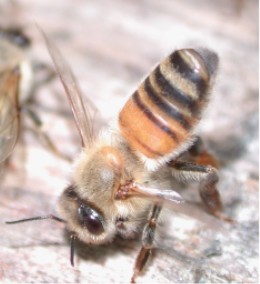


Chemical nature and detection
Pheromones are typically small molecules or mixtures that can be volatile or nonvolatile: simple alcohols, aldehydes, fatty-acid derivatives, steroids or short peptides. Detection is commonly through olfactory organs—antennae in insects or nasal/chemosensory systems in vertebrates. Some species use a specialized vomeronasal organ for pheromone sensing, although its role varies between groups and is debated in humans. The pathways from detection to response are largely innate and shaped by genetics and development, rather than learned behavior; see discussions of inherited signaling here and learning contrasts here.
Types and examples
- Sex pheromones — chemicals that attract mates or stimulate courtship; classic examples include moths and butterflies that release powerful sex attractants over distance (example).
- Alarm pheromones — signals produced under threat that warn or mobilize a group; many social insects and some vertebrates use these (example).
- Trail or food-marking pheromones — short-lived markers that guide conspecifics to resources, as seen in ants and some bees (example).
- Territorial and marking pheromones — longer-lasting chemicals used to mark range or social status, common in mammals like cats and dogs (example).
- Primer vs. releaser pheromones — releasers cause immediate behavioral changes; primers produce slower, endocrine or developmental effects across the group.
History and evolutionary role
The term "pheromone" dates from mid-20th century entomological and chemical ecology research and has been refined as analytical methods improved. Pheromonal communication likely evolved because chemical cues are reliable in many environments and can persist or travel efficiently. They play central roles in mating systems, social cohesion, alarm and resource exploitation, and are especially prominent in insects, where chemical signaling dominates many ecological interactions (insect communication).
Applications and human relevance
Understanding pheromones has practical uses. In agriculture and pest control, synthetic pheromones serve as monitoring lures, mass-trapping agents or mating-disruption tools for insect pests. Conservationists sometimes use pheromone baits to survey rare species. There is ongoing research into mammalian and human chemosignals for medicine, behavior and product development, but claims about strong, direct effects on human attraction or mood should be treated with caution and tested experimentally (research overview).
Notable distinctions and facts
Not all chemical communication between species qualifies as pheromonal; chemicals that benefit the receiver but harm the emitter, or that act between species, are given other names (e.g., kairomones or allomones). Responses to pheromones are often species-specific and genetically encoded, which makes them valuable tools for studying evolution, neurobiology and ecology. For further reading and comparative treatments see territorial studies, trail-marking research and additional resources on social signaling (courtship, alarm, general overview, insects).
Related articles
Author
AlegsaOnline.com Pheromone Leandro Alegsa
URL: https://en.alegsaonline.com/art/76370