
School — institutions for organized learning and instruction
An overview of schools: purpose, structure, common subjects, types (primary, secondary, vocational, special, graduate), historical development, and social importance.
Overview
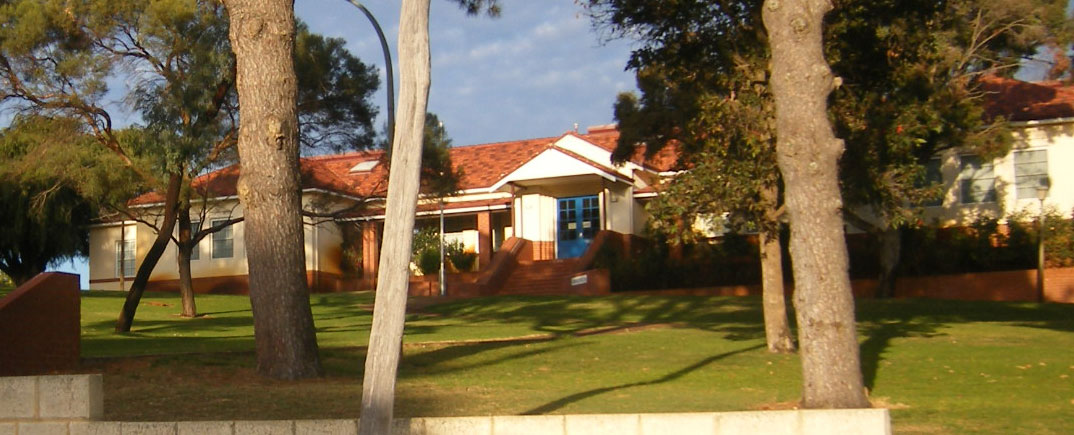
A school is an organized setting for learning in which students meet teachers and follow a planned curriculum. Schools provide a structured educational environment where core skills such as reading, writing and mathematics are introduced and developed alongside broader knowledge. They may operate at many levels, from early childhood programs to institutions that offer advanced degrees, and they exist in public, private and community forms.
Image gallery
10 Images




Structure and daily life
Most students spend the majority of their school day in classrooms, workshops or laboratories under the guidance of one or more teachers. In early grades a single teacher often covers multiple subjects; in later grades instructors typically specialize and teach particular disciplines. Typical subject areas include:
- Science: basic natural sciences and laboratory work (science).
- Language and arts: literacy, composition and creative subjects such as arts and music.
- Humanities: studies of people and cultures, for example humanities, geography and history.
- Practical and vocational subjects: career-focused skills and technical training.
Types of schools and pathways
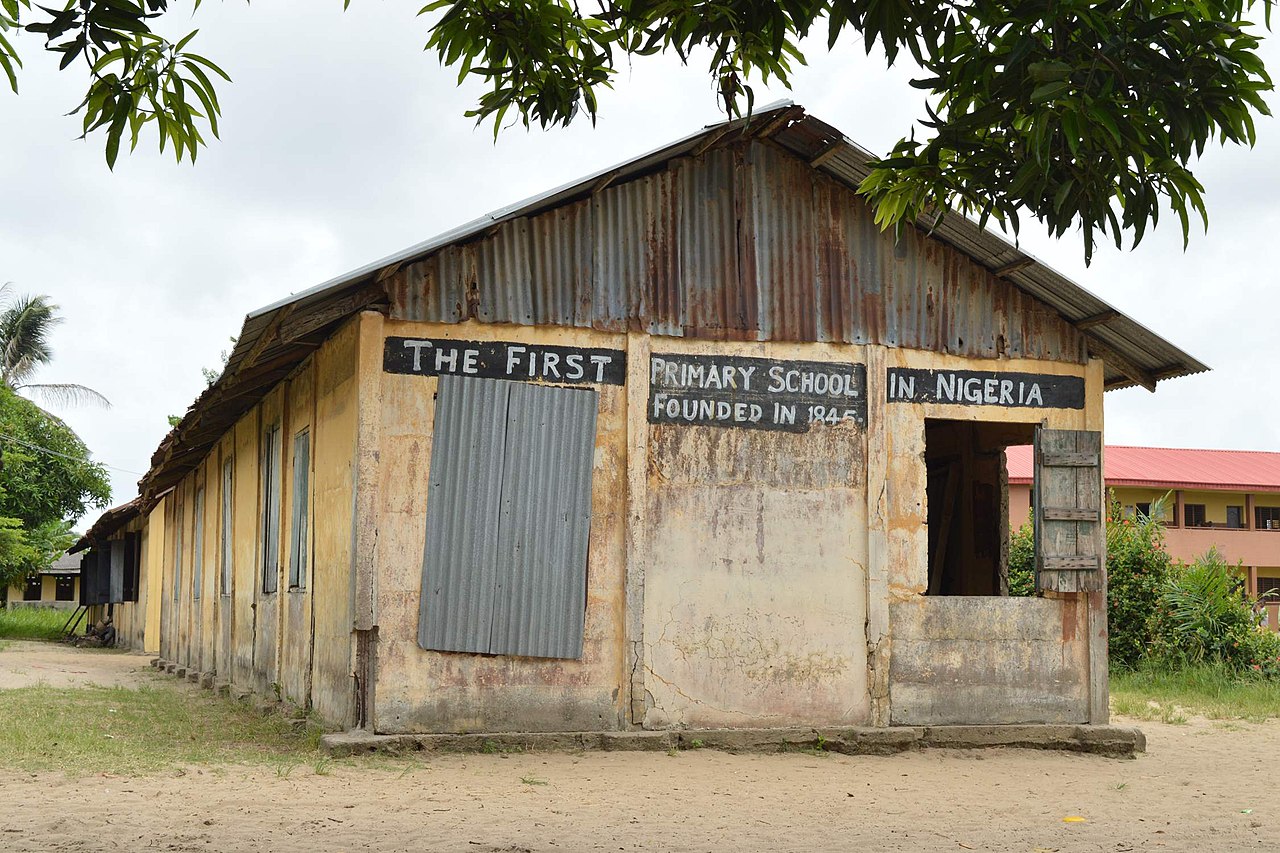
The word "school" covers many forms of instruction. In some regions—especially in North America—the term is broadly applied to institutions at different levels. Common categories include primary or elementary schools (called primary in some countries), middle and secondary schools, and institutions that follow secondary study such as colleges. Vocational schools prepare students for specific jobs and trades, while graduate schools within universities offer advanced study after a first degree, often culminating in Masters or doctoral qualifications.
Compulsory education, inclusion and special provision
Many countries require that children attend school for a defined portion of their youth; the ages and duration vary by jurisdiction. Schools increasingly provide a range of services beyond instruction, including social support, health checks and extra-curricular activities. Students with specific learning needs or developmental conditions, for example those on the autism spectrum (autism), may be served in specialized settings or with tailored programs that aim to include them in mainstream education where appropriate.
History and development
Formal schooling has ancient roots but became widespread and standardized in many regions during the 19th and 20th centuries with the spread of public systems, compulsory laws and teacher training. Over time, curricula diversified and methods evolved from rote instruction to approaches that value critical thinking, collaboration and technology. The balance between general education and vocational preparation has shifted with economic needs, leading to a broader range of institutions and qualifications.
Importance and notable distinctions
Schools serve multiple social functions: they transmit knowledge and civic values, support social mobility, and prepare individuals for adult roles. Distinctions among institutions—public versus private, academic versus vocational, mainstream versus special schools—reflect different aims and resources. In higher education, progression from colleges to graduate programs marks transitions from broad undergraduate study to specialized research or professional training. Educational systems continue to adapt to changing knowledge, labor markets and social expectations, while remaining central to personal and collective development.
For further information about particular aspects of schooling, see resources on classrooms, curriculum development and educational policy (policy examples) or consult guides to specific school types and stages such as primary schools and other levels.
Additional reading and resources are available from agencies and educational organizations (reading materials, writing guides, math resources, learning environment studies).
Questions and answers
Q: What is a school?
A: A school is an educational environment where children go to learn from a teacher.
Q: What topics are central to education in schools?
A: Topics such as reading, writing and mathematics are central to education in schools.
Q: How many students are typically in a classroom in primary schools?
A: In the United States, the average number of students per classroom in primary schools is 23.1.
Q: Are there different types of schools?
A: Yes, there are different types of schools including elementary schools (primary in the UK), middle schools (secondary in the UK), and so on.
Q: Is learning only done inside the classroom?
A: No, learning may take place inside the classroom, outside environments or on visits to other places.
Q: Who attends colleges and universities?
A: Colleges and universities are places for students over 17 or 18 years of age to learn.
Q: What type of school teaches skills people need for jobs?
A Vocational schools teach skills people need for jobs.
Related articles
Author
AlegsaOnline.com School — institutions for organized learning and instruction Leandro Alegsa
URL: https://en.alegsaonline.com/art/87954