
Persian lime (Citrus × latifolia): description, cultivation and uses
Overview of the Persian (Tahiti/Bearss) lime: botanical features, commercial production, culinary and industrial uses, grading, storage and historical notes on cultivation in the Americas.
The Persian lime (Citrus × latifolia), commonly sold simply as "lime" in many markets and often known as Tahiti or Bearss lime, is a widely cultivated citrus hybrid valued for commercial production. It is larger and less aromatic than the smaller key lime, typically thicker skinned and with fewer seeds. Fruit are usually marketed while still green; they may yellow as they reach full ripeness. The plant is noted for relative hardiness, thornless branches in many cultivars and a longer shelf life compared with some other limes.
Image gallery
3 Images

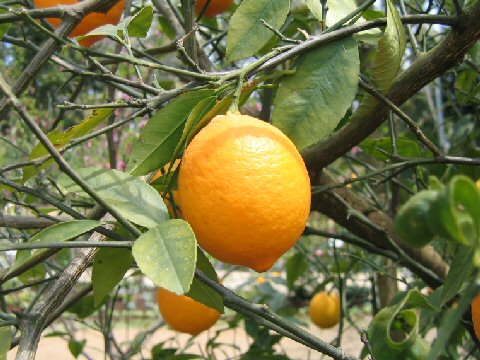
Botanical notes and appearance
As denoted by its botanical name, the Persian lime is of hybrid origin. The tree is medium sized and often produces fruit in clusters. Individual fruits are usually round to slightly oblong, with a diameter commonly in the mid single digits of centimetres. The rind is relatively thick, which contributes to transport durability, and the juice is tangy but typically milder and less bitter than that of key limes. These sensory differences affect culinary use and value in processed products.
Cultivation and major producing regions
Persian limes are grown in subtropical and tropical climates and form an important commercial crop in several countries. In the United States commercial production has been centered in states such as Florida, although production patterns have changed with the industry and environmental events. Large quantities are produced in Mexico, with important growing areas around Martínez de la Torre in the state of Veracruz; exports from Mexico supply markets in the United States, Europe and Asia. Import handling for U.S. markets commonly uses border and port hubs such as McAllen, Texas, for distribution and inspection.
History and impact of weather events
The Persian lime rose in commercial importance in part after historical events that affected other lime varieties. Severe storms and hurricanes have repeatedly altered the balance of cultivars grown in particular regions; for example, a major storm in the early 20th century reduced some key lime plantings and later hurricanes also damaged Persian lime orchards. Such events have influenced planting, cultivar selection and regional market supply over time. For background on historical impacts and recovery efforts see agricultural accounts and regional histories on storm effects.
Grading, packing and storage
Commercial Persian limes are commonly sorted by size and packed to industry standards. Typical size codes include labels such as 110s, 150s, 175s, 200s, 230s and 250s; these codes relate to count or diameter measures used by packers and shippers. Fruit are often harvested while green to extend shelf life and reduce spoilage during transit. Postharvest handling concentrates on temperature management, humidity control and gentle handling to maintain quality; trade and extension publications provide specific guidance on storage and packaging.
Uses and culinary considerations
Persian limes are used widely for fresh consumption, juice, zest, beverage garnishes and culinary preparations. Because their juice is generally less acidic and lacks the pronounced floral bitterness of key limes, substitutions in recipes can alter flavor balance; classic key lime desserts are one example where flavor differences are notable. Industry uses include bottled juices, concentrates, fresh‑cut products and peel oil extraction for flavor and fragrance applications.
Pests, diseases and management
Like other citrus, Persian lime trees face pests and diseases that affect yield and fruit quality. Growers employ integrated pest management, cultural practices and, where appropriate, regulated treatments to reduce losses. Regional extension services and crop protection agencies provide guidance on common pests, disease identification and management strategies; see resources on citrus production and variety management production and varieties for regionally specific recommendations.
Commercial trade, markets and logistics
Large commercial volumes move through established export channels. From producing regions such as Veracruz, shipments are coordinated with cold‑chain logistics and inspection regimes before entry into destination markets. Trade publications and logistics sources describe size grading, market preferences and shipment routes; introductory material is available from agricultural extension and trade organizations that explain sizing and packing conventions explaining sizing and market requirements for variety comparison.
- Market differentiation: Persian (Tahiti/Bearss) limes are often distinguished from key limes by size, juice acidity and aroma; many consumers and processors select fruit according to desired flavor profiles and quality.
- Regional production notes: producers in the United States, Mexico and other countries adapt planting and harvesting practices to local climate and market demand regional trends.
- Export and handling: exporters follow regulatory and logistical steps to prepare fruit for international markets, with documentation, phytosanitary inspection and cold‑chain measures industry coordination.
Further information on cultivar selection, nutritional content, and detailed postharvest recommendations can be found in specialized horticultural guides and extension literature. For practical resources and trade information consult agricultural extension, industry associations and regional logistics guides distribution hubs and research summaries market studies that address production, quality standards and export practices. Consumer guidance on culinary substitution between key and Persian limes is available in food and culinary references regionally focused sources as well as general overviews of production centers.
Related articles
Author
AlegsaOnline.com Persian lime (Citrus × latifolia): description, cultivation and uses Leandro Alegsa
URL: https://en.alegsaonline.com/art/75953
Sources
- hort.purdue.edu : Tahiti lime botany, agriculture, and history
- tonytantillo.com : history and use of limes
- innvista.com : history and varieties of limes
- foodreference.com : Key limes and others