
Philodendron — characteristics, care, uses, and taxonomy
Philodendron is a large tropical genus of Araceae grown as ornamentals. This article summarizes appearance, growth habits, care, propagation, common species, uses, toxicity and horticultural notes.
Overview
Philodendron is a large and diverse genus of flowering plants in the arum family. Species occur chiefly in tropical regions of the Americas, where they occupy a range of habitats from forest floor to canopy. The genus contains many climbing, trailing and self-supporting forms; botanists recognize roughly nine hundred taxa though the count changes as revisions occur. For lists and formal treatments see a specialist species list and family accounts in standard references.
Image gallery
5 Images


Morphology and growth habits
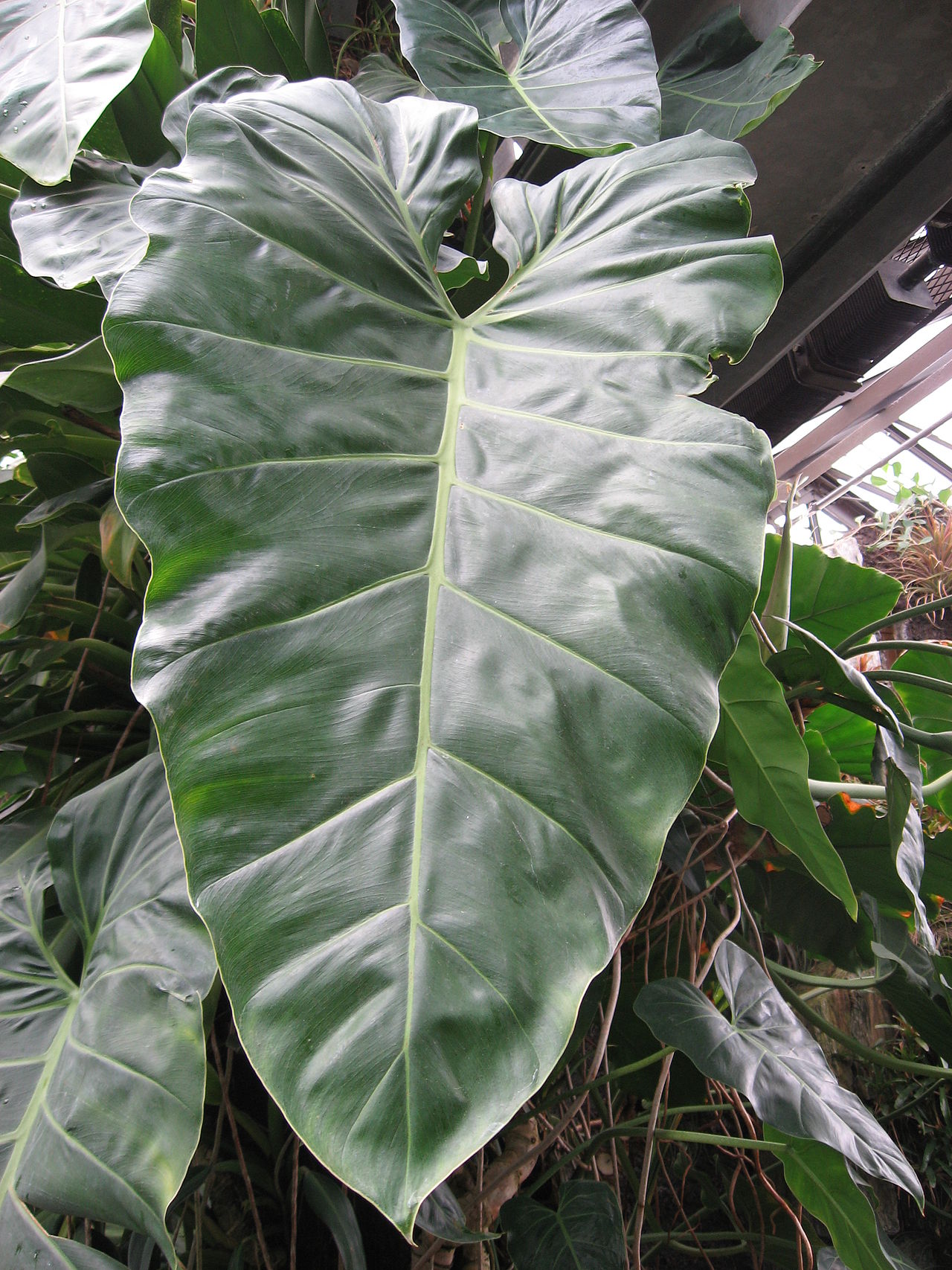
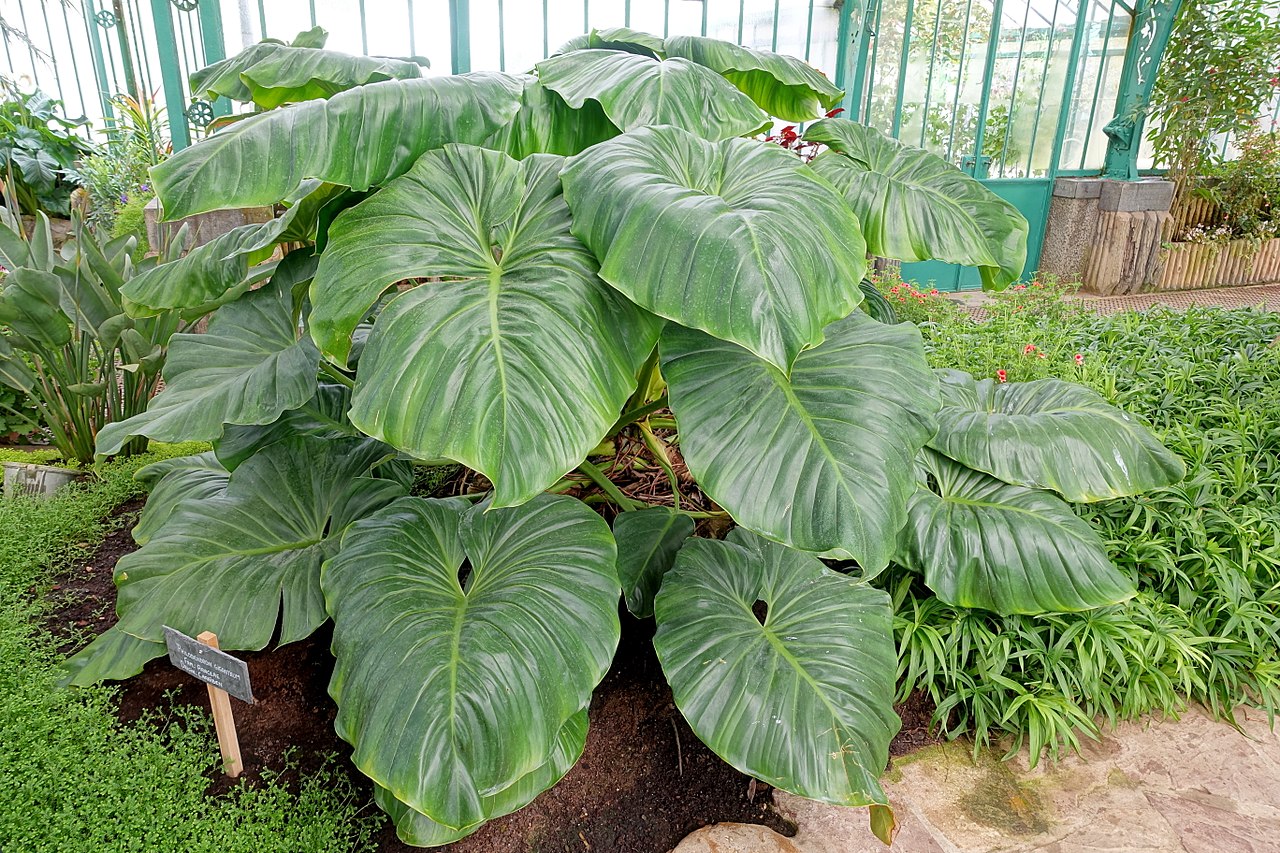
Members of the genus are evergreen aroids with leaves that vary from small and heart-shaped to very large and deeply lobed. The typical aroid inflorescence—a spadix surrounded by a spathe—appears in many species, followed in some cases by fleshy fruits. Many philodendrons are hemiepiphytes: seedlings germinate in tree branches or on the forest floor and later produce aerial roots that reach soil. Others are climbers that adhere to bark, while some are predominantly terrestrial or epiphytic. For context within the family see Araceae overviews.
Common species and cultivated forms
Popular cultivated types include the heartleaf philodendron (Philodendron hederaceum and related forms), large split-leaf types, and numerous variegated or colored cultivars bred for indoor use. Cultivars are often traded under informal names and may be confused with similar aroids; for instance many gardeners still conflate some philodendrons and Monstera species because of superficially similar leaves.
Care and cultivation
Philodendrons are prized as houseplants because of their adaptability and tolerance of indoor conditions. Basic cultural needs include bright, indirect light (many tolerate lower light), warm temperatures and moderate humidity. Use an airy, well-draining medium that retains some moisture but does not stay waterlogged. Key points:
- Light: bright, indirect light suits most types; variegated varieties need stronger light to maintain patterning and condition.
- Water: allow the top substrate to dry slightly between waterings to reduce the risk of root rot.
- Soil and potting: mix organic matter with aerating components to support aerial roots in climbers.
- Humidity and temperature: moderate to high humidity and temperatures above typical cool thresholds are preferred.
- Fertilizer: balanced, diluted feeds during the active season promote growth; avoid over-fertilizing.
Propagation and training
Propagation is most often by stem cuttings placed in water or a potting mix until roots form, and by division of clumping species. For climbing forms, training on moss poles or supporting structures helps develop larger leaves and a robust habit. Practical propagation techniques and step-by-step guides are widely available in horticultural sources and houseplant care resources.
Uses, indoor air quality and cautions
Philodendrons are chiefly ornamental in homes, offices and public plantings. Laboratory studies indicate some aroids can reduce certain volatile organic compounds such as formaldehyde and benzene under controlled conditions, but real-world air-cleaning effects are limited and should not replace ventilation or mechanical purification. Claims regarding removal of gases like carbon monoxide are not well supported for typical indoor settings.
All parts of philodendrons contain insoluble calcium oxalate crystals and related compounds that cause irritation if chewed or ingested; they are considered toxic to humans and pets. Keep plants out of reach of children and animals and seek veterinary or medical advice if ingestion occurs.
Pests, diseases and troubleshooting
Common problems include root rot from overwatering, leaf yellowing from improper light or nutrition, and pests such as scale, mealybugs, spider mites and aphids. Regular inspection, appropriate cultural adjustments and targeted, safe controls help maintain healthy plants.
Taxonomy, ecology and additional resources
The genus name reflects climbing tendencies (from Greek roots meaning "tree-loving"). Taxonomic revision within the aroids is ongoing; related groups and comparisons are discussed in accounts of Araceae family systematics and in treatments of vining genera and epiphytic aroids. For practical identification and horticultural detail consult regional floras, botanical gardens and specialist nurseries. General horticultural and plant community forums also provide experience-based advice and cultivar information; search resources on evergreen aroid care for seasonal and climatic adjustments. For further botanical background and distribution notes see curated species lists and institutional collections.
For safety, research and cultivation updates consult authoritative sources and local plant societies; these can help resolve confusion between philodendrons and similar taxa and provide up-to-date nomenclature and care guidance (Araceae overview).
Related articles
Author
AlegsaOnline.com Philodendron — characteristics, care, uses, and taxonomy Leandro Alegsa
URL: https://en.alegsaonline.com/art/76498