
Phormium tenax (New Zealand flax)
Phormium tenax, or harakeke, is an evergreen perennial native to New Zealand and Norfolk Island, valued for its long straplike leaves, traditional fibre uses, and ornamental cultivars; it can be invasive abroad.
Overview
Phormium tenax, commonly called harakeke in Māori and known in English as New Zealand flax, is a clump-forming evergreen perennial native to New Zealand and Norfolk Island. It is characterized by long, sword-shaped leaves and tall flowering stalks that carry showy tubular blooms in shades of yellow, red or orange. The plant is widely cultivated both for its historic fibre uses and as an ornamental in temperate and subtropical gardens.
Image gallery
6 Images



Physical characteristics
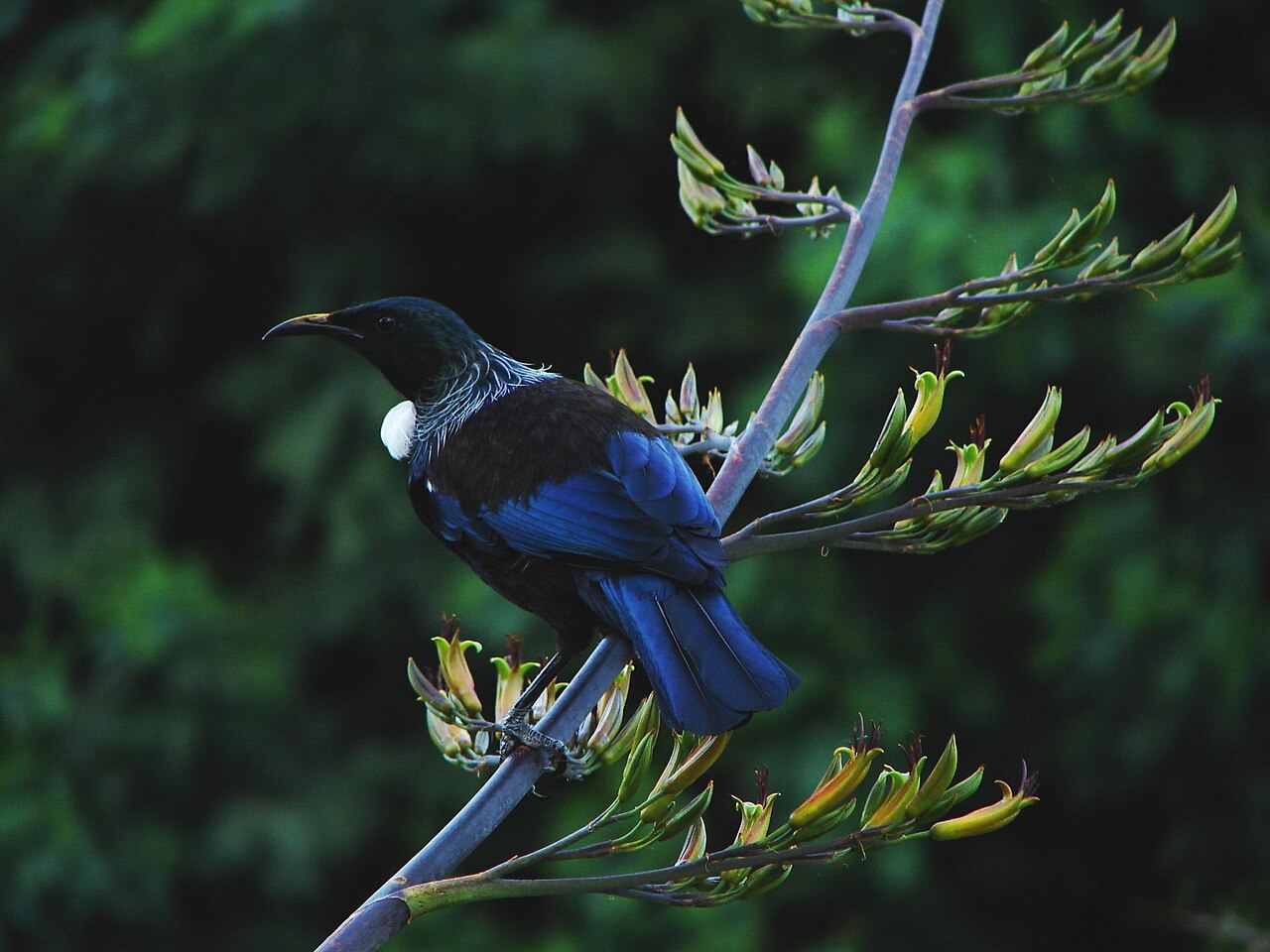
Phormium tenax develops in dense tufts of rigid, straplike leaves that commonly reach lengths up to about two metres. Leaves arise from a central rootstock and are arranged to form an architectural clump. Flowering follows on stout, erect scapes that may be much taller than the foliage; the nectar-rich flowers attract birds and insects. Cultivars vary in leaf colour — green, bronze, striping or variegation are common — which has increased its popularity in landscape design.
History and cultural significance
For centuries the plant has been an essential resource for the indigenous Māori of New Zealand. Fibres extracted from the leaves were processed and woven into clothing, containers, fishing lines and floor mats. The skills of harvesting, preparing, and weaving harakeke are culturally important and continue to be practised today. In the colonial era the fibres also supported a commercial industry producing ropes and other goods through the 19th and early 20th centuries.
Uses and cultivation
Practical uses of Phormium tenax fall into two broad categories: traditional fibre and modern horticulture. Fibre remains used in artisan weaving and conservation of cultural crafts, while gardeners prize the plant for its bold form, tolerant behaviour in coastal and poor soils, and low maintenance. It is propagated by seed and division; many named cultivars have been selected for leaf colour, size and flower traits, making it a versatile plant for borders, architectural planting, and container culture.
Ecology and invasive behaviour
Outside its native range, Phormium tenax can behave invasively, forming dense stands that outcompete native vegetation and alter habitats. Several regions have reported naturalised populations that spread along coasts, riverbanks and disturbed sites; authorities and ecologists often list it among species that require monitoring or control as an invasive plant in sensitive ecosystems. On some islands the species has had pronounced ecological impact.
Notable cases and distinctions
A specific conservation concern has been recorded on Saint Helena, where Phormium tenax has expanded into areas occupied by rare native plants and contributed to habitat change threatening species such as Elaphoglossum dimorphum. Botanically, Phormium tenax is typically distinguished from its close relative Phormium cookianum (a smaller, more tufted species) by its larger size and robust inflorescences. Management strategies balance its horticultural value and cultural importance with ecological safeguards where it becomes a pest.
- Key traits: evergreen clump, straplike leaves, tall flowering stalks.
- Main uses: traditional weaving fibre, ornamental planting, erosion control in some settings.
- Concerns: invasive potential outside native range; requires monitoring in sensitive habitats.
Questions and answers
Q: What is Phormium tenax?
A: Phormium tenax is an evergreen perennial plant from New Zealand and Norfolk Island.
Q: What is the importance of Phormium tenax?
A: Phormium tenax is an important fibre plant and a popular garden plant.
Q: How does the plant grow?
A: The plant grows as a clump of long, straplike leaves up to two meters long.
Q: What does the flowering shoot of Phormium tenax look like?
A: The plant grows a much taller flowering shoot, with dramatic yellow or red flowers.
Q: What was the use of the fibre from Phormium tenax?
A: The fibre from Phormium tenax was used by the Māori of New Zealand to make baskets. It was also used in rope and sail making after the arrival of Europeans up until at least WWII.
Q: Is Phormium tenax an invasive species in other countries?
A: Yes, in other countries Phormium tenax is an invasive species.
Q: What is the impact of Phormium tenax on Saint Helena?
A: On Saint Helena, Phormium tenax is taking over the land from the critically endangered species Elaphoglossum dimorphum.
Related articles
Author
AlegsaOnline.com Phormium tenax (New Zealand flax) Leandro Alegsa
URL: https://en.alegsaonline.com/art/76564