
Peyote (Lophophora): traditional use, chemistry, and conservation
Peyote is a small, spineless cactus of the genus Lophophora, notable for its psychoactive alkaloids (especially mescaline), long cultural history in North America, and contemporary legal and conservation issues.
Peyote is the common name for the small, button-like cacti of the genus Lophophora. Two species are most often discussed: the widely known Lophophora williamsii and the rarer Lophophora diffusa. Both belong to the cactus family Cactaceae and are notable for their rounded, acaulescent bodies and lack of prominent spines. In traditional contexts peyote is valued for its psychoactive properties and its place in ritual practice.
Image gallery
10 Images




Characteristics and distribution
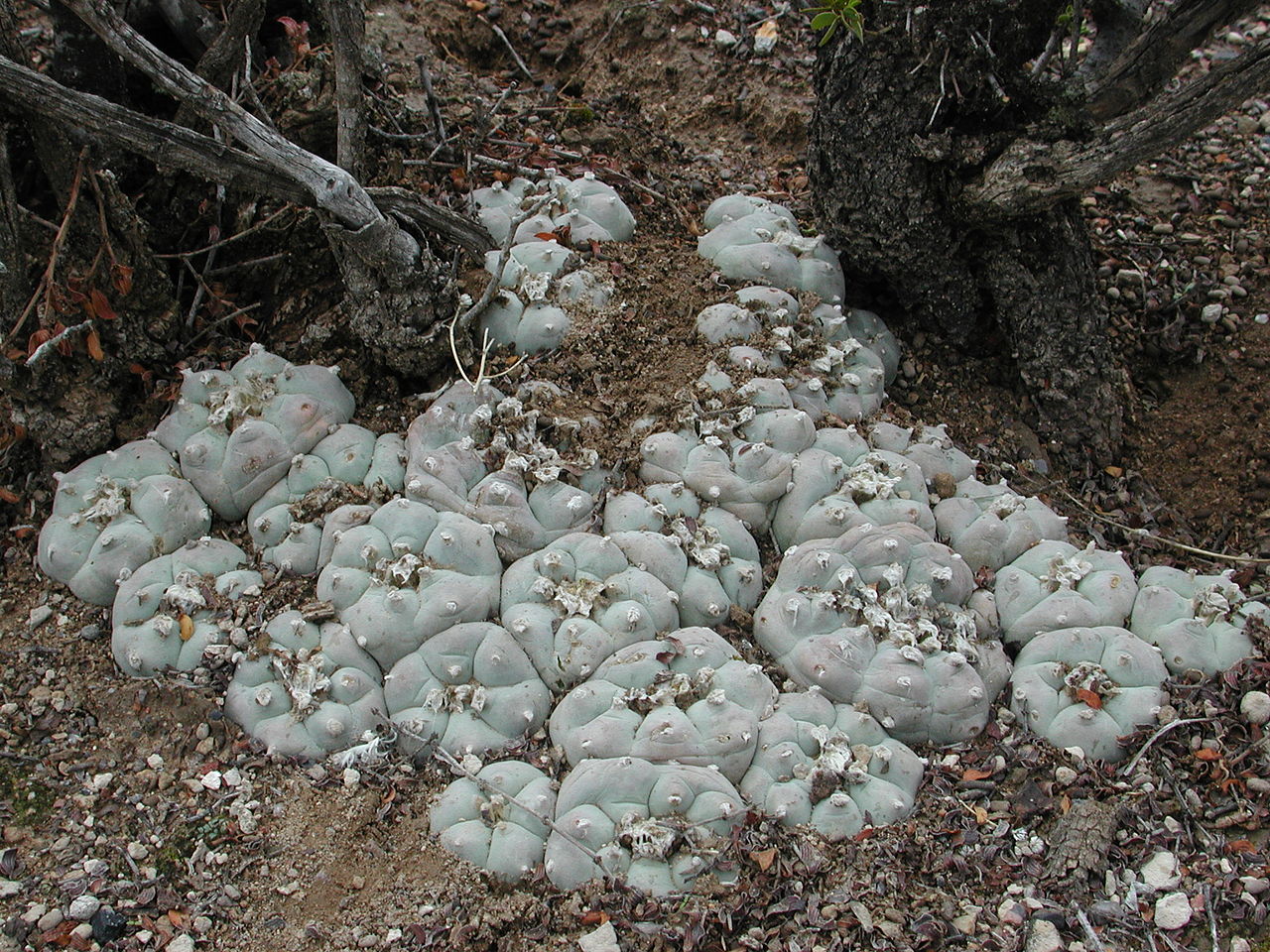
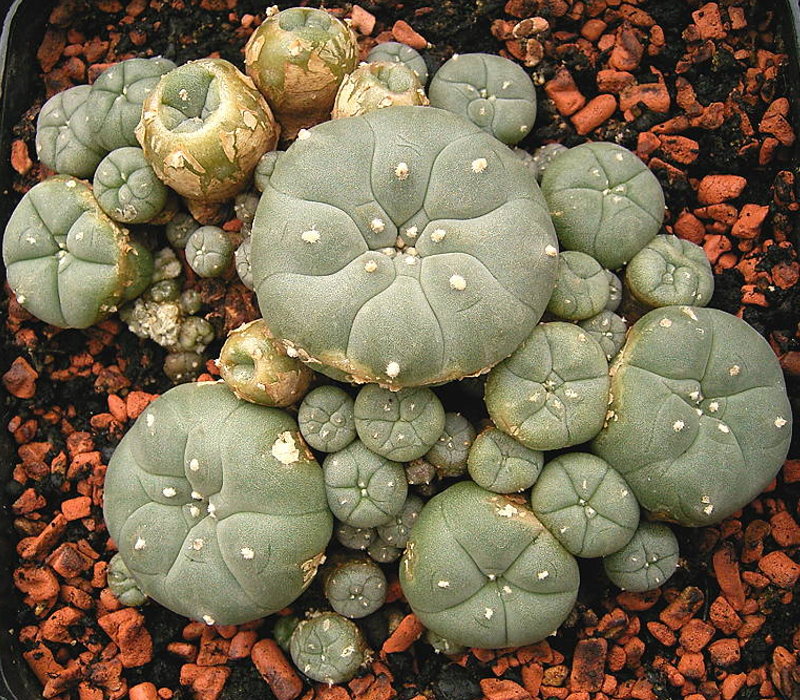
L. williamsii typically forms low, solitary or clustered cushions a few centimetres across and high, often with a bluish-green tone. It grows naturally in parts of North America, especially in northeastern Mexico and into southern Texas in the United States. These plants often occur in arid scrubland on calcareous or limestone-rich soils. L. diffusa is generally paler, more yellow-green, and has different floral coloration and a restricted central-Mexican range. Typical flowers are small, funnel-shaped and range from white to pink or yellow depending on the species.
Chemistry and effects
Peyote contains a complex mixture of alkaloids; among these the phenethylamine mescaline is the most widely recognized for producing hallucinogenic and psychoactive effects. Scientific analyses have identified numerous additional alkaloids that may influence the overall pharmacology. The subjective effects attributed to peyote include altered perception, changes in mood and cognition, and visionary experiences; effects vary with dose, setting and individual sensitivity.
Uses, history and cultural importance
Peyote has an extensive history of ritual and medicinal use among Indigenous peoples of North America and northern Mexico. Archaeological and ethnobotanical evidence indicates ceremonial use that extends back several thousand years. In contemporary practice, peyote is an important sacrament in the rites of groups such as the Native American Church, where its use is embedded in long-standing spiritual traditions and communal ceremonies.
Legal status and conservation
The legal status of peyote is complex: in many countries possession, sale and cultivation are restricted or prohibited because of psychoactive components. Some jurisdictions recognize exemptions for bona fide religious use; for example, legal accommodations exist for members of the Native American Church and similar communities. At the same time, wild populations are vulnerable to overharvesting, habitat loss and slow growth rates, prompting conservation concern and efforts to manage harvests and encourage cultivation.
Cultivation, research and notable distinctions
Peyote is slow-growing and can be propagated from seed or by grafting in cultivation, techniques used by ethnobotanists, collectors and conservation programs. Distinguishing features between the two common species include coloration, flower hue and geographic range. Ongoing scientific and legal discussions address its ethnopharmacology, the sustainability of harvest practices, and the balance between cultural rights and public drug policy.
- Taxonomy: genus Lophophora, family Cactaceae.
- Primary psychoactive: mescaline, among many alkaloids.
- Range: North America, concentrated in Mexico and parts of Texas.
- Legal and cultural notes: exemptions for ritual use exist in some places (legal exceptions), especially within Indigenous religious traditions (Native American groups).
For further reading about taxonomy, habitat and ethnobotany consult specialized botanical and cultural sources: see authoritative databases and regional conservation assessments for updated information on status and regulations (distribution overview, Mexican flora, Texas occurrences).
Related articles
Author
AlegsaOnline.com Peyote (Lophophora): traditional use, chemistry, and conservation Leandro Alegsa
URL: https://en.alegsaonline.com/art/76273
Sources
- iucnredlist.org : "Lophophora williamsii"
- britannica.com : britannica.com