
Hurricane Andrew (1992)
Powerful and destructive Atlantic hurricane of 1992 that struck the Bahamas, south Florida and Louisiana; notable for extreme wind damage, high insured losses, and long-term policy and building-code effects.
Overview
Hurricane Andrew was a major Atlantic tropical cyclone in 1992 that produced catastrophic wind damage across parts of the Bahamas, southeastern Florida and southern Louisiana. It was the most destructive U.S. hurricane of its era, producing a wide range of social, economic, and policy consequences. The storm occurred during the otherwise below-average 1992 Atlantic hurricane season and became the defining event of that year for hurricane impacts in the United States and the Caribbean. Contemporary assessments emphasize that its damage derived largely from extreme winds rather than widespread storm surge in the areas of greatest destruction.
Image gallery
10 Images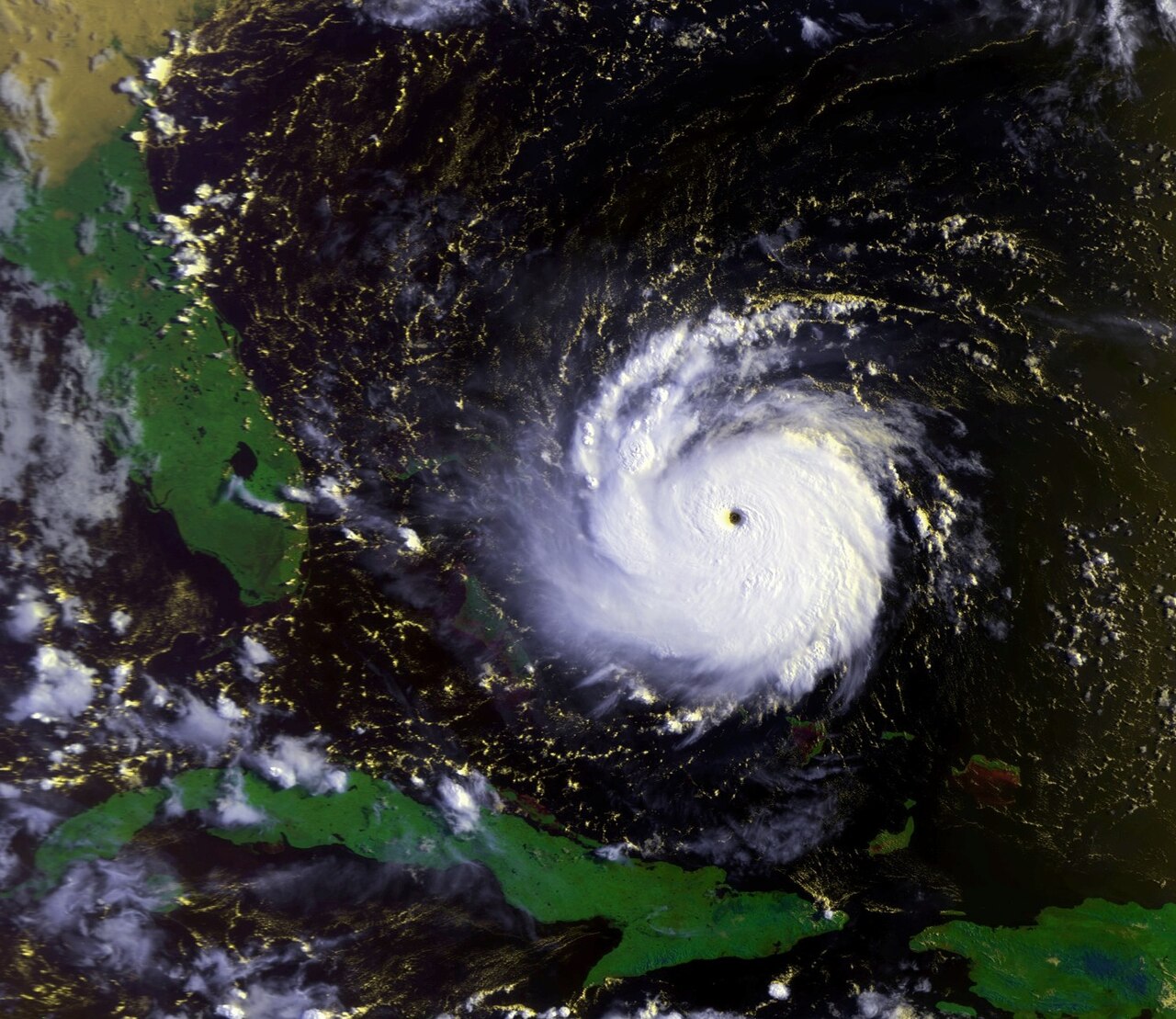


Meteorological character and path
Andrew developed from a tropical wave and intensified as it moved westward across the Atlantic. It crossed parts of the Bahamas before striking southeast Florida, then continued inland and later crossed the Gulf of Mexico to make a second U.S. landfall in south central Louisiana. Observers noted a track similar to earlier storms such as Hurricane Betsy, although Andrew’s impacts and the manner of damage differed in important ways. At Florida landfall the cyclone produced extremely high sustained winds and localized gusts that caused widespread structural failure.
Damage and casualties
Estimates of total economic loss from the storm have varied. Contemporary and retrospective estimates place the cost in the range of roughly $23 billion to $37 billion (1992 USD), and the human toll is commonly reported as between 56 and 68 fatalities. These figures made Andrew, at the time, the costliest Atlantic hurricane to strike the United States. Damage in Florida was dominated by wind effects — uprooted trees, collapsed roofs, and destroyed homes — rather than by the intense storm surge that is the primary hazard in many other landfalls. Insurance losses and the concentration of damage in relatively affluent suburban neighborhoods contributed to the high monetary totals.
Immediate impacts
- Widespread destruction of residential neighborhoods, with many buildings suffering complete roof or wall failures.
- Major disruption of utilities and communications, leaving large populations without power for extended periods.
- Severe losses to agriculture and local businesses, and a large number of insured and uninsured property claims.
Aftermath and long-term effects
The storm prompted major reviews of building codes, emergency management practices, and the insurance industry in the affected states. In Florida, attention to construction standards increased, and statewide codes were strengthened to better withstand high winds. The financial stress placed on insurers led to market changes and to debates about public and private roles in catastrophe insurance. Federal and state emergency responses also drew scrutiny and resulted in organizational and procedural reforms in disaster planning and relief.
Notable distinctions and legacy
Hurricane Andrew’s name was retired from the rotating list of Atlantic storm names because of its severity and the social memory of its impacts. Later events, including Hurricane Katrina, produced greater insured and overall economic losses and altered the ranking of the most costly U.S. hurricanes. Studies of Andrew remain an important source for understanding wind-driven damage, building vulnerability, and the cascading economic effects of intense, localized disasters. For more on the season context and meteorological data see season summaries and storm reports such as those referenced at storm analyses and related archives (USD cost discussions and post-storm reviews at 1992-dollar valuation).
Questions and answers
Q: Was Hurricane Andrew an exception during the 1992 Atlantic hurricane season?
A: Yes, Hurricane Andrew was the exception during the 1992 Atlantic hurricane season.
Q: Which areas did Hurricane Andrew hit?
A: Hurricane Andrew hit the Bahamas, southeast Florida, and south central Louisiana.
Q: Was Hurricane Betsy similar to Hurricane Andrew?
A: Yes, Hurricane Betsy was similar to Hurricane Andrew in terms of the path they took and the areas they hit, southern Florida and Louisiana.
Q: Did Hurricane Andrew cause flooding in New Orleans?
A: No, unlike Hurricane Betsy, Hurricane Andrew did not cause flooding in New Orleans.
Q: What was the main cause of damage from Hurricane Andrew in Florida and Louisiana?
A: The main cause of damage from Hurricane Andrew in Florida and Louisiana was high winds, rather than storm surge.
Q: How much damage did Hurricane Andrew cause?
A: Hurricane Andrew caused between $23 billion and $37 billion in damage (1992 USD).
Q: Was Hurricane Andrew the costliest Atlantic hurricane to hit the United States?
A: Yes, Hurricane Andrew was the costliest Atlantic hurricane to hit the United States at the time, with a damage amount between $23 billion and $37 billion (1992 USD). However, Hurricane Katrina later surpassed it in official damage amounts.
Related articles
Author
AlegsaOnline.com Hurricane Andrew (1992) Leandro Alegsa
URL: https://en.alegsaonline.com/art/45828
Sources
- tampabayonline.net : Hurricane Andrew
- nhc.noaa.gov : The deadliest, costliest and most intense United States tropical cyclones from 1851 to 2010 (and other frequently requested hurricane facts)
- nhc.noaa.gov : Hurricane Sandy: October 22 – 29, 2012 · webcitation.org
- nws.noaa.gov : Hurricane/Post-Tropical Cyclone Sandy, October 22–29, 2012 · webcitation.org
- nytimes.com : "AFTER THE STORM; Rumors Abound Of Storm Deaths Going Untallied"
- miami.cbslocal.com : "Hurricane Andrew Remembered: 20 Years Later"
- hurricanescience.org : "1992- Hurricane Andrew"