
Petunia
Petunia is a genus of colorful flowering plants in the nightshade family, widely grown as ornamental bedding and container plants. This article covers appearance, cultivation, history, uses and common problems.
Overview
Petunia refers to a group of closely related flowering plants prized for their showy blooms. Every species and horticultural hybrid produces conspicuous flowers that make these plants popular in gardens, window boxes and hanging baskets around the world. In temperate regions they are most often treated as tender annuals.
Image gallery
10 Images



Characteristics
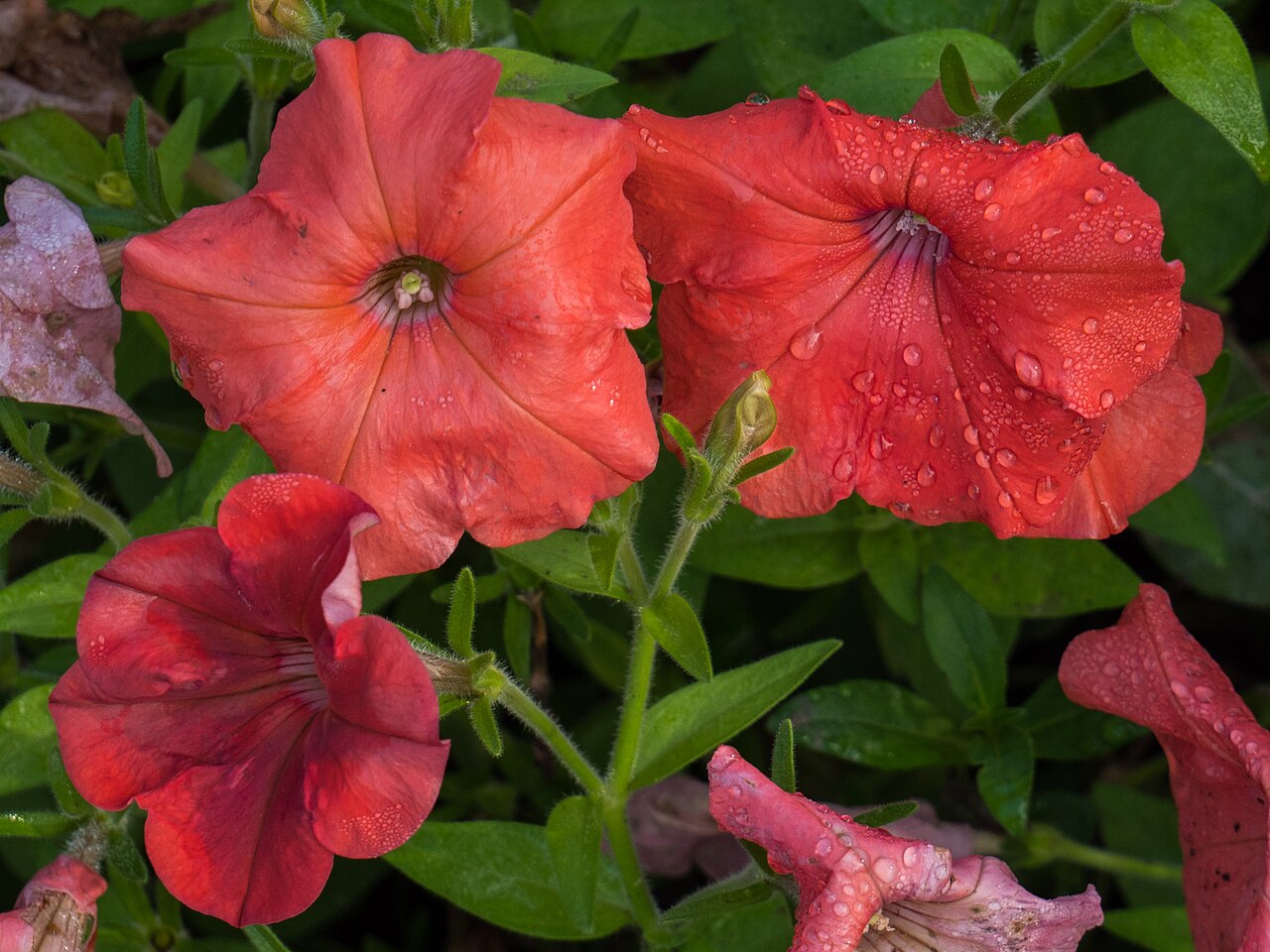
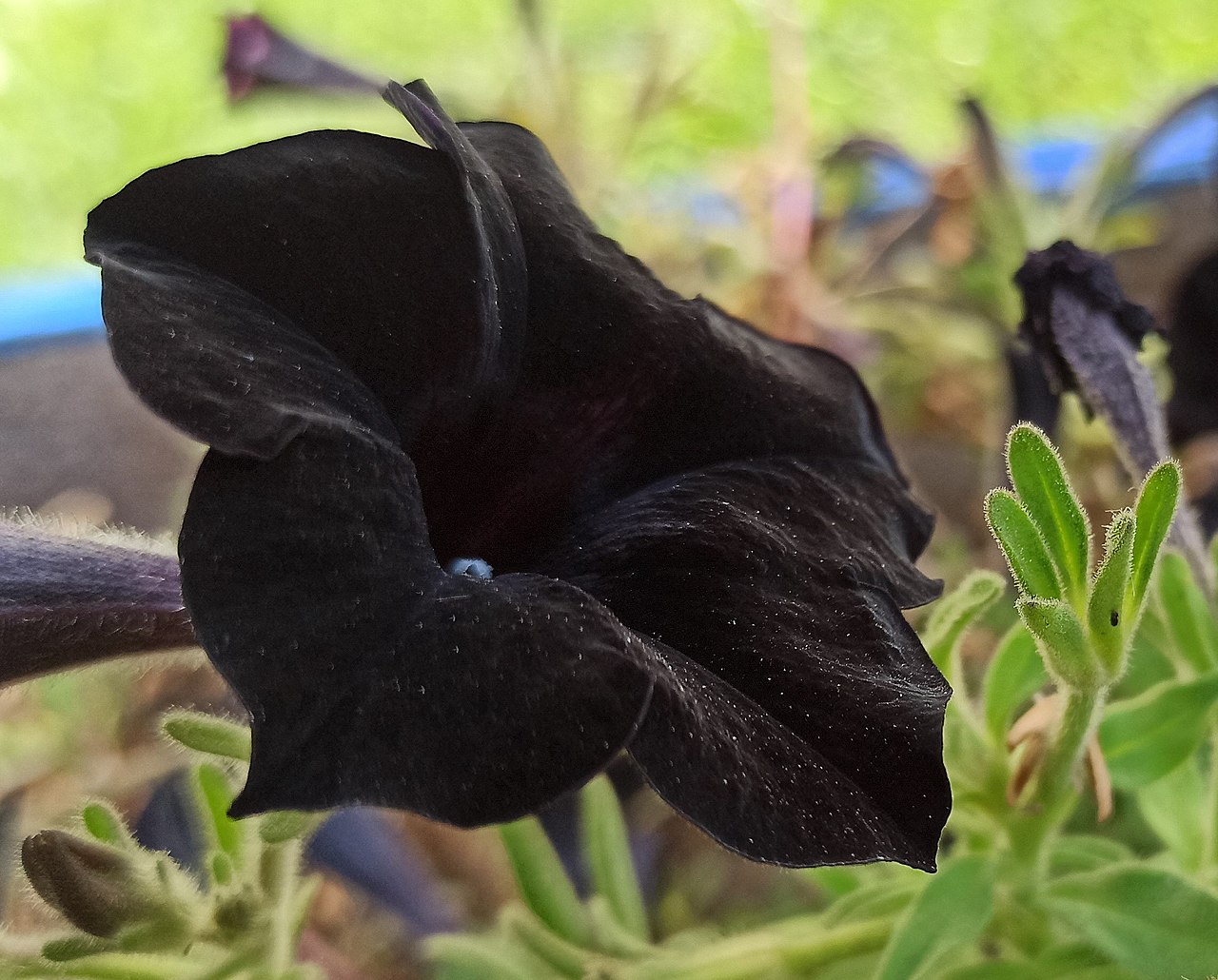
Petunias typically have soft, often sticky leaves and trumpet-shaped flowers borne singly or in clusters. Flower colors span white, pink, purple, red and bi-colors, and some varieties are heavily scented. Growth habits range from compact, mound-forming types to long trailing stems suitable for hanging containers. Many modern garden varieties are vigorous hybrids selected for continuous blooming.
Cultivation and uses
Gardeners value petunias for their long flowering season and adaptability. They perform best in full sun, in fertile, well‑drained soil, and benefit from regular deadheading or pinch‑back to encourage more blooms. Propagation is by seed for many strains, or by softwood cuttings for exact cultivar copies. In practice petunias are often grown as annual plants in colder climates, though some types can be overwintered in frost‑free conditions.
History and taxonomy
Native primarily to South America, petunias were brought into European cultivation from the 18th century and later became the subject of intensive hybrid breeding. They belong to the broader nightshade grouping and are placed within the same plant family as other familiar species: see the Nightshade grouping and the Solanaceae family. Closely related ornamental and agricultural genera include plants such as tobacco.
Pests and problems
Common issues include aphids, caterpillars and fungal diseases like botrytis and powdery mildew; proper air circulation and avoiding overwatering reduce disease risk. Thrips can damage flowers and interfere with hybrid seed production. Good cultural care and routine inspection keep most problems manageable.
Notable facts
Modern petunia breeding has produced a wide assortment of forms—miniatures for edging, large-flowered types for focal displays, and vigorous trailing cultivars for baskets. Their long season and ease of culture keep petunias among the most widely planted ornamental bedding plants.
Related articles
Author
AlegsaOnline.com Petunia Leandro Alegsa
URL: https://en.alegsaonline.com/art/76249