
Shelf life: durability, safety, and labeling of perishable products
Shelf life is the period a product retains acceptable quality and safety under specified storage conditions. This article explains factors, labeling, examples, and ways to manage and extend shelf life.
Overview
Shelf life denotes the length of time a product—most commonly food, but also medicines, drinks, and cosmetics—remains acceptable for use or consumption when stored under recommended conditions. It describes both quality attributes (taste, texture, appearance) and, in many contexts, safety. Outside the stated conditions or after the indicated period, a product may deteriorate in quality or become unsafe.
Image gallery
2 Images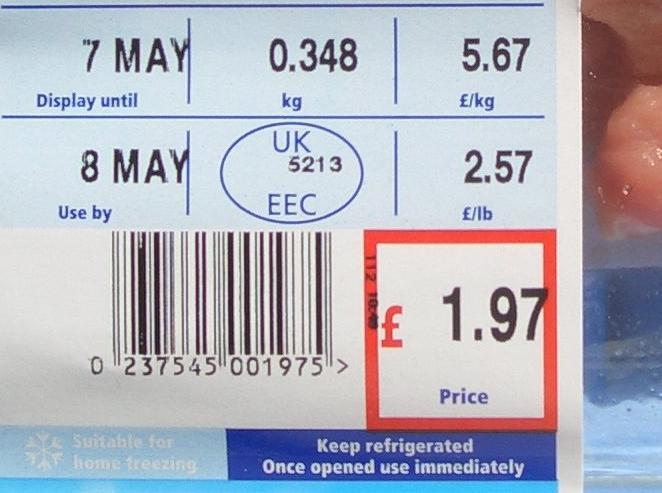

Main factors that determine shelf life
Several interacting factors influence how long an item will remain usable. These include intrinsic properties of the product (water activity, acidity, nutrient content), the presence of preservatives, and extrinsic conditions like temperature, light, oxygen exposure, and humidity. Handling, packaging materials, and microbial contamination are also critical. For example, refrigerated goods stored continuously at appropriate temperatures tend to last longer than those exposed to fluctuating heat; similarly, frozen food that thaws and refreezes will often deteriorate faster.
Labels and date markings
Many countries require packaged items to carry date information to help consumers and retailers manage freshness. Common terms include “best before,” “use by,” and “sell by” or freshness dates. These labels are intended as guidance: a best before date usually refers to quality rather than safety, while a use by date is more closely related to safety for perishable items. Regulations and terminology vary between jurisdictions, so understanding local rules can clarify obligations for manufacturers and expectations for consumers.
Examples by category
- Food: dairy, meats, bakery goods, and prepared meals have varying shelf lives depending on composition and preservation.
- Drugs and medical products: many medicines have expiry dates tied to potency and sterility; see information on packaging or consult a pharmacist (drugs).
- Drinks: bottled beverages, alcoholic drinks, and juices may change in flavor or safety over time (drinks).
- Other consumer goods: cosmetics and household chemicals also list recommended periods after opening or manufacture.
Managing and extending shelf life
Techniques used to prolong shelf life include refrigeration, freezing, drying, canning, pasteurization, vacuum sealing, modified atmosphere packaging, and the use of preservatives. Proper storage and handling—such as avoiding temperature abuse—are often as important as the preservative technologies themselves. Consumer practices like observing storage instructions, preventing cross-contamination, and checking packaging integrity can significantly affect how long a product remains acceptable.
History, regulation, and notable considerations
The concept of shelf life grew with industrial food processing and global trade, leading to standardized labeling and safety rules to protect public health and reduce waste. While date labels help manage risk and quality, they do not always indicate absolute safety; sensory checks (smell, appearance) and an understanding of storage history remain useful. For broader guidance about food storage and safety, authoritative resources and local regulations can be consulted (food).
Understanding shelf life helps consumers, retailers, and manufacturers balance safety, quality, and waste reduction. For more detailed technical or regulatory information, consult specialist sources or industry guidance (drinks, frozen food).
Questions and answers
Q: What is shelf life?
A: Shelf life is the length of time that food, drugs, drinks and other things can be stored safely.
Q: What happens to food after a certain time?
A: After a certain time, food will go bad and it will no longer be safe to eat.
Q: What is the purpose of a best before, use by or freshness date on packaged foods?
A: In some countries, a best before, use by or freshness date must be put on packaged foods to indicate how long the food can be stored safely.
Q: Does the quality of food change over time during its shelf life if it is kept under proper conditions?
A: If the food is kept under proper conditions, the quality of the food does not change during its shelf life.
Q: What happens to frozen food if it does not remain frozen?
A: If frozen food does not remain frozen, it will go bad earlier.
Q: Do most labels guarantee the safety of food?
A: No, most labels do not guarantee the safety of food. They should only be used as a guide.
Q: What should be done when food has passed its best before, use by or freshness date?
A: Food that has passed its best before, use by or freshness date should not be consumed as it may not be safe to eat.
Related articles
Author
AlegsaOnline.com Shelf life: durability, safety, and labeling of perishable products Leandro Alegsa
URL: https://en.alegsaonline.com/art/89629
Sources
- businessweek.com : "The_Truth_About_Food_Expiration_Dates"
- fsis.usda.gov : "Food_Product_Dating"
- preemptive.com : ""Application Shelf Life""
- iaph.uni-bonn.de : iaph.uni-bonn.de