
Oxfam: International confederation for poverty relief, development and advocacy
Oxfam is a confederation of independent organisations working on humanitarian relief, sustainable development, fair trade and advocacy to reduce poverty and defend human rights since 1942.
Overview
Oxfam is a confederation of independent charities and affiliates that cooperate to tackle poverty, inequality and injustice around the world. Combining emergency response with longer-term development and public campaigning, the network works to deliver practical assistance while trying to change the policies and structures that keep people poor. It emphasizes participation and dignity, arguing that people affected by poverty should have a say in decisions that concern them and that poverty reduction must respect human rights.
Image gallery
8 Images




Origins and development
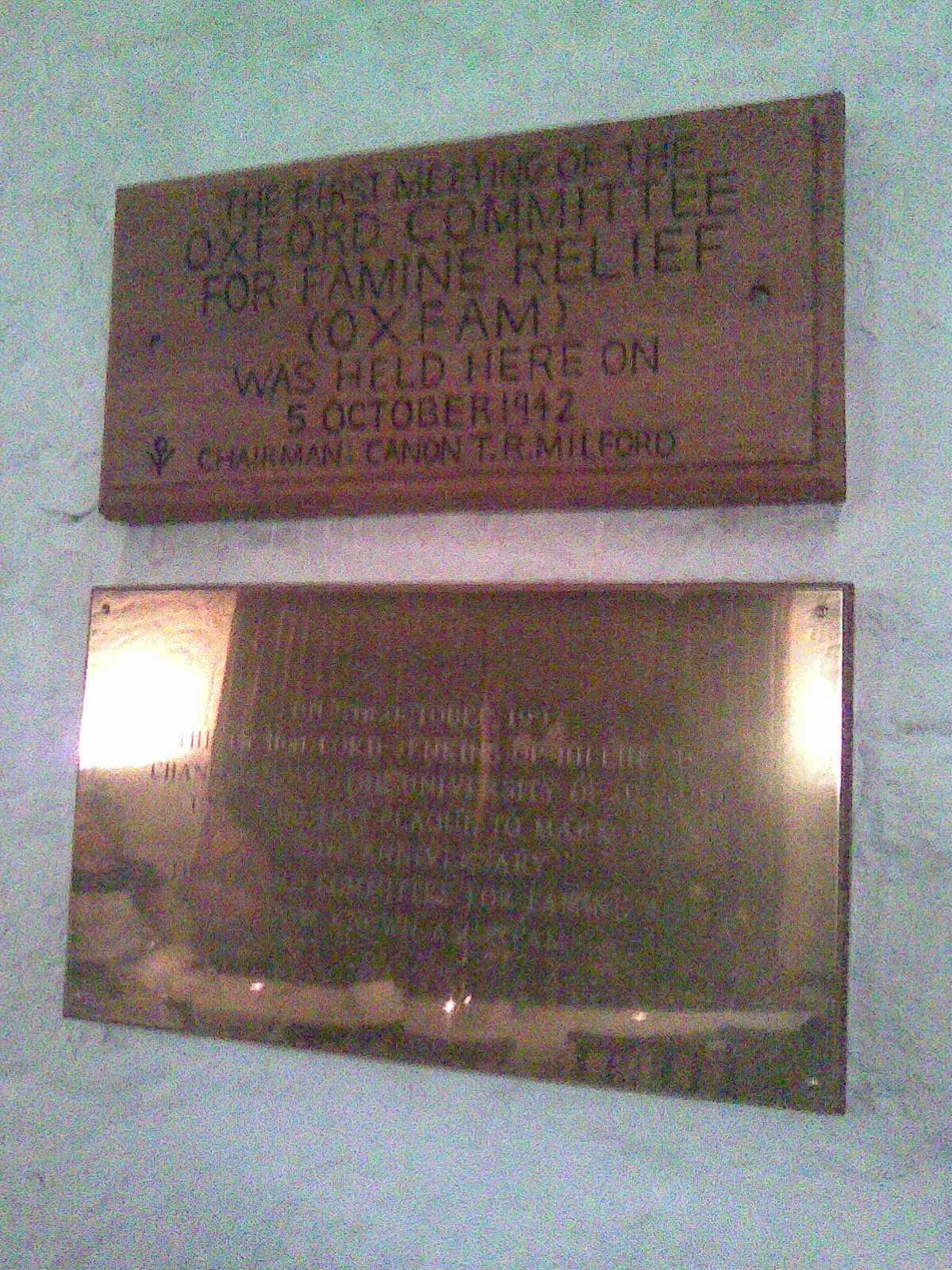
The organisation traces its origins to the Oxford Committee for Famine Relief, formed in Oxford in 1942 by a coalition of Quakers, social activists and academics. Its early mission was to persuade the authorities to allow aid to civilians during wartime restrictions. That effort included appeals to the British government to permit food through an Allied blockade for the starving population of Greece occupied by Axis forces. The first overseas affiliate was established in Canada in 1963, and the organisation adopted the telegraph address "OXFAM" in the 1960s before evolving into a formal international confederation in later decades.
Activities and typical programmes
Oxfam combines three broad types of work: rapid humanitarian relief, long-term development, and advocacy. In emergencies it provides food, water and shelter and coordinates with local responders to deliver disaster relief and medical support. Its development projects focus on livelihoods, education, water and sanitation and sustainable development. Alongside delivery, Oxfam campaigns on issues such as economic inequality, climate adaptation, gender justice and fair trade, and seeks to influence governments and institutions to change policies.
Structure, partnerships and funding
The confederation is made up of a number of national affiliates and an international secretariat that coordinate strategy, standards and international advocacy. National affiliates raise funds, implement programs and build partnerships with local organisations and communities. Funding sources typically include public donations, institutional grants and partnerships with government and multilateral donors. Affiliates aim to be transparent about finances and accountable to affected communities, partners and supporters.
Impact, accountability and critiques
Oxfam has been prominent in large humanitarian responses and high-profile public campaigns that draw attention to global inequality. Its work is credited with delivering lifesaving aid and supporting long-term improvements in many communities, though like other large NGOs it has faced scrutiny over operational failures, governance and staff conduct at times. The organisation publishes reports, reviews and revised safeguarding measures in response to concerns, and emphasizes learning and accountability as part of maintaining public trust.
Where to find more information
Readers who want to explore Oxfam’s programmes, history and current campaigns can consult official statements from individual affiliates and the confederation, independent evaluations by aid watchdogs and academic analyses of humanitarian and development practice. Local Oxfam offices and national affiliates typically provide information on volunteering, donations and partnerships, and interested organisations should review governance arrangements and accountability frameworks before collaborating. For further reading on the themes touched on here see materials on help and field operations and summaries of Oxfam’s work in the UK and beyond via the affiliate based in the UK.
Related articles
Author
AlegsaOnline.com Oxfam: International confederation for poverty relief, development and advocacy Leandro Alegsa
URL: https://en.alegsaonline.com/art/73795
Sources
- oxfam.org : Statement from the Oxfam website.
- halarose.co.uk : Cecil Jackson-Cole from Oxfordshire Blue Plaques Board.