
Paneuropean Union (Pan‑European Movement)
A political and cultural movement founded in 1923 advocating European unity and federal cooperation to prevent war and promote common institutions across the countries of Europe.
The Paneuropean Union, often called the Pan‑European Movement, is a political and cultural initiative founded in 1923 to promote closer cooperation among the countries of Europe. It began as a campaign for a peaceful, federated Europe after the First World War, arguing that supranational institutions and shared values could reduce the risk of conflict and strengthen prosperity across the continent.
Image gallery
5 Images


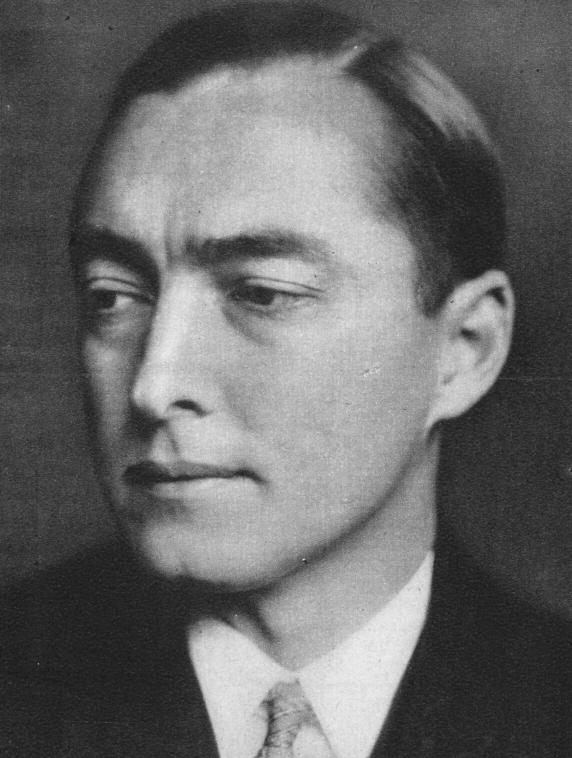
Origins and aims
Launched by intellectuals and political advocates, the movement proposed practical steps toward integration: cross-border cooperation, a common legal framework, and deliberative bodies representing European peoples rather than only national governments. Its founding aim was to reconcile historic rivalries by building institutions that would make war between European states politically and economically less likely. The Paneuropean idea emphasized both cultural ties and political structures as foundations for unity.
Organization and activity
The movement organized congresses, published manifestos and periodicals, and sought endorsements from politicians, scholars and public figures. It acted as a forum where proposals for federal arrangements, economic coordination and legal harmonization were discussed. Over time the Paneuropean Movement supported educational outreach, public debates and symbolic initiatives, including an associated prize recognizing contributions to European unity.
Historical impact
Although it did not create a single European government, the Paneuropean Union influenced public debate and provided an intellectual frame for later institutional developments. The movement’s advocacy contributed to the post‑Second World War momentum for cooperation that eventually produced organizations and treaties with supranational elements. Its early promotion of parliamentary bodies, legal cooperation and a common market echoed in later integration efforts.
Legacy and distinctions
Today the Paneuropean Movement is distinct from modern institutions such as the European Union: it is primarily a voluntary civil‑society network and advocacy grouping rather than an interstate organization. It continues to promote the idea of European unity, working alongside other organizations to discuss policy, democratic practice and cultural exchange across European countries. For background on the continent the movement addresses, see general resources on Europe.
- Core emphasis: federal cooperation, peace, institutional safeguards
- Main methods: conferences, publications, public advocacy
- Relation to EU: inspirational and complementary, but organizationally separate
Related articles
Author
AlegsaOnline.com Paneuropean Union (Pan‑European Movement) Leandro Alegsa
URL: https://en.alegsaonline.com/art/74355