
Disaster: Causes, Types, Impacts, and Management
An overview of disasters: definitions, main types and causes, how hazards become disasters, impacts, phases of disaster management, risk reduction, resilience, governance and emerging trends.
Overview
A disaster is an event that causes serious disruption to a community, damaging lives, property, infrastructure or the environment beyond the capacity of local resources to manage. Disasters may occur suddenly (for example, an earthquake) or develop slowly (for example, a drought). They result from the interaction between a hazardous event and the social, economic and environmental vulnerability of exposed populations. Analysis of disasters therefore considers both the triggering hazard and the conditions that make people and systems susceptible to harm.
Image gallery
6 Images


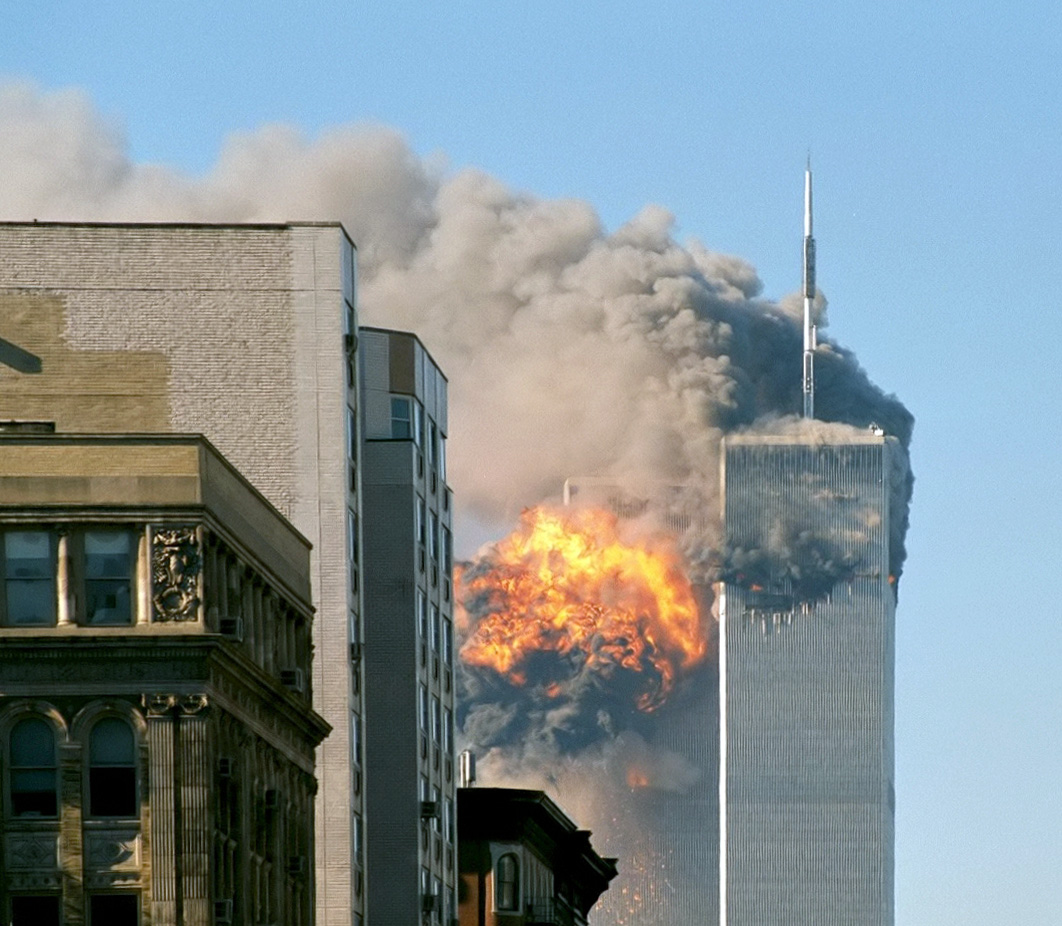
Types and common causes
- Natural hazards: geological, meteorological or hydrological processes such as earthquakes, floods, storms, tsunamis, volcanic eruptions, droughts and wildfires.
- Human-made and technological disasters: industrial accidents, chemical spills, transport disasters, infrastructure failures and complex technological system breakdowns often linked to human error, poor design or neglect.
- Complex emergencies and biological hazards: armed conflict, mass displacement, food insecurity and disease outbreaks that interact with other hazards to create protracted crises.
Hazard versus disaster
A hazard is a potential event or condition that could cause harm; a disaster is the outcome when that hazard impacts people, assets or services. Whether a hazard becomes a disaster depends on exposure (who or what is in harm’s way), vulnerability (susceptibility to damage) and the capacity to anticipate, cope and recover. Social and economic factors—poverty, governance, land use and infrastructure quality—play a major role in shaping outcomes.
Phases of disaster management
- Mitigation: long-term measures to reduce hazard exposure and vulnerability, such as design standards, land-use policies and ecosystem restoration.
- Preparedness: planning, community drills, early warning systems and stockpiling to reduce impacts when events occur.
- Response: immediate actions to save lives and meet basic needs, including search and rescue, medical assistance and shelter provision.
- Recovery: rebuilding infrastructure, restoring services, supporting livelihoods and addressing social and psychological needs to promote durable recovery.
Impacts and examples
Disasters produce short- and long-term consequences: fatalities and injuries; damage to housing, transport, water and power systems; economic losses; and environmental degradation. Secondary impacts can include disease outbreaks, food and water insecurity, displacement and long-term economic decline. Examples range from storms that cut power and flood coastal towns to slow-onset events such as droughts that erode livelihoods and trigger migration.
Risk reduction, resilience and governance
Effective risk reduction combines engineering and physical measures (flood barriers, seismic design), policy tools (zoning, insurance, building codes), technological systems (monitoring and early warning) and social measures (education, community planning). Building resilience means strengthening the ability of individuals, institutions and systems to anticipate, absorb and adapt to shocks. Governance—local, national and international—shapes investment priorities, coordination and the distribution of aid during crises.
Measurement, trends and future concerns
Disaster risk assessment uses hazard mapping, exposure analysis and vulnerability indicators to inform planning. Global trends—urbanization, environmental degradation and a changing climate—are shifting where and how people are exposed to hazards, often increasing risk in fast-growing urban and coastal areas. Improving data, integrating science into policy and enhancing community-level preparedness are central to reducing future losses.
Related articles
Author
AlegsaOnline.com Disaster: Causes, Types, Impacts, and Management Leandro Alegsa
URL: https://en.alegsaonline.com/art/27633