
Parents, Families and Friends of Lesbians and Gays (PFLAG)
PFLAG is a U.S. organization of family members and allies that supports LGBTQ people through peer support, education and advocacy. Founded in 1972, it operates local chapters and national programs.
Overview
Parents, Families and Friends of Lesbians and Gays, commonly known by its acronym PFLAG, is an American advocacy and support organization that brings together family members, friends and allies of lesbian, gay, bisexual, transgender and queer people. The group combines peer support with public education and policy advocacy to promote acceptance, reduce stigma and help families respond to issues related to sexual orientation and gender identity.
Image gallery
3 Images
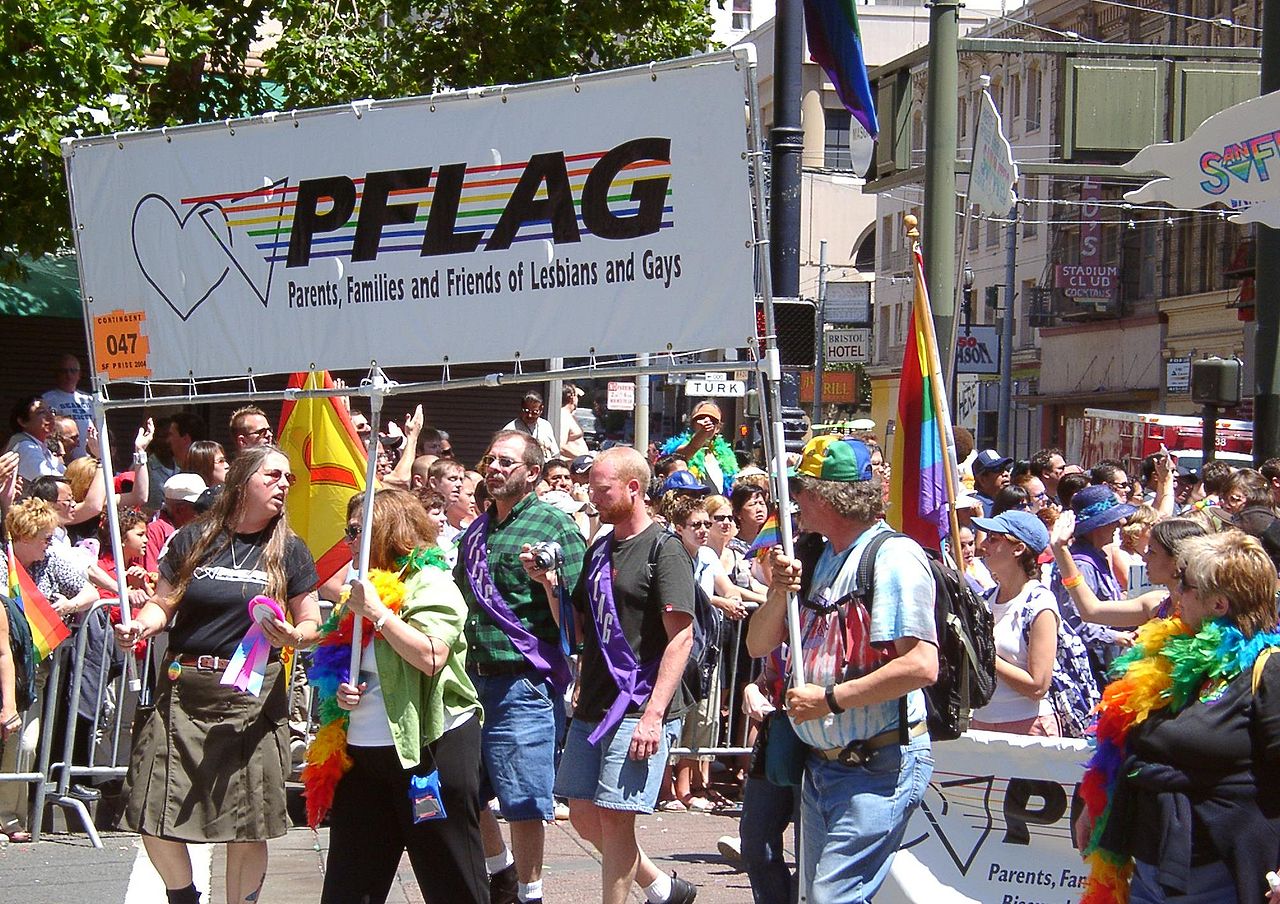

Origins and development
PFLAG began in 1972 in New York City when Jeanne Manford publicly defended her son after he was assaulted during a gay-rights demonstration and encountered inadequate police protection. Her public support and subsequent organizing around parents’ concerns inspired other family members to form local support networks. From these early roots a national organization grew, expanding its mission to include a broader range of allies and the full LGBTQ spectrum.
Activities and services
PFLAG chapters and volunteers offer a range of programs that are typically free or low cost. Common activities include regular peer-support meetings, educational workshops for schools and workplaces, printed and online resources for families, and advocacy campaigns focused on nondiscrimination and family-inclusive policies.
- Peer support groups for parents, partners and family members
- Educational presentations and materials for communities and institutions
- Advocacy efforts aimed at protecting civil rights and improving health and safety
Structure and reach
PFLAG operates through a network of local chapters and a national office. Local groups are often volunteer-led and provide community-based support; the national organization offers training, publications and coordination. Many chapters maintain listings of meetings and resources online and collaborate with other civil-rights and health organizations.
Significance and distinctions
PFLAG is notable for centering families and allies in the work of social change. By focusing on personal stories and family relationships, it has helped shift public attitudes and provide practical help to people coming out and to their loved ones. Unlike some advocacy groups that concentrate mainly on litigation or electoral politics, PFLAG blends emotional support with civic education and local outreach.
Getting involved and more information
People seeking support or wishing to volunteer can find local chapters, schedules and resources through PFLAG National and affiliated pages: PFLAG National, local chapter finder, and historical overviews at organization history. Families looking for guidance or educational materials can consult dedicated resources at family resources and view meeting listings or volunteer opportunities at chapter events and contacts.
Questions and answers
Q: What does PFLAG stand for?
A: PFLAG stands for Parents, Families and Friends of Lesbians and Gays.
Q: What does PFLAG advocate for?
A: PFLAG advocates for homosexual or gay rights.
Q: Who does PFLAG involve in its cause?
A: PFLAG involves parents, family, and friends of individuals who identify as homosexual or gay.
Q: When did PFLAG start?
A: PFLAG started in 1972.
Q: What was the motivation behind the establishment of PFLAG?
A: The establishment of PFLAG was motivated by Jeanne Manford's experience of seeing her son being thrown down an escalator during a protest for gay rights.
Q: Where did Jeanne Manford witness her son being thrown down an escalator?
A: Jeanne Manford witnessed her son being thrown down an escalator in New York City.
Q: What was Jeanne Manford's relationship with the cause of PFLAG?
A: Jeanne Manford was the mother of a gay son and was a founder of PFLAG.
Related articles
Author
AlegsaOnline.com Parents, Families and Friends of Lesbians and Gays (PFLAG) Leandro Alegsa
URL: https://en.alegsaonline.com/art/74627
Sources
- wo-magazine.com : "Talking Tolerance"