
Famine: causes, effects, history, and responses
An accessible overview of famine: definition, typical causes, health and social impacts, historical patterns, and measures for prevention and relief.
Overview
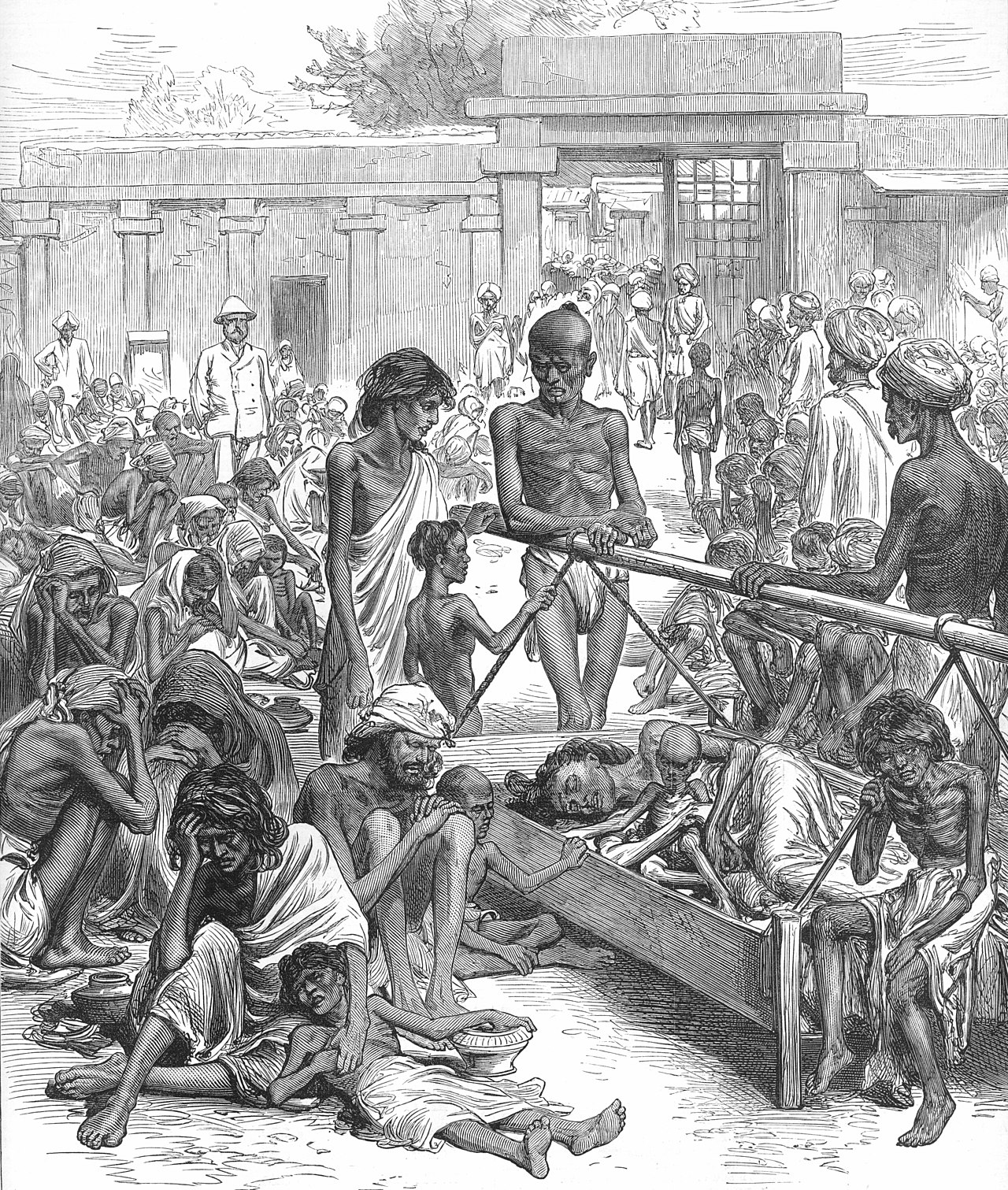
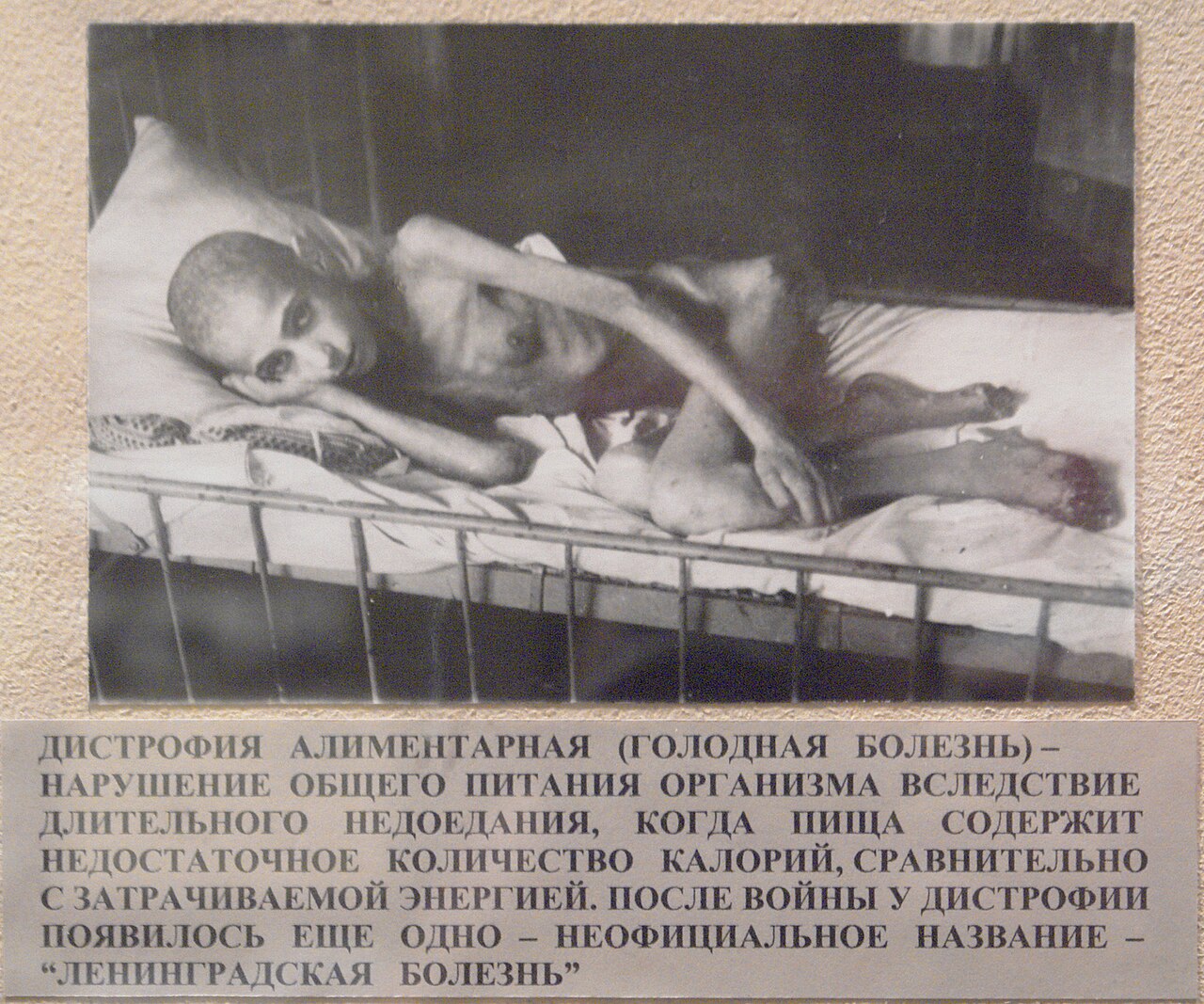
Famine is a severe and prolonged shortage of food that prevents most people in an affected area from obtaining enough to eat. The condition goes beyond temporary scarcity: it combines widespread lack of access to food with high rates of malnutrition, illness and mortality. When households cannot secure adequate calories and nutrients, the human body gradually loses strength, becomes more vulnerable to infection and — without intervention — can lead to death from starvation or related complications.
Image gallery
10 Images




Characteristics and causes
Famine emerges when multiple factors converge. Common contributors include failed harvests, economic collapse, armed conflict, extreme weather, and the breakdown of markets or food distribution. Social and political conditions often determine whether a food shortfall becomes a famine: inequalities, restricted humanitarian access, and displaced populations raise risk.
- Environmental shocks (droughts, floods, pests)
- Conflict and insecurity that disrupt production and relief
- Economic factors such as price inflation or loss of income
- Structural poverty and dependence on subsistence farming in regions with limited safety nets
Health and social impacts
Beyond immediate hunger, famine causes widespread malnutrition that impairs growth, immunity and cognitive development, especially in children. Health systems are strained by outbreaks of disease and complications from deficiency. Social effects include mass displacement, disruption of education and livelihoods, and long-term economic setbacks for communities.
History and regional patterns
Historically, famines have occurred across the world when harvest failures intersected with social vulnerability. In recent centuries severe famines have affected parts of Africa and regions of Latin America, among other areas. The global picture has changed as international relief, improved logistics and early warning systems reduced the frequency of death tolls on the scale seen in earlier eras, though local crises remain common in fragile settings in poor countries.
Prevention and response
Preventing famine requires addressing underlying vulnerabilities and sustaining rapid relief when crises emerge. Effective measures include cash or food assistance, nutrition programs for children and pregnant women, protection of markets and trade, peacebuilding, and investments in resilient agriculture. Humanitarian agencies, governments and local organizations must coordinate to restore access and prevent avoidable deaths. Information systems and timely aid can stop shortages from becoming full-scale famine; political will and secure access are often decisive.
Notable distinctions
Not every food shortage qualifies as a famine. Technical assessments use thresholds for food consumption, acute malnutrition and mortality to declare a famine. Understanding those distinctions helps target responses more effectively and avoid both under-response and mischaracterization of crises. For further context and definitions see specialized sources: how body systems respond, humanitarian guidelines (food security frameworks) and regional analyses (mortality studies, health reports, nutrition briefs, development assessments, agricultural resilience, African case studies, Latin American case studies).
Related articles
Author
AlegsaOnline.com Famine: causes, effects, history, and responses Leandro Alegsa
URL: https://en.alegsaonline.com/art/33452