
Humanitarian aid: purpose, principles, actors and challenges
Assistance provided to protect human dignity and life in crises — covering principles, common activities, major organizations, history, and practical challenges.
Overview
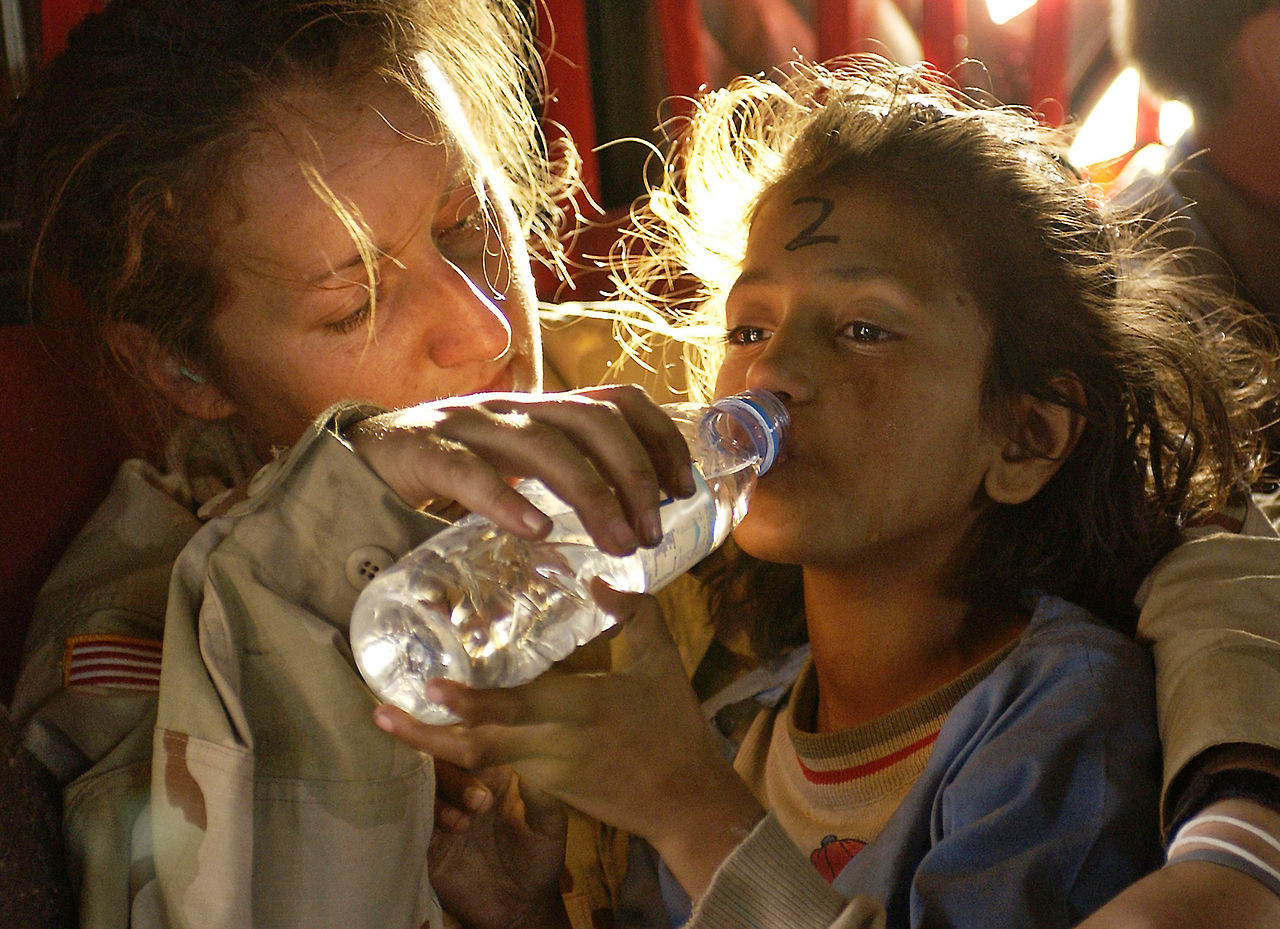
Humanitarian aid refers to organized assistance given to people suffering from crises with the goal of preserving life, alleviating suffering and upholding human dignity. It is rooted in a broadly shared humanitarian spirit and is applied in situations such as armed conflict, sudden disasters, natural disasters and when supporting displaced populations or refugees. Aid efforts are shaped by legal frameworks including the laws of war and international human rights law, which influence how assistance is delivered and protected.
Image gallery
10 Images




Core characteristics and activities
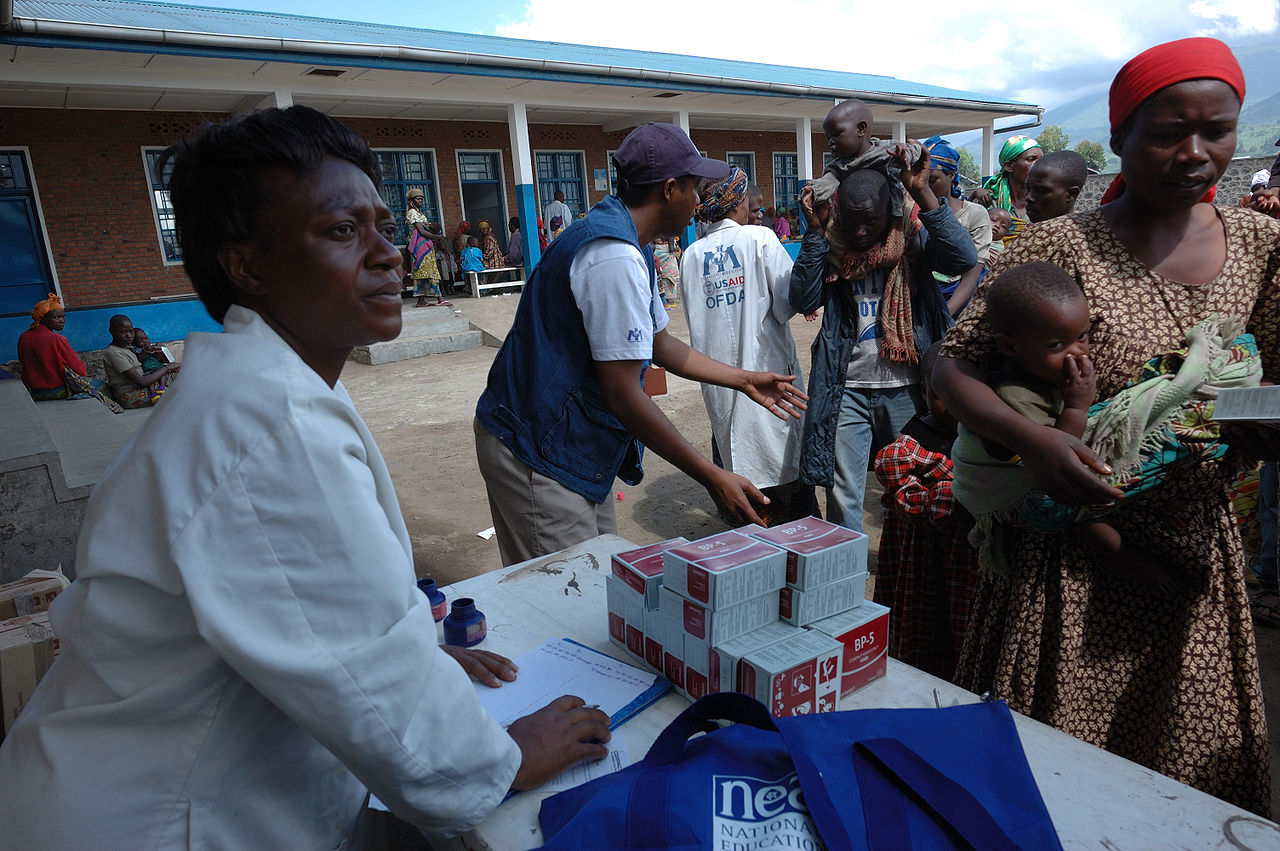
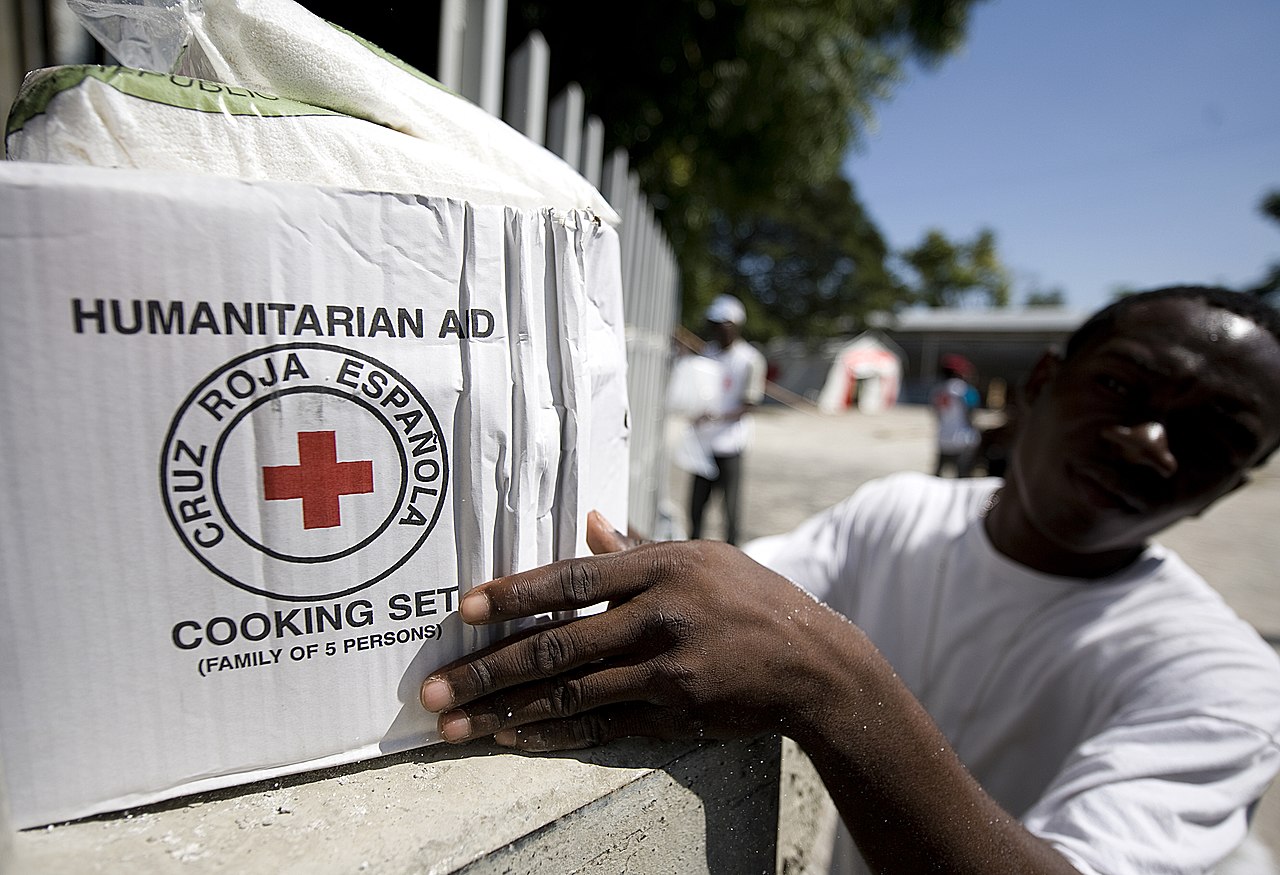
Humanitarian action emphasizes neutrality, impartiality and independence. Typical activities include emergency medical care, food distribution, water and sanitation, shelter, protection services and logistics. Aid can be short-term life-saving relief or longer-term support aimed at recovery and resilience.
Actors and coordination
Responders range from local community groups to international NGOs, UN agencies and the Red Cross movement. Two widely recognised coordinating actors are the International Red Cross and Red Crescent Movement and the UN Office for the Coordination of Humanitarian Affairs. Coordination mechanisms and clusters help reduce duplication and direct resources where needs are greatest.
History and development
The modern humanitarian movement emerged in the 19th century with efforts to care for wounded soldiers and later expanded to civilians affected by disasters and conflict. Over time the field developed professional standards, codes of conduct and principles intended to protect beneficiaries and humanitarian workers.
Importance, examples and challenges
Humanitarian aid saves lives and reduces suffering after earthquakes, floods, armed clashes and other crises. Yet responders face practical obstacles: insecure access, limited funding, logistical bottlenecks, politicization of assistance and increasing pressures from climate change and protracted displacement. Improving accountability to affected people, strengthening local capacity and maintaining principled access are ongoing priorities.
Notable distinctions
- Humanitarian aid vs development: relief focuses on immediate needs, development seeks long-term social and economic change.
- Humanitarian law vs human rights law: both protect civilians but operate through different norms and mechanisms (laws of war, international human rights law).
- Key references and further resources: principled humanitarian action, humanitarian values, and institutional guidance from the Red Cross movement and OCHA.
For practitioners and the public, understanding both the principles and the practical limits of humanitarian aid is essential to supporting effective, respectful responses to crises.
Questions and answers
Q: What is humanitarian aid?
A: Humanitarian aid is assistance given with respect for human dignity and in accordance with the spirit of humanity to people affected by war, disasters, or refugees according to laws of war and international human rights law.
Q: Who provides humanitarian aid?
A: International organizations such as the Red Cross and Red Crescent Movement and Office for the Coordination of Humanitarian Affairs provide humanitarian aid.
Q: What types of situations require humanitarian aid?
A: Humanitarian aid is required in situations involving war, natural disasters, or refugees.
Q: How does humanitarian aid help those in need?
A: Humanitarian aid helps those in need by providing them with essential resources such as food, water, shelter, medical care, and other basic necessities that they may not otherwise have access to.
Q: What are some examples of organizations that provide humanitarian aid?
A: Examples of organizations that provide humanitarian aid include the International Red Cross and Red Crescent Movement and Office for the Coordination of Humanitarian Affairs.
Q: How do these organizations ensure that their efforts are effective?
A: These organizations ensure their efforts are effective by adhering to laws related to war and international human rights law when providing assistance.
Author
AlegsaOnline.com Humanitarian aid: purpose, principles, actors and challenges Leandro Alegsa
URL: https://en.alegsaonline.com/art/45676