
Starvation: causes, physiology, signs, history, and recovery
Starvation is the extreme lack of adequate food intake. This article explains how it develops, physiological effects, common signs, historical uses, treatment challenges and prevention.
Starvation is the medical and biological state that results when an organism does not obtain enough dietary energy and nutrients to maintain normal bodily functions. It is distinct from ordinary hunger in severity and duration: while hunger is a temporary signal that prompts eating, starvation is a prolonged deficiency that forces the body to draw on internal stores and then break down tissues. For more on the difference between short-term hunger and prolonged energy deficit see hunger.
Image gallery
4 Images

Physiology and stages
After food intake falls, the body first uses circulating glucose and stored glycogen. As reserves deplete, metabolism shifts to producing glucose from other sources and generating ketone bodies from fat. With continued deficiency the body breaks down muscle protein to supply amino acids for critical tissues and for gluconeogenesis. Fat stores shrink and muscle mass is lost; immune function, wound healing, and organ systems gradually weaken. Severe, prolonged starvation can lead to multi-organ failure. Dehydration often worsens outcomes because water is essential for biochemical reactions and many starving people also lack fluids.
Signs and complications
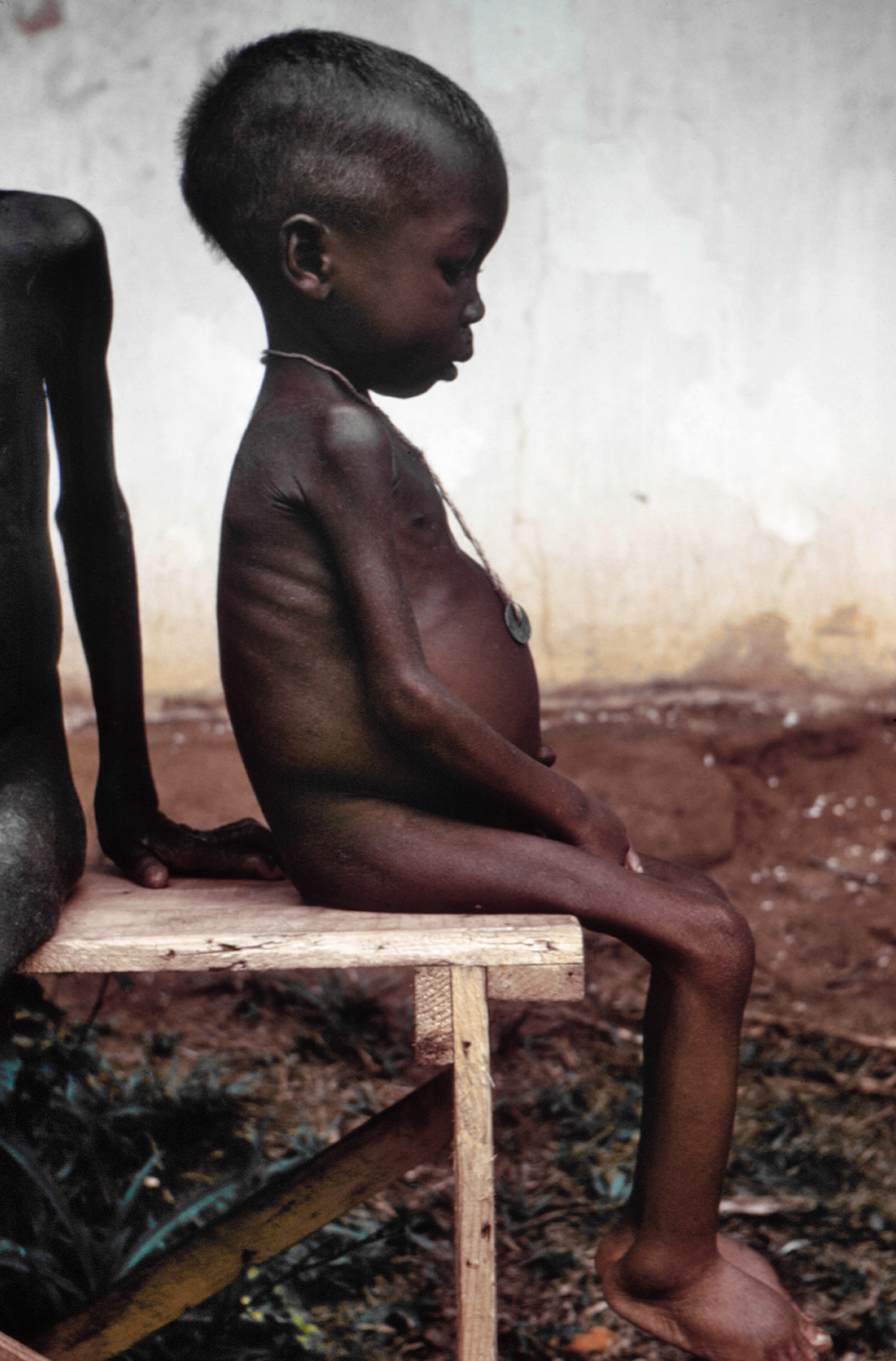
Typical signs of advanced starvation include extreme weight loss, muscle wasting, profound weakness, low body temperature, and cognitive impairment. Other findings can include constipation, edema or a swollen abdomen in conditions like kwashiorkor, hair and skin changes, and emotional instability. Refeeding after a long period of starvation carries the risk of refeeding syndrome — dangerous shifts in fluids and electrolytes that can be life-threatening unless managed carefully.
Causes and contexts
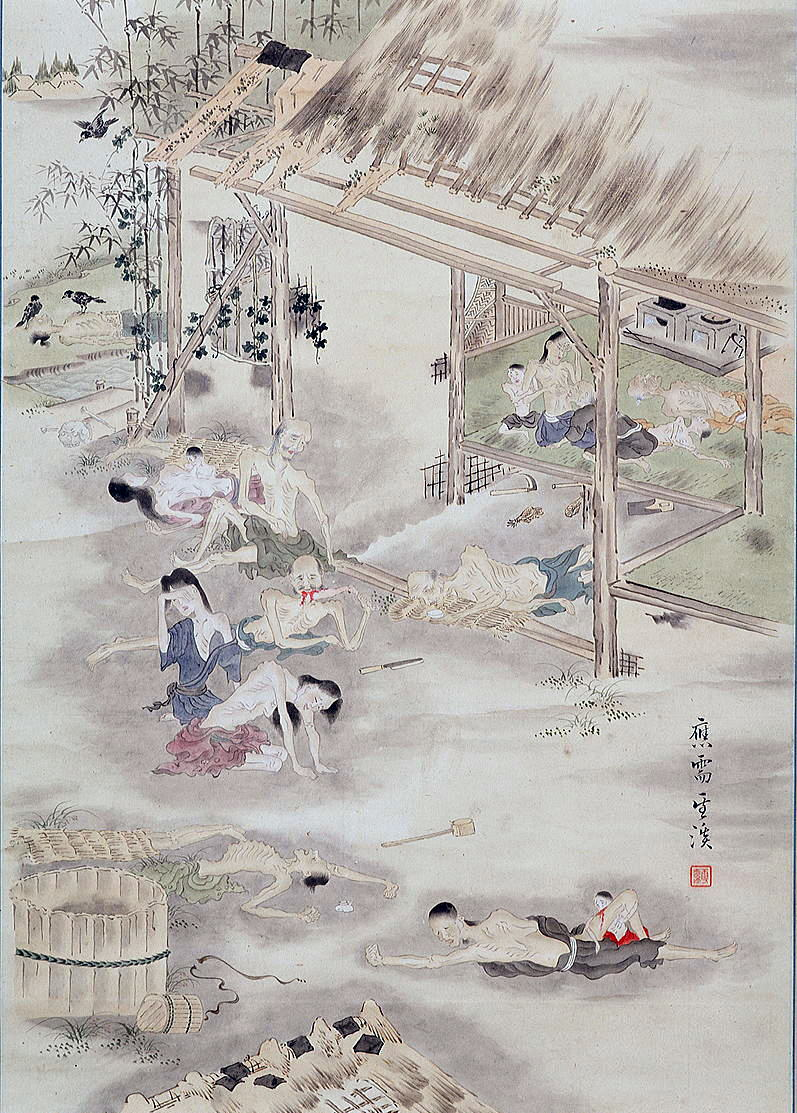
Starvation may arise from lack of available food during famines, sieges, or natural disasters; from poverty and disruption of food systems; or from medical and psychiatric conditions that reduce intake. In some historical and legal contexts, starvation has been used deliberately as a form of punishment or coercion — for example, as an execution method or as part of sieges — see historical accounts of starvation as a penalty or weapon.
History and research
Researchers have studied the effects of semi-starvation to understand physiological changes and to design rehabilitation protocols. A notable example is the Minnesota Starvation Experiment led by Ancel Keys during the 1940s, which examined the physical and psychological effects of prolonged calorie restriction and recovery strategies; the study informed later feeding programs and clinical care for famine survivors. For further reading on that work see Ancel Keys and related studies.
Treatment, recovery, and prevention
Treatment of starvation requires careful medical assessment, correction of dehydration and electrolyte abnormalities, and a staged nutritional plan that avoids rapid overfeeding. Rehabilitation often includes high-protein, nutrient-dense diets, micronutrient supplementation, and gradual reintroduction of calories under medical supervision. Prevention at the population level depends on food security measures: consistent food supply, social safety nets, sanitation, health services, and early detection of eating disorders or illnesses that impair intake.
Importance and distinctions
Starvation differs from malnutrition more broadly: malnutrition encompasses any imbalance in a person’s energy or nutrient intake, including deficiencies of specific vitamins or minerals or excesses of calories. Starvation refers specifically to severe energy deficit. Understanding the biological sequence and social causes of starvation is essential for effective humanitarian response, clinical care, and public health policy.
- Key risks: infection, organ failure, refeeding syndrome.
- Common contexts: famine, displacement, severe eating disorders, punitive captivity.
- Prevention: food security, early medical intervention, social supports.
Because recovery can be slow and some damage may be long-lasting, early recognition and carefully supervised treatment are crucial. If you are concerned that someone is at risk of starvation, seek urgent medical and social assistance.
Related articles
Author
AlegsaOnline.com Starvation: causes, physiology, signs, history, and recovery Leandro Alegsa
URL: https://en.alegsaonline.com/art/93497
Sources
- bbc.com : "The Minnesota starvation experiment"