
Blockade: military, economic and humanitarian dimensions
A blockade is an effort to prevent movement of goods, people or information to a target — most often by surrounding ports or isolating territory. It has military, economic and legal implications.
Overview
A blockade is an intentional action to stop or sharply restrict the movement of supplies, people, weapons or information into or out of a defined area. Historically the term most often describes enemy ships sealing off a port, but it also applies to land sieges, aerial interdiction and broad economic measures that isolate a nation or region.
Image gallery
6 Images



Forms and methods
Blockades take many forms depending on the means used and the objectives sought. Naval blockades prevent maritime trade and resupply; land blockades surround and besiege cities or regions; aerial or no‑fly zones can deny air access; and economic blockades rely on sanctions, trade embargoes or financial controls. All aim to reduce an opponent’s ability to sustain military operations or civilian consumption.
- Naval — interception of ships, mining of approaches, inspection of cargoes.
- Land — cutting roads, surrounding urban areas, controlling borders.
- Economic — trade bans, asset freezes and restrictions on essential imports.
History and notable examples
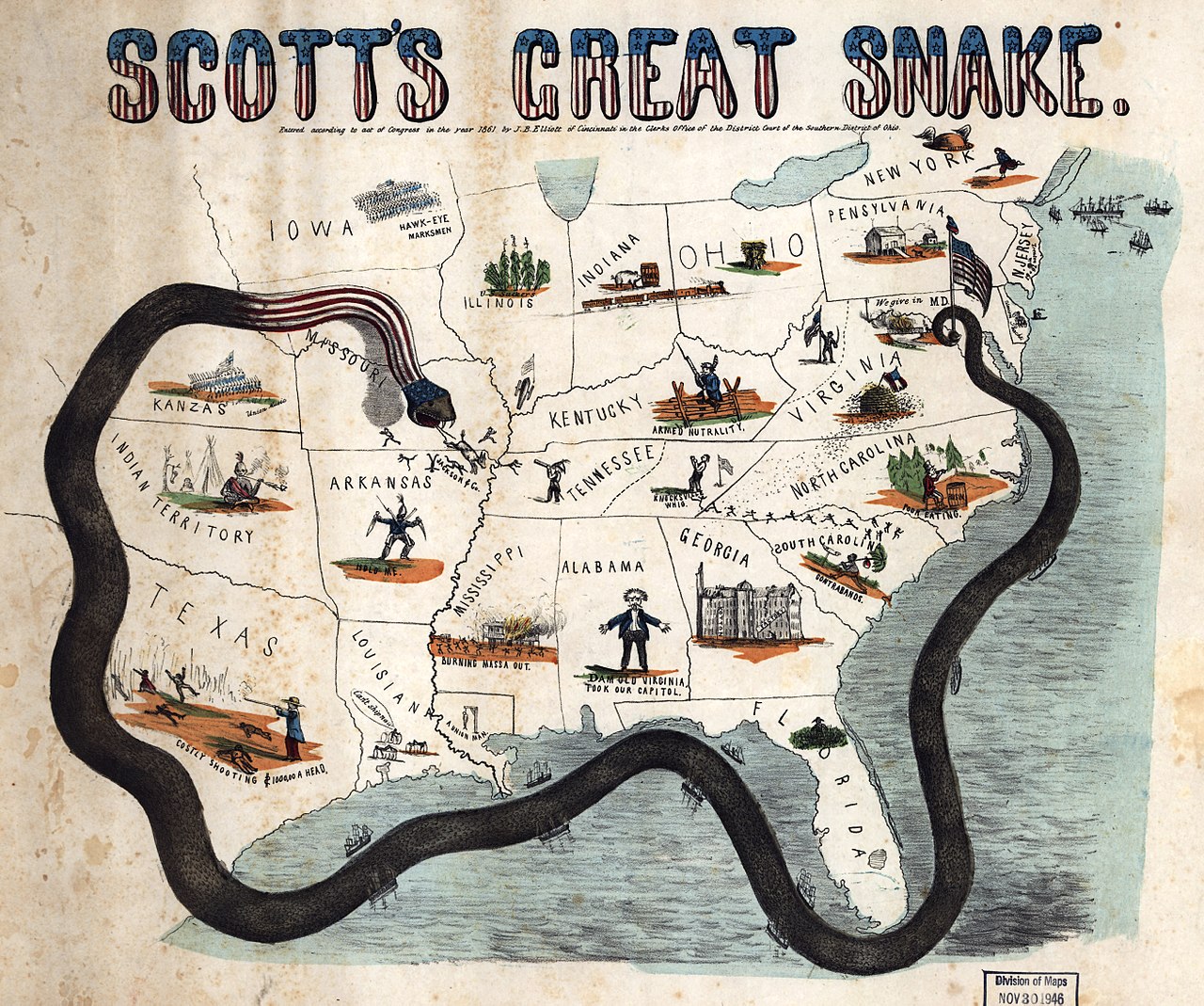
Blockades have ancient roots in siege warfare and have been central to many major conflicts. Naval blockades were a decisive factor in both World Wars and in 19th‑century conflicts; the Union Navy’s blockade of Confederate ports and the Allied effort to limit Axis supplies are commonly cited. During the early Cold War the Soviet land blockade of West Berlin led to a large airlift to sustain the city. Modern practice increasingly combines military interdiction with legal and financial pressure.
Legal and humanitarian limits
Under contemporary international law a blockade in an armed conflict is generally regarded as an act of war and must meet conditions of effectiveness and declaration. It also attracts strict humanitarian constraints: measures that cause starvation or indiscriminately harm civilians are prohibited. Debates over legality and proportionality appear in analysis by courts and international bodies; the International Criminal Court has examined how blockades fit definitions of hostile acts, and scholars often relate these issues to broader rules on sieges and armed campaigns (scholarship on siege law).
Uses, goals and distinctions
States use blockades to weaken an adversary without committing to a full invasion, to coerce political concessions, or to deny strategic resources. A blockade differs from an embargo in that it usually involves physical interference and may be enforced by military means, whereas embargoes are legal trade prohibitions. The effectiveness of a blockade depends on the ability to control approaches, the resilience of the target, and the response of neutral parties and international institutions (military campaigns and economic warfare often intersect).
Contemporary relevance
In the 21st century blockades remain a tool of statecraft and warfare, complicated by global supply chains, legal scrutiny, and humanitarian concerns. They can be imposed multilaterally, unilaterally, or by non‑state actors, and are as likely to involve sanctions and financial measures as physical cordons. Understanding their capabilities and limits is essential for assessing modern conflicts and crisis response.
Questions and answers
Q: What is a blockade?
A: A blockade is a physical blockage of a port or other place, usually used of enemy ships surrounding a port.
Q: What is the purpose of a blockade?
A: The purpose of a blockade is to make sure that supplies, troops, information or aid do not reach an opposing force.
Q: Where are blockades used?
A: Blockades are used in nearly all military campaigns and are the tool of choice for economic warfare on an opposing nation.
Q: Is the International Criminal Court considering blockades as acts of war?
A: Yes, the International Criminal Court planned to include blockades against coasts and ports in its list of acts of war in 2009.
Q: Who uses blockades in military campaigns?
A: Blockades are used in nearly all military campaigns.
Q: What is economic warfare?
A: Economic warfare is a type of warfare that involves using economic means, such as blockades and sanctions, to weaken an enemy's economy.
Q: How are blockades used in economic warfare?
A: Blockades are often the tool of choice for economic warfare on an opposing nation.
Tags
Related articles
Author
AlegsaOnline.com Blockade: military, economic and humanitarian dimensions Leandro Alegsa
URL: https://en.alegsaonline.com/art/12212